
 Ethan Cole

To ensure a comfortable fit, it’s essential to accurately measure your arm circumference. Studies indicate a significant variance in dimensions, with average circumferences hovering around 7.5 to 8.5 inches. This information is crucial when selecting the right accessory, as improper sizing can lead to discomfort or a poor aesthetic.
For optimal selection, consider measuring just above the base of your hand, where the arm meets the palm. Taking this measurement will provide a clearer picture of what sizes to explore. Moreover, various brands may have differing sizing charts, so always refer to specific guidelines for each maker.
Understand the impact of fit on style; an accessory that fits well not only enhances comfort but also perfectly complements your look. Those with broader arms might find larger dials more proportionate, while a slimmer build may suit refined, delicate styles better. Balance is key in creating a visually appealing ensemble.
A Watch Designer Claims That Men Have Wrist Breadths
For a precise fit in timepieces, measuring the circumference of one’s forearm is recommended. The ideal method involves using a flexible measuring tape to assess the area just above the wrist joint. This measurement can guide the selection of band size–typically, sizes range from 7 to 8.5 inches in diameter.
Investigating the average dimensions across various populations reveals that males often exhibit greater forearm girth compared to their counterparts. This factor directly influences the design recommendations for strap width and case size. A broader band of 22 to 24 mm often complements larger builds, ensuring comfort and aesthetic balance.
It’s beneficial to consider the material of the strap. A leather band might adapt better to wider limbs, while a metal option provides sturdiness without sacrificing style. The interplay between material choice and dimensions enhances both usability and visual appeal.
Incorporate adjustable features whenever possible, as they cater to varied sizes and preferences, allowing for a customizable experience. Additionally, tracking trends in wrist proportions can inform future designs and cater to the market’s evolving demands.
Understanding Wrist Breadth Measurements for Men
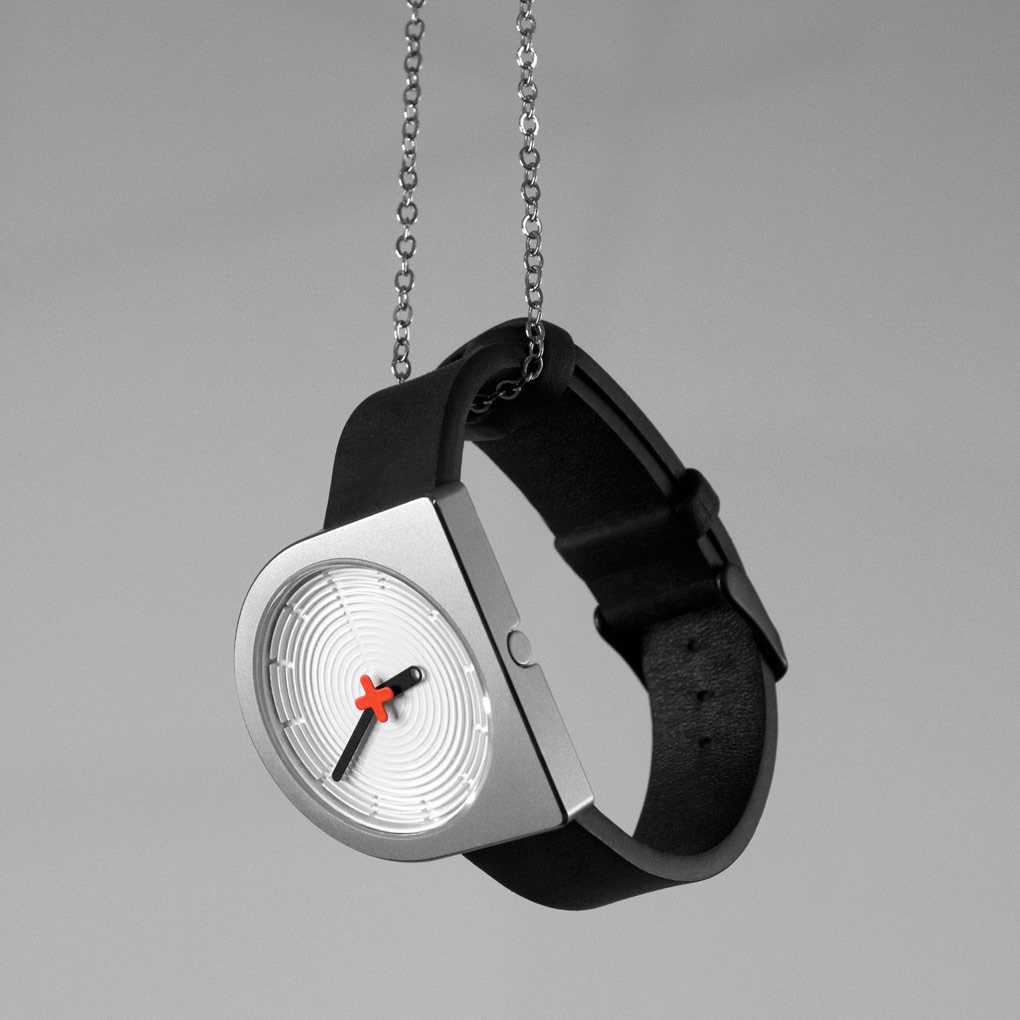
To accurately determine the dimensions of a male’s arm, measure around the most prominent part of the area just above the bone. This should be done with a flexible measuring tape to ensure precision. Aim for a snug fit without constricting circulation.
Typical ranges in size vary, with a narrower build often falling between 5.5 to 6.5 inches, while wider frames can exceed 7 inches. Recognizing these measurements assists in selecting suitable accessories, ensuring proper fitting and comfort.
Consider various factors that can influence sizes, including genetic predispositions and body mass index (BMI). Tracking these metrics can guide personal choices and enhance overall style.
Practical advice would be to measure first thing in the morning when swelling is least likely. Repeat measurements can help confirm accuracy, especially if discrepancies arise or if planning to purchase items online.
Lastly, understanding individual proportions can instill confidence when selecting complementary designs and styles that resonate with personal aesthetic preferences. Adapting to these insights elevates accessory selection beyond mere functionality, merging personal flair with comfort.
Choosing the Right Timepiece Based on Arm Circumference
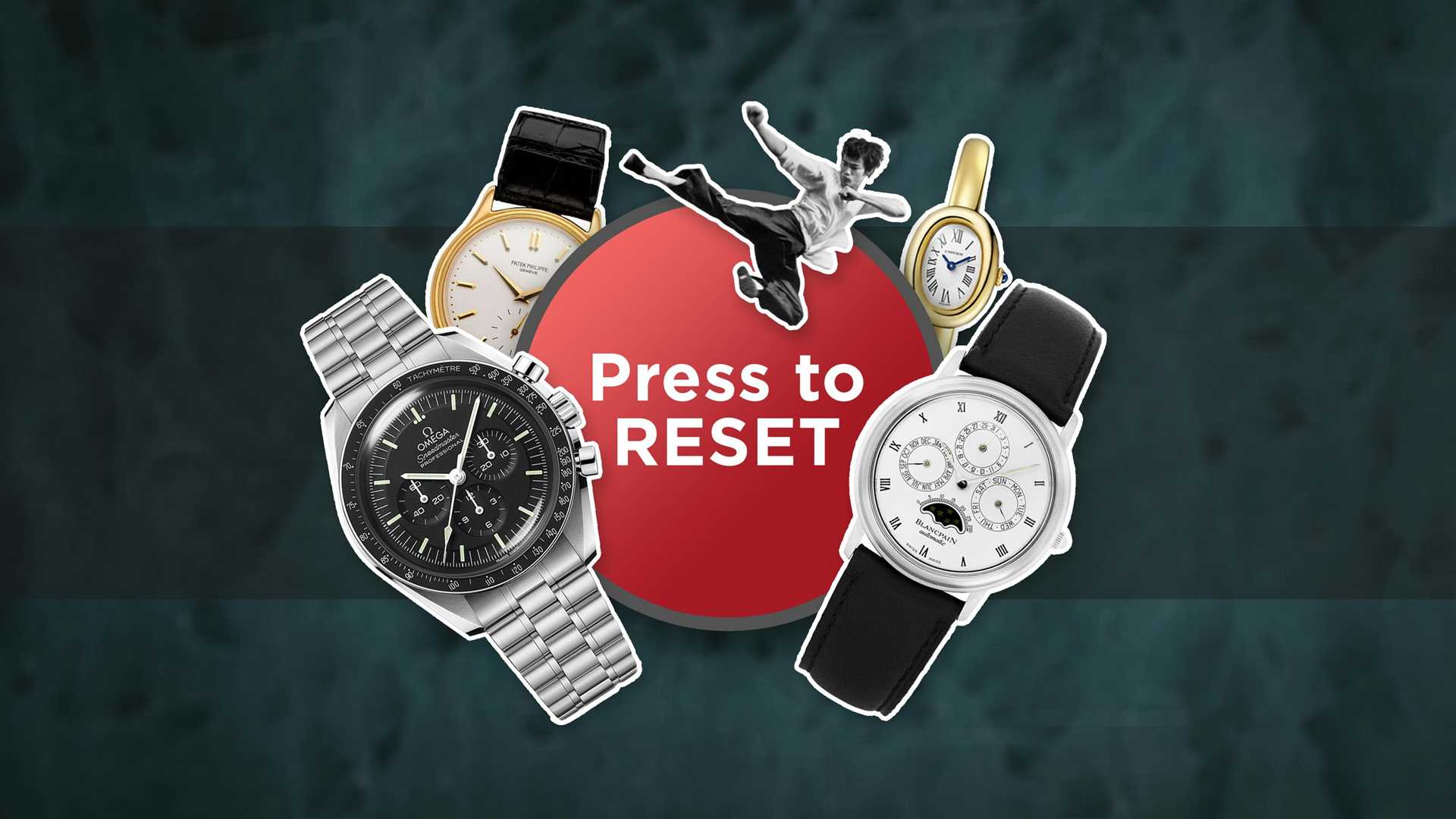
Select a timepiece with a case diameter proportional to your arm dimension. For broad appendages, opt for larger faces (40mm to 46mm) to achieve harmony. A size of 38mm or under complements slimmer builds.
Strap Length and Material
Ensure the strap length accommodates your arm size. Standard straps often range from 7 to 9 inches. Measure your circumference accurately for a perfect fit. Consider materials like leather for elegance or silicone for sports versatility.
Weight and Comfort
The heft of the accessory influences wearability. Lightweight designs suit those seeking daily comfort, while heavier models may appeal to enthusiasts. Always prioritize a fitting feel to avoid discomfort.
Ultimately, assess how the item aligns with both functionality and style, ensuring it enhances your overall appearance and comfort.
Impact of Wrist Size on Watch Design Trends
To tailor styles according to different forearm dimensions, manufacturers focus on proportions, balance, and ergonomics. Larger dimensions tend to accommodate bigger cases, which allows for more intricate dials and features. In contrast, smaller circumferences often result in more minimalist aesthetics, ensuring comfort and practicality without overwhelming the wearer.
Current trends indicate a shift towards personalization, where individuals seek pieces that reflect their physique. Brands are beginning to offer variations where the case diameters and band widths align with specific measurements, enhancing the overall fit and appeal. This approach not only caters to aesthetic preferences but also promotes wearability, allowing each piece to feel bespoke.
Material selection also plays a role in design trends. For broader grips, robust materials such as stainless steel are frequently utilized, reflecting strength and durability. Conversely, lightweight options such as titanium or ceramic gain traction for smaller sizes, providing a sense of comfort and ease of wear.
Lastly, color palettes and finishing techniques are evolving alongside physical characteristics. Darker tones and bold accents are prominent in larger sizes, while softer hues and intricate details are favored for daintier structures. This balance fosters a diverse selection that appeals to varied tastes and dimensions, ultimately driving style preferences in today’s market.
Common Misconceptions About Men’s Wrist Sizes
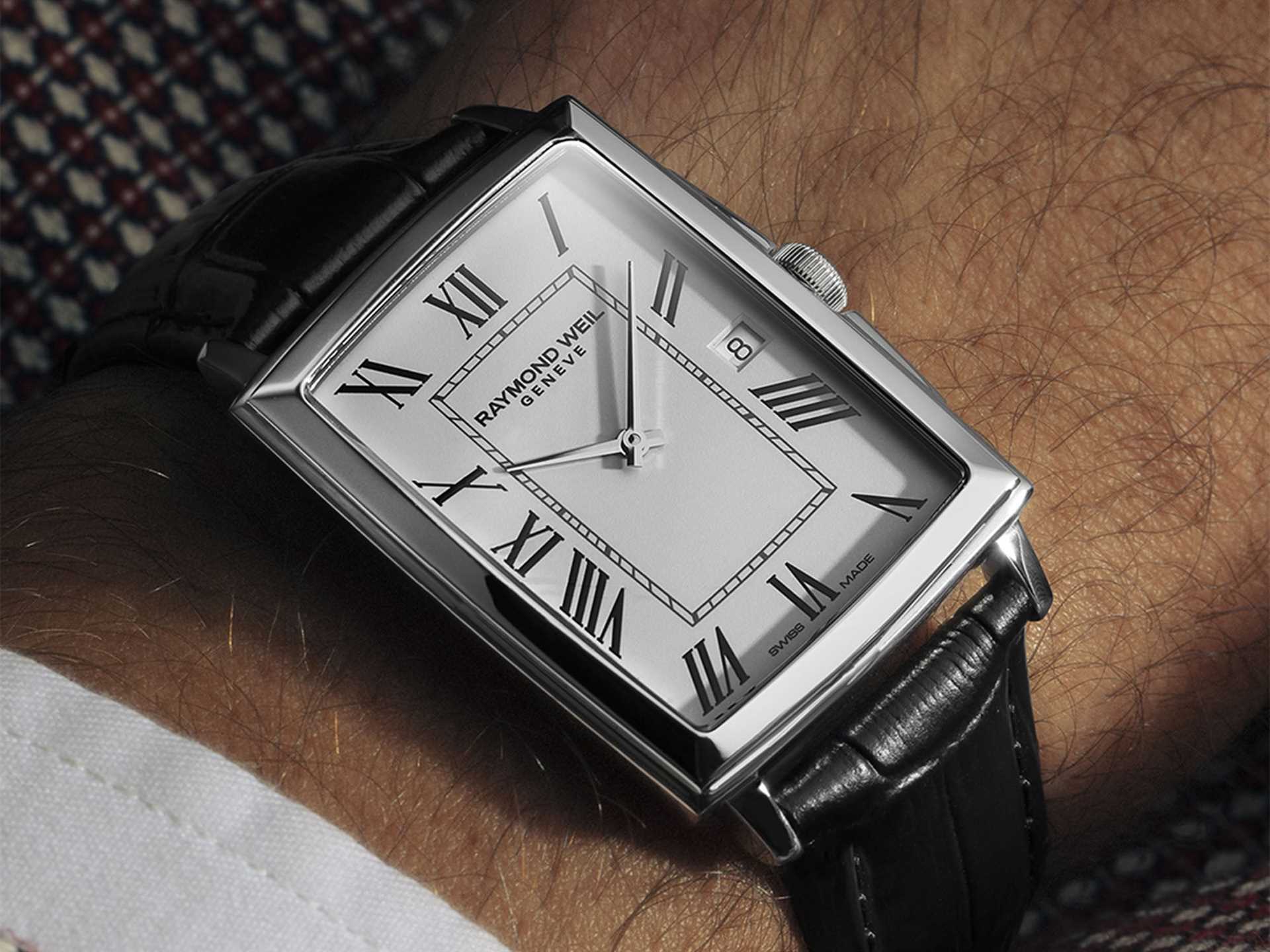
Understanding measurements for forearm circumferences can lead to more informed choices regarding timepieces. Several misconceptions exist in this area:
- One Size Fits All: Many assume that one standard size will suit everyone. In reality, variations exist based on body type, lifestyle, and fashion preferences.
- Only Large Sizes are Masculine: A prevalent myth suggests that larger sizes are the only option for achieving a robust appearance. However, smaller circumferences can also convey elegance and style.
- Weight Influence: Some believe that heavier individuals automatically possess larger dimensions. Size is influenced by many factors, including genetics, not just body mass.
- Age Correlation: It is often thought that older individuals have larger measurements. Age can affect physical traits, but not universally–many younger individuals have substantial circumferences.
- Generic Sizing: Many think store-bought solutions cater broadly without considering characteristics. Custom or adjustable options often yield better comfort and aesthetics.
In essence, a nuanced understanding of these misconceptions allows for smarter selections. Instead of adhering to stereotypes, individuals should assess their unique dimensions and preferences when choosing accessories.
How to Measure Your Wrist for a Perfect Watch Fit
To achieve an ideal fit, take a flexible measuring tape and wrap it around your forearm just above the bone. Make sure to keep it snug but not tight, as comfort is key. Read the measurement in centimeters or inches and note it down.
Measurement Tips
1. For accuracy, consider measuring at different times of the day, as arm size may vary slightly.
2. If using a piece of string, mark the point where it overlaps, then measure that length with a ruler.
Choosing the Correct Size
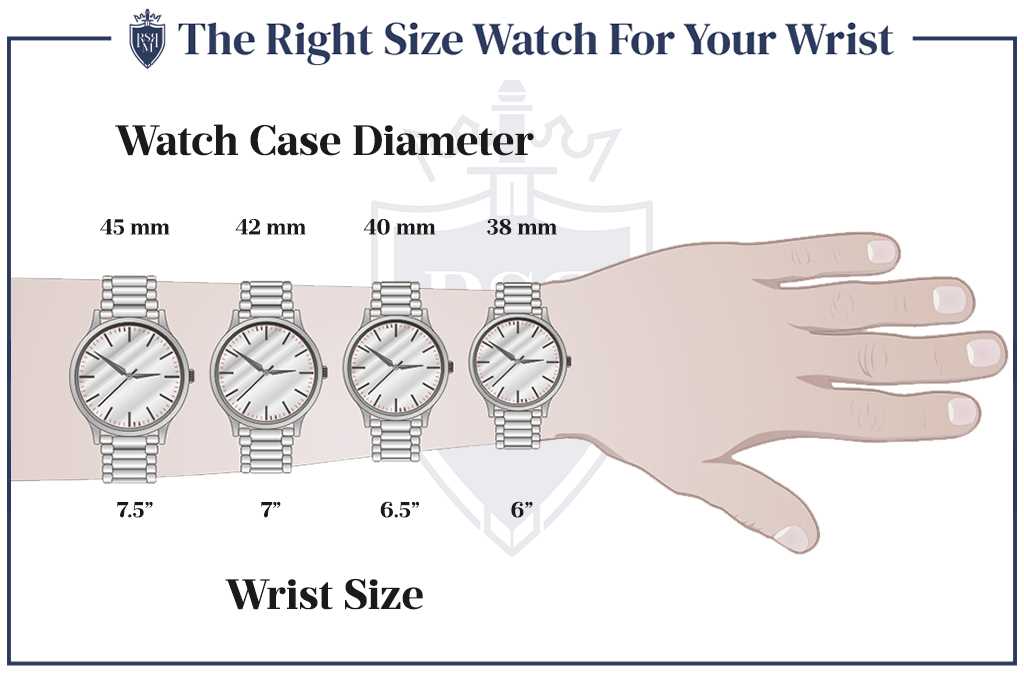
Below is a guide to help with selecting the appropriate dimension based on your measurement:
| Size Category | Wrist Measurement (inches) | Recommended Style |
|---|---|---|
| Small | 5.5 – 6.5 | Thin bands, minimalist styles |
| Medium | 6.5 – 7.5 | Classic designs, versatile options |
| Large | 7.5 – 8.5 | Chunky styles, sport models |
| Extra Large | 8.5+ | Oversized designs, bold pieces |
Choose styles that complement the specific dimensions. This impact improves both aesthetics and comfort during wear.



