
 Ethan Cole

Absolutely, pairing a timekeeping device on the wrist with one carried in a pocket can create a unique and stylish look. Consider coordinating styles and materials for a cohesive statement, enhancing the overall aesthetic. A sleek stainless steel model combined with a vintage-inspired pocket counterpart can showcase personal style while remaining functional.
Prioritize practicality alongside appearance. Ensure that the two devices serve distinct purposes–one for immediate reference and the other for a more sophisticated touch. This combination not only provides versatility but also reflects a deeper appreciation for horology. Opt for contrasting designs, perhaps a modern digital alternative on the wrist and a classic mechanical piece in the pocket, to create visual interest.


When selecting pieces, be mindful of occasions. Formal events may favor more elegant styles, while casual settings allow for playful combinations. Ultimately, the key lies in personal expression and confidence in one’s choices. Whether the goal is to make a fashion statement or celebrate the craftsmanship of different timekeeping methods, blending both styles can yield striking results.
Using a Timepiece on the Wrist and a Timepiece in the Pocket
Combining a timekeeper on the arm and another in the pocket is not only acceptable but can also be a stylish choice. This allows for versatility in expression and functionality. Here are a few guidelines to keep in mind:
- Style Coordination: Ensure that both pieces complement each other in design and color. This creates a cohesive aesthetic.
- Occasion Suitability: Consider the setting. A formal event may call for a vintage piece in the pocket alongside a classic arm-mounted timepiece.
- Comfort Factor: Balance the weight and size of both items. A minimalist design may be preferable to avoid discomfort.
- Functionality: Use each timekeeper for different purposes. One may serve as a primary device for scheduling, while the other can add a decorative touch or act as a backup.
- Personal Expression: Incorporate unique items that reflect individual style or interests, enhancing overall personal branding.
Ultimately, combining both types of timekeepers allows for a unique opportunity to showcase personal flair while ensuring practicality and functionality in everyday life.
Understanding the Aesthetic Compatibility
The combination of a timepiece worn on the wrist alongside a fob timepiece can create a distinctive and sophisticated look. To achieve this balance, consider the following points:
- <strong.Style Harmony: Choose pieces that share a similar aesthetic. For instance, if the wrist accessory features a vintage design, opt for a pocket item with complementary detailing.
- <strong.Color Coordination: Ensure the tones of both pieces align. A matching metal finish, such as gold or silver, enhances visual cohesion.
- <strong.Size Balance: Consider scale. A robust wrist piece may overwhelm a delicate fob, so select sizes that complement each other.
- <strong.Material Compatibility: Pair materials thoughtfully. Mixing leather with leather or metal with metal can create a unified appearance.
- <strong.Style Context: Assess the overall outfit. Formal or casual ensembles can dictate which timepieces are more appropriate; adjust choices accordingly.
Maintaining a stylish appearance while sporting both pieces is achievable by prioritizing these elements, ensuring a polished and intentional look.
Factors to Consider for Daily Wear
Prioritize comfort when selecting timepieces for daily usage. Ensure both pieces fit securely without causing irritation or hindrance in everyday activities.
Assess the combination of styles. A vintage pocket timepiece may not pair well with a modern arm accessory. Aim for thematic cohesion; consider materials, colors, and design elements for a unified look.
Activity Level
Evaluate daily routines. For casual outings, having both accessories can add a unique flair. However, during physical activities or professional settings, simplifying to one option may be advisable.
Personal Preference
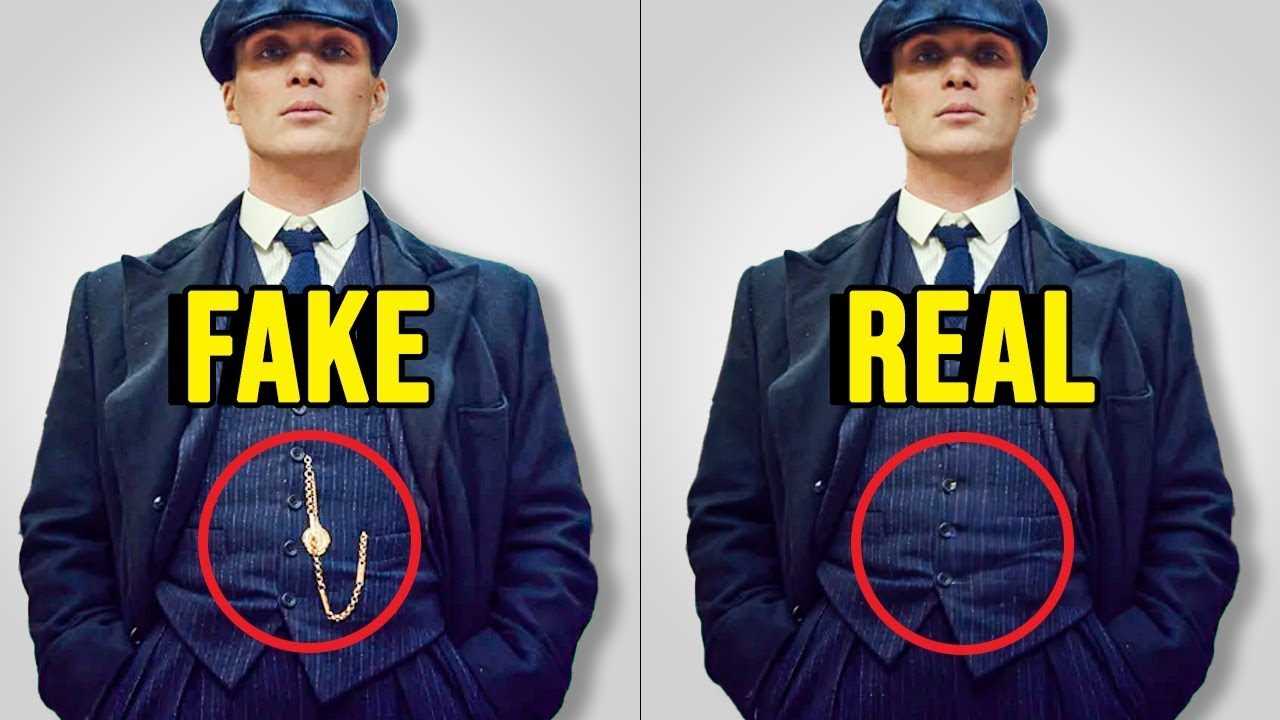
Reflect on personal style. Choose pieces that resonate with individual aesthetics. Whether classic or contemporary, ensure both options align with personal identity and statement preferences.
Consider occasions; formal events may call for a more distinguished piece over a more casual counterpart. This ensures the overall ensemble conveys the intended message.
Lastly, maintenance is essential. Regular upkeep of both timepieces ensures longevity and functionality. Choose pieces that allow for easy repairs or servicing to avoid disruptions in daily use.
How to Choose the Right Occasion
Selecting the appropriate moment for each type of timepiece enhances both functionality and style. Formal events, such as weddings or business meetings, suit elegant designs with classic aesthetics, favoring a sophisticated pocket device over a sporty counterpart.
Casual gatherings or outdoor activities may benefit from a robust tool that complements an informal ensemble. In these instances, a versatile modern wrist accessory aligns well with relaxed themes, showcasing practicality without sacrificing appearance.
Fashion-forward affairs offer an opportunity for personal expression. Mixing ornate pocket models with trendsetting attire adds individuality, while minimalist wrist styles can underscore contemporary fashion sensibilities.
Private dinners or intimate celebrations allow for playful combinations. Combining a smart yet understated wrist unit with a vintage pocket piece can create an eclectic look, reflecting personal taste and style.
To summarize, aligning the choice of time apparatus with the occasion involves blending personal preference, event formality, and attire type. Properly evaluating these aspects can lead to a cohesive and thoughtful presentation.
| Occasion | Recommended Style | Notes |
|---|---|---|
| Wedding | Elegant pocket timepiece | Classic design enhances formal attire |
| Business Meeting | Formal wrist accessory | Subtle yet sophisticated |
| Outdoor Activities | Sporty wrist model | Focus on durability and comfort |
| Casual Gatherings | Stylish wrist piece | Casual yet trendy |
| Fashion Events | Ornate pocket device | Allows for personal flair |
| Private Dinner | Combination of styles | Mix vintage and modern |
Practical Tips for Layering Timepieces
For optimal layering, select designs that complement each other. A minimalist wrist accessory pairs well with a vintage chain timepiece. Consider materials; metal and leather can create visual harmony when thoughtfully combined.
Choosing Color Palettes
Coordinate colors for a cohesive look. Neutral shades or complementary hues between the two pieces can enhance the overall aesthetic. Avoid clashing tones to prevent distraction from the jewelry.
Balancing Sizes and Shapes
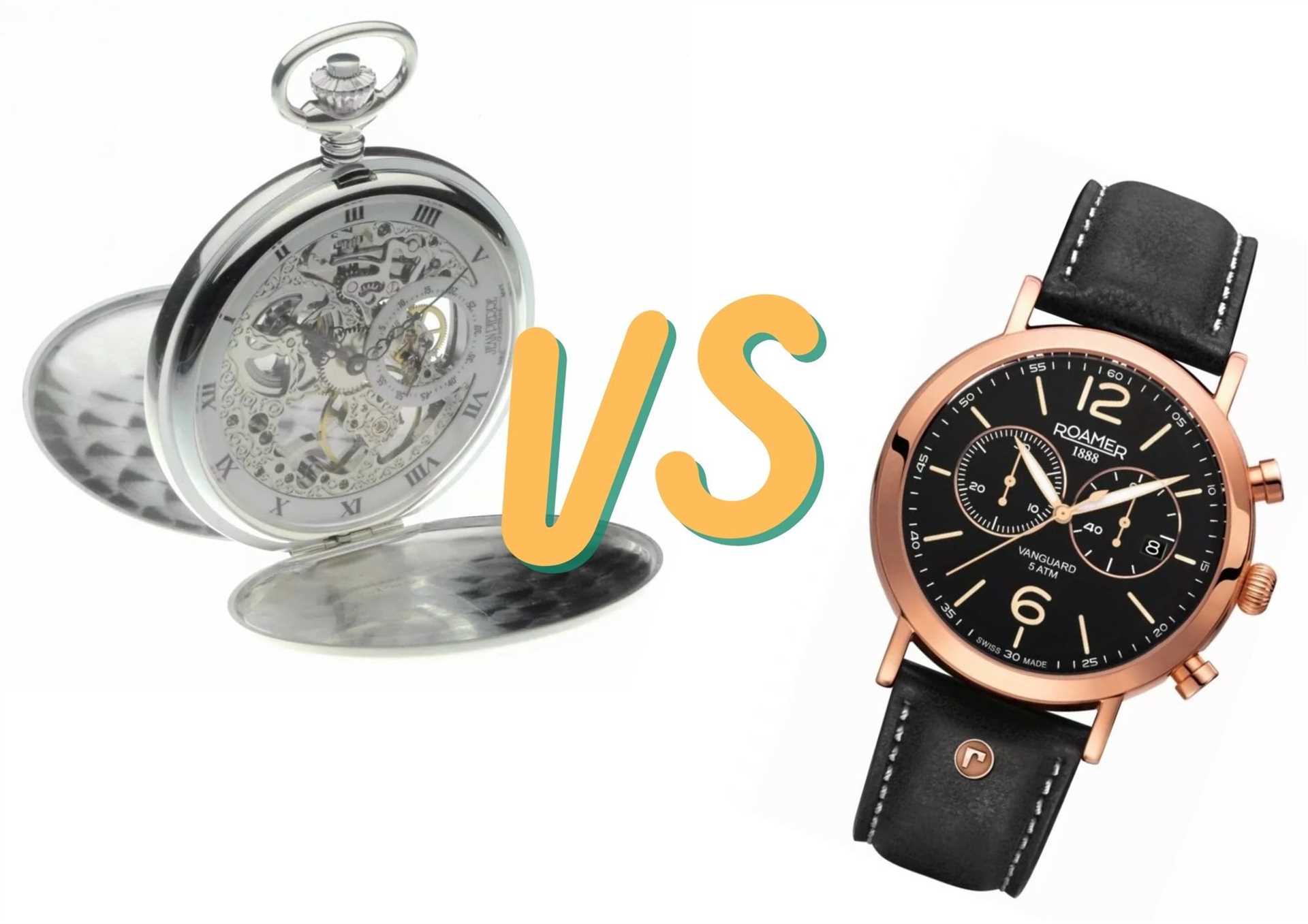
Mix sizes wisely; a larger face can be juxtaposed with a smaller one to create visual interest. Ensure that the shapes of each piece do not compete – round dials can mesh well with rectangular designs, but avoid pairing pieces of similar prominence to maintain balance.
Historical Context and Modern Trends
Observing a timepiece on both wrist and pocket speaks volumes about one’s personal style and appreciation for horological heritage. Historically, the transition from pocket to wrist pieces marked a significant shift in functionality and fashion. Pocket models dominated the market until the early 20th century, when military influences necessitated hands-free options, leading to the rise of wrist designs.
Modern fashion embraces this duality, seeing timepieces as accessories rather than mere tools. Many enthusiasts curate collections that highlight craftsmanship, with layered uses reflecting both practicality and artistic expression. Mixing historical styles with contemporary aesthetics fosters unique looks and symbolizes a rich narrative in personal attire.
Current trends favor versatility; layering styles from different eras enhances individuality. Choose pieces that resonate with specific outfits or occasions, allowing each timepiece to complement rather than overwhelm. Such combinations celebrate both modernity and tradition, showcasing the evolution of craftsmanship over time.
Understanding key brands and their iconic models will aid in making informed choices that resonate with personal taste. Classic designs often find synergy with contemporary innovations, creating a harmonious bond between past and present. Consider each selection not purely for timekeeping, but as an expression of identity that weaves together history and modern sensibility.


