
 Ethan Cole

To maximize your profits in the market for timeless timepieces, focus on the *brand reputation* and *model rarity*. Authenticity is key; examine the serial and model numbers, ensuring they match manufacturer records. In addition, pay attention to the *condition*–original parts and servicing history significantly enhance value.
Make use of reputable resources like *specialty catalogs* and *expert websites*. Gather comprehensive information on distinctive features, such as *dial variations* and *case materials*, which can indicate a piece’s worth. Consult forums dedicated to collectors for *market trends* and *buyer interests*, allowing you to make informed purchasing decisions.
Networking with seasoned collectors can provide insights into underrated models that may yield high returns. Attend exhibitions and auctions to familiarize yourself with the nuances of high-demand pieces. By understanding the intricacies of the market, you can strategically buy, hold, and sell, ensuring you optimize your investment in these remarkable artifacts.


A Guide for Recognizing Classic Timepieces for Profit
Begin your assessment with a focus on the timepiece’s brand. Established names like Rolex, Omega, and Patek Philippe carry a reputation that significantly affects resale value. Cross-reference with market trends to gauge demand for specific models.
Inspect the case material. Stainless steel often holds value better than gold or plated options, particularly in sought-after styles. Pay attention to condition; scratches, dents, and wear impact desirability and pricing significantly.
Verify the movement type. Mechanical movements tend to attract collectors more than quartz variants, enhancing your potential profit margin. Research specific calibers; some may be rarer and hence more valuable.
Documentation enhances appeal. Original papers and boxes can inflate value considerably. Always confirm their authenticity, as reproductions can mislead buyers.
Study the dial design closely. Certain color combinations and limited editions resonate with enthusiasts, driving interest and price. Correlate details like logo placement and typography with recognized references.
Stay updated on auction results and resale platforms. Observe how similar models are priced to establish competitive yet realistic expectations. Knowledge of recent sales can inform your pricing strategy effectively.
Network with fellow collectors and sellers. Engaging in discussions can provide insights on emerging trends and market shifts that might affect your inventory’s value.
Understanding Watch Terminology for Better Identification
Familiarity with terminology enhances accuracy in recognizing timepieces. Focus on key terms: movement, case, bezel, dial, and hands. Each component carries significance for valuation and authenticity.
Movement
Movement refers to the mechanism that powers the timepiece. Types include manual, automatic, and quartz. Manual movements require winding, while automatic ones self-wind through wrist motion. Quartz utilizes a battery and is known for precision. Identifying movement type can influence desirability and market value.
Case and Bezel
The case protects inner components and affects aesthetics. Materials like stainless steel, gold, and titanium each have distinct appeal. Bezel refers to the ring surrounding the crystal, which can be fixed or rotating, playing a role in functionality and style. Assessing these parts contributes to an informed evaluation.
Pay attention to the dial layout and markings, which offer insights into model history and production period. Subdials, date windows, and brand insignia are crucial for accurate appraisal.
Finally, details such as the crown, which controls winding and time-setting, and the type of crystal–such as mineral, sapphire, or acrylic–add to the overall understanding and potential assessment of the piece distinctively.
Key Attributes to Examine in Classic Timepieces
Focus on the movement type first. Mechanical movements, either manual or automatic, are favored for their craftsmanship. Assess the brand; renowned manufacturers typically guarantee quality and higher resale potential. Documentation is crucial; original papers and boxes enhance value significantly.
Condition and Authenticity
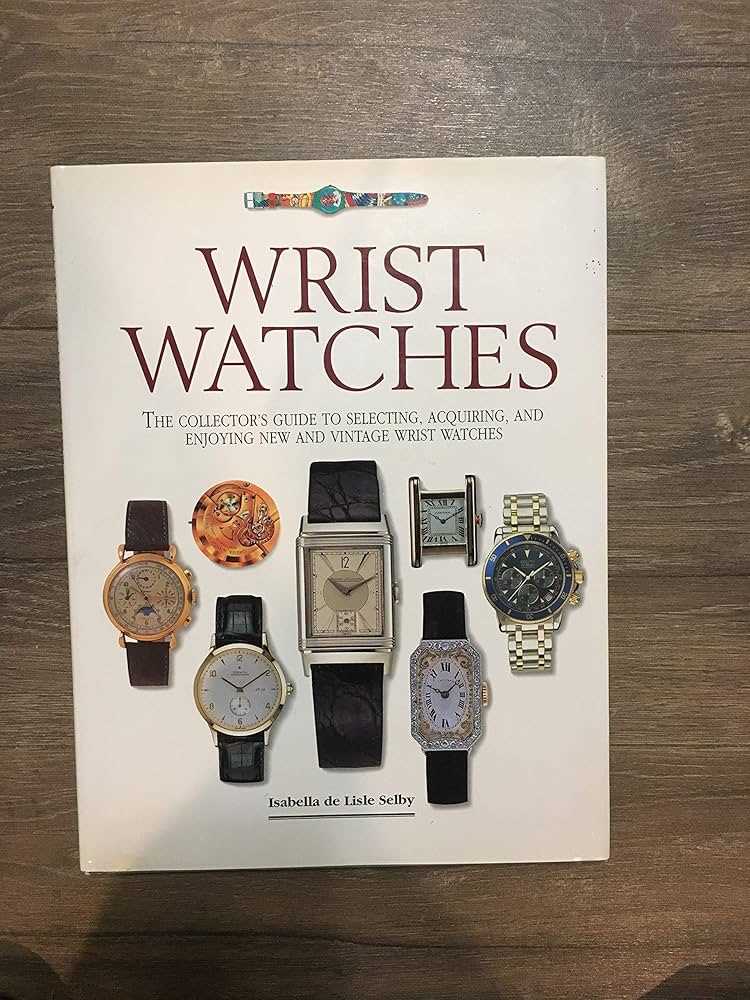
Meticulously inspect for signs of wear. Scratches on the crystal, case damage, or uneven patina can affect desirability. Each part must be genuine; replacement components can diminish value. Seek professional appraisal if uncertainty arises regarding authenticity.
Design Characteristics
Evaluate distinctive features such as crown shape, dial configuration, and lettering fonts. Limited editions or models with unique complications naturally attract collectors. Familiarize with specific design elements that define particular eras or manufacturers.
| Attribute | Significance |
|---|---|
| Movement Type | Indicates craftsmanship and reliability |
| Brand Reputation | Assures quality and potential value |
| Condition | Affects marketability and price |
| Authenticity | Ensures integrity and value preservation |
| Design Features | Attracts collectors based on uniqueness |
Evaluating Watch Condition and Its Impact on Value
Assess the movement accuracy first. A well-maintained mechanism that runs within +/- 5 seconds daily is desirable. Delve into the internal components: a serviced movement enhances both longevity and market appeal.
Examine the casing for scratches, dents, or corrosion. A pristine exterior significantly boosts value while signs of wear can decrease it. Microscopic analysis may reveal restorations that could affect authenticity.
Inspect the crystal; a flawless lens enhances clarity and visual appeal. Cracks or heavy scratching detracts from the overall condition. Replacement with original components is preferable to maintain authenticity.
Check the dial for color fading or damage. An untouched dial typically garners higher interest than one that has been repainted or altered. Accurate markings and logos are essential for verifying authenticity.
Evaluate the bracelet or strap. Original parts are more sought after; worn or after-market versions can diminish the timepiece’s allure. Ensure proper links or segments are intact corresponding to the original design.
Documentation influences perceived value significantly. Papers confirming service history or authentication can justify a higher asking price. Missing boxes or manuals may reduce desirability.
Lastly, consider the overall aesthetic of the timepiece. An item that presents well, combining historical significance with excellent condition, will attract more potential buyers, ensuring a more favorable resale outcome.
Researching Brand History and Rarity Factors
Investigate the origins of the brand to gain insights into its prestige and market position. Brands like Rolex, Patek Philippe, and Omega have rich histories that contribute to their desirability. Read about significant milestones, innovations, and shifts in ownership. Understanding a brand’s chronological development can reveal which models are more sought after.
Examine production volumes and specific model releases. Limited editions or discontinued lines often command higher prices due to scarcity. Research sales data and auction results to gauge what collectors are willing to pay. Cross-reference online marketplaces to identify patterns in pricing and demand.
Delve into the impact of specific features on rarity. Certain materials, watch complications, or unique design elements can enhance a piece’s value. For example, watches featuring unusual dial colors or rare movement types can attract attention from niche collectors.
Look into brand collaborations or associations with prominent figures, which can elevate a model’s status. Limited partnership runs often introduce an element of exclusivity that drives up interest and resale potential.
Engage with online communities and forums dedicated to horology. Members often share valuable insights about brand histories and rarity. Participate actively to expand your knowledge and discover trends before they become mainstream.
Effective Pricing Strategies for Reselling Antique Timepieces
Begin with extensive market research to gauge the selling price of similar models. Utilize platforms like Chrono24, eBay, or specialized auction houses to compare listings and sold prices.
Consider General Pricing Guidelines
- Assess the model’s demand. Popular models may warrant a higher price.
- Factor in materials used, such as gold or stainless steel, which influence market value.
- Evaluate the watch’s age; older pieces often appeal more, but condition and functionality remain key.
Advanced Techniques for Price Adjustment
- Monitor trends in the collector community. Price adjustments may be necessary based on seasonal shifts or fashion influences.
- Implement a psychological pricing strategy, such as pricing just below a round number (e.g., $999 instead of $1000) to create allure.
- Set an auction starting price strategically low to encourage bidding, which can drive up the ultimate sale price.
Lastly, be prepared to negotiate. Know your lowest acceptable price, but remain flexible to close the sale, ensuring a profit margin while appealing to buyers’ emotions and desires.
Where to Find and Purchase Timepieces for Reselling
Explore estate sales and auctions for unique finds, as they often feature rare items not commonly available in mainstream markets. An online auction platform can also offer extensive listings from various sellers, increasing the chances of stumbling upon a hidden jewel.
Check specialized shops that focus on pre-owned accessories. These establishments frequently curate collections with an emphasis on quality and authenticity, making them reliable sources.
Networking in Collector Communities
Engage with watch enthusiast groups on social media. Platforms like Instagram and Facebook host communities where members share tips, and you might catch wind of sales or trade opportunities. Attending collector meet-ups or forums can also be beneficial for direct purchases and build connections with fellow aficionados.
Online Marketplaces and Classifieds
Utilize websites dedicated to second-hand luxury items. These platforms usually include seller ratings and item histories, allowing for informed decisions. Be mindful of local classified ads; sometimes, gems are hidden in plain sight, with sellers eager to part with their pieces at favorable rates.



