
 Ethan Cole

Yes, many timepiece straps can be swapped with ease; however, compatibility depends on several factors. The first thing to consider is the width of the connection points, typically measured in millimeters. Standard widths include 18mm, 20mm, and 22mm, so ensure your new strap matches your timepiece’s specifications.
Next, pay attention to the type of attachment mechanism. While spring bars are most common, some models utilize unique systems like quick-release pins or screw-in setups. These mechanisms can influence the ease of changing your current strap and the selection of new options available to you.
Material also plays a critical role. Leather, metal, silicone, and fabric each offer different aesthetics and comfort levels, making the choice of replacement not only a matter of fit but also of personal style and occasion. Always check the manufacturer’s guidelines for material compatibility to avoid damaging both the new strap and your timepiece.
Consider how often you plan to change your strap. A versatile design that complements various styles can enhance your collection significantly. While experimenting, always handle your timepiece with care to maintain its integrity.
Wrist Accessories Compatibility
Most wrist accessories can be swapped, given certain criteria are met. Key factors include lug width, attachment mechanisms, and materials. Identifying these elements ensures proper fitting.


Lug Width
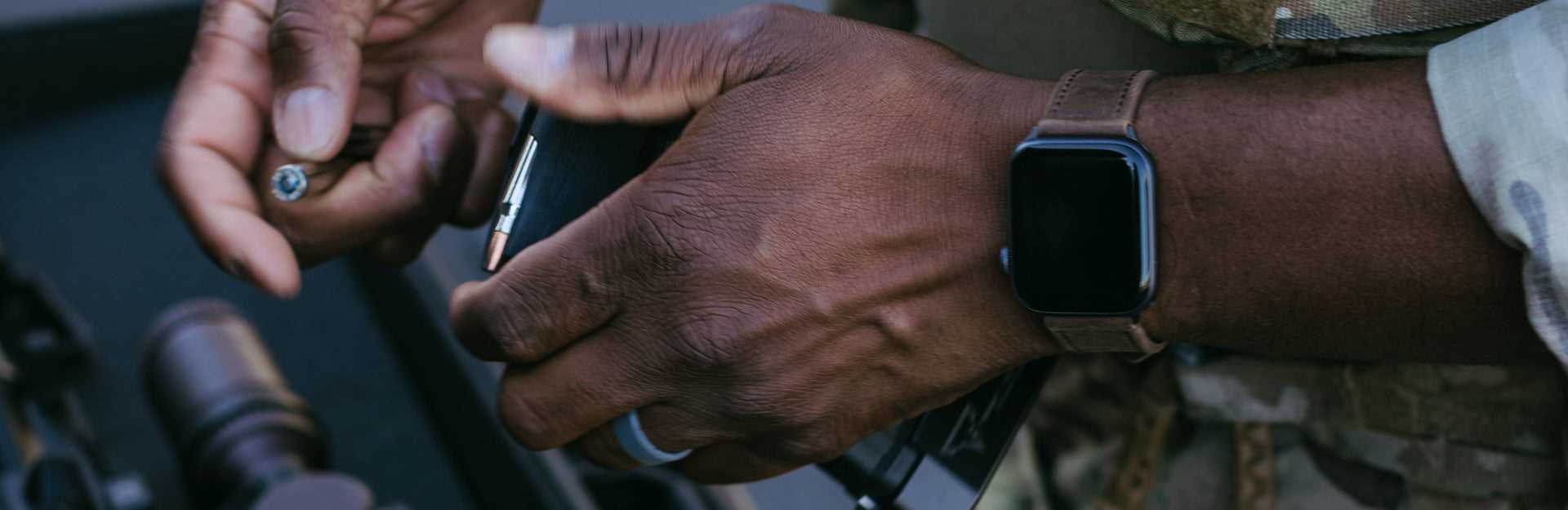
Lug width refers to the space between the attachment points on either side of the timepiece. Common widths include:
- 18mm
- 20mm
- 22mm
Select alternatives that match the width to maintain stability and functionality.
Attachment Mechanisms
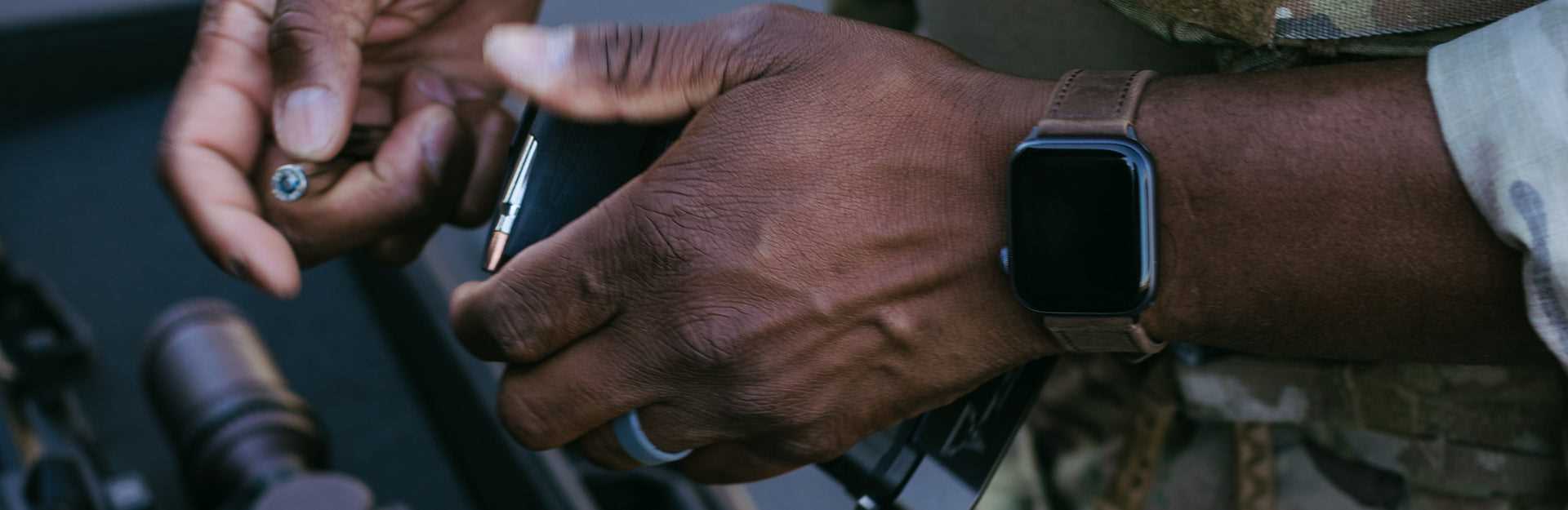
Pay attention to how accessories attach to the timepiece. Common systems include:
- Spring bars
- Quick-release pins
- Integrated designs
Choose replacements that feature compatible systems for seamless exchange.
Lastly, consider materials. Leather, metal, and synthetic options provide varied aesthetics and durability. Select wisely based on personal style and comfort for optimal results.
Understanding Different Watch Band Types
To ensure a seamless fit, identify the lug width of your timepiece before purchasing any new strap. This measurement, typically in millimeters, determines compatibility with various attachment systems.
Types of Straps
Leather options offer a classic aesthetic, ideal for formal occasions. Various finishes, including smooth, textured, or distressed, enhance their versatility. Consider water resistance and maintenance needs for longevity.
Metal alternatives, such as stainless steel or titanium, provide durability and a sleek look. Bracelets come in different link styles, including mesh and solid, catering to personal taste. Adjustability is essential for optimal comfort.
Soft Materials
Fabric selections, like nylon or canvas, are excellent for casual wear. Their breathability and lightweight features make them suitable for outdoor activities. Look for options with quick-dry capabilities for convenience.
Silicone and rubber versions are popular for sports enthusiasts due to their resistance to moisture and sweat. These flexible choices are easy to clean and can withstand rigorous movement, making them practical for active lifestyles.
Always verify attachment mechanisms, such as spring bars or quick-release designs, to facilitate efficient swapping of different options and ensure a secure connection during wear.
How to Determine Your Watch Band Size
To accurately find the size of your timepiece’s strap, measure the distance between the lugs, where the attachment takes place. This dimension is crucial for selecting a compatible replacement. Typically, it’s expressed in millimeters. Use a caliper for precision, or a ruler if a caliper isn’t available.
Step-by-Step Measurement
1. Place the caliper or ruler flat against the lugs. Ensure it’s aligned with the mounting holes.
2. Record the measurement, noting the millimeter reading.
3. For those with an existing strap, you can also check for numbers indicating the width, often found on the underside.
Choosing a New Strap
Consider the style and material of the new accessory. Classic leather, sporty silicone, or metal link options vary in width and attachment style, impacting fit and comfort. Ensure you choose one that aligns with the determined size for an optimal match.
Matching Bands with Watch Case Design
Selecting a suitable strap that complements the timepiece’s case design can elevate your overall style. Consider the following guidelines:
- <strong.Material Matching: Choose materials that harmonize with the watch case finish. A metal timepiece pairs well with leather or metal straps, while a plastic or resin case might suit silicone or fabric alternatives.
- <strong.Color Coordination: Align the color palette of the band with the watch case. Neutral colors like black, brown, or silver provide versatility, while vibrant shades can reflect a playful personality.
- <strong.Shape Compatibility: Consider the case shape. Round cases often suit rounded bands, while square or rectangular cases look better with flat, structured designs.
- <strong.Style Consistency: Ensure the band style reflects the case design. Sports models may work well with casual straps, while classic styles benefit from elegant leather or metal options.
- <strong.Diameter and Width: The lug width is crucial; measure appropriately to ensure a snug fit. A band too wide or too narrow can disrupt the visual balance.
By applying these principles, you can seamlessly integrate the strap with the case design, creating a cohesive and stylish appearance for your wrist accessory.
Tools Required for Band Replacement
To successfully replace your timepiece’s strap, several tools are recommended to facilitate the process seamlessly. These instruments will assist in ensuring that the new strap is fitted correctly, maintaining the integrity of your timekeeper.
| Tool | Description |
|---|---|
| Spring Bar Tool | A double-ended tool with a forked end designed to compress the spring bars, making it easier to detach or attach the strap to the case. |
| Pin Punch | Used for removing pins that hold the strap in place, if applicable. This is helpful for certain models that utilize solid pins instead of spring bars. |
| Screwdriver | A small screwdriver may be necessary if the lugs of the case are secured with screws, allowing for easier disassembly. |
| Soft Cloth | To clean the case and ensure that no debris interferes with the new strap’s fit, a soft cloth is handy. |
| Calipers (for measurement) | For accurately measuring the width of the lugs, ensuring a proper fit for the new strap. |
Gather these tools before initiating the replacement process. Using the correct instruments not only simplifies the task but also prevents damage to the timepiece.
Popular Materials for Watch Bands
Leather offers a classic and sophisticated aesthetic, making it a preferred choice for formal occasions. Different types include genuine leather, top-grain, and exotic options like ostrich or alligator. Depending on the tanning process, leather can vary in durability and flexibility.
Metal Options
Metal options provide durability and a sleek appearance. Stainless steel is the most common, offering resistance to rust and scratches. Titanium and gold are popular for luxury timepieces, while mesh styles can add a vintage touch.
Synthetic Materials
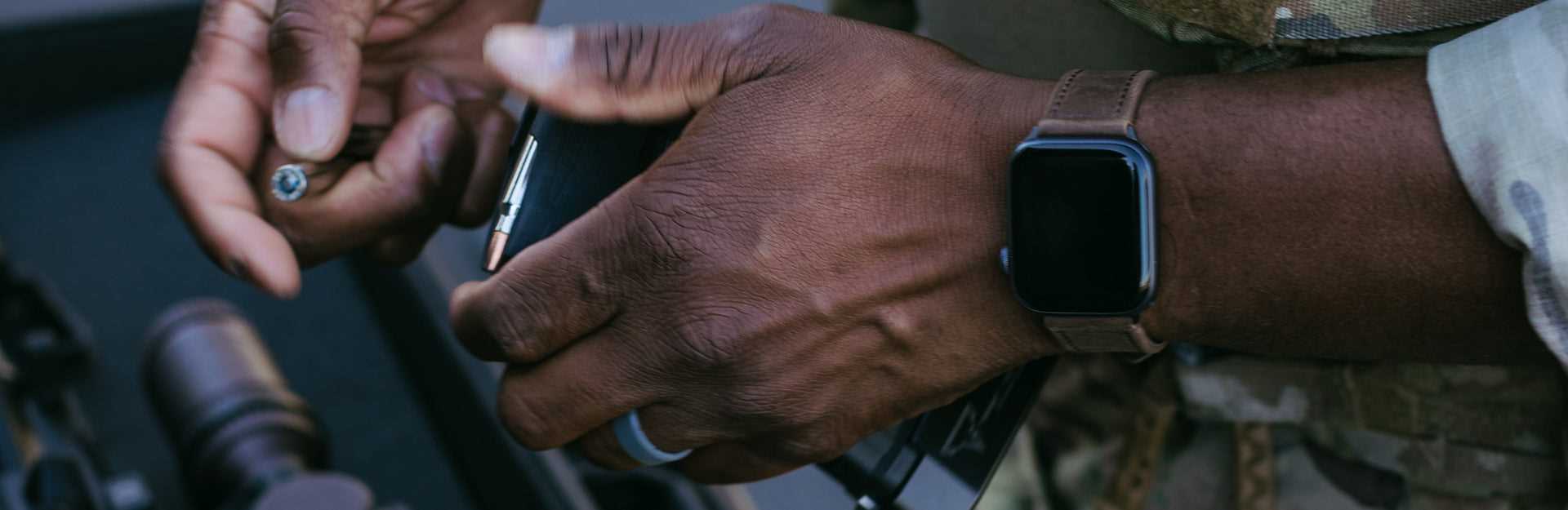
For those seeking comfort and versatility, synthetic materials like silicone and nylon are excellent alternatives. Silicone is waterproof and ideal for active lifestyles, whereas nylon webbing can be adjusted for various wrist sizes. These materials are also available in multiple colors, enhancing personal style.
Tips for Styling Your Timepiece with Different Straps
Mix materials for a unique touch; pair a leather strap with a stainless steel case for a sophisticated look. Create contrast by matching a bold color strap with a neutral-colored case; for example, a deep blue leather with a silver watch adds depth. Use textures wisely–smooth leather against a rugged metal can highlight the character of both components.
Consider the Occasion
Formal events call for classic styles; opt for an elegant leather strap. For casual outings, a canvas or silicone option can provide a relaxed vibe. Ensure that the finish of the strap complements your attire; polished surfaces go well with smart clothing, while textured materials suit laid-back outfits.
Layering and Accessorizing
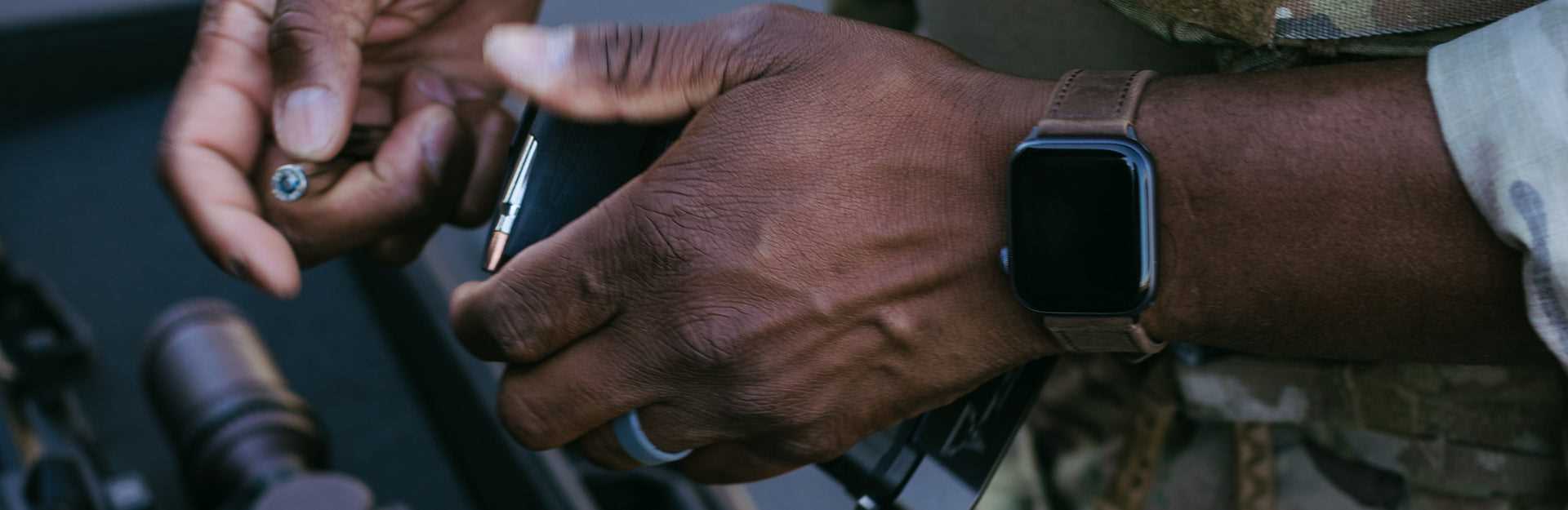
Layer a bracelet over or under your chosen strap for added dimension. Be mindful of color coordination; silver accents on your timepiece should match with metallic bracelets for a cohesive appearance. Avoid overcrowding your wrist by limiting additional accessories to one or two pieces, maintaining balance in the overall look.



