
 Ethan Cole

Current trends indicate a shift in the preference for timekeeping devices. Statistically, around 30% of consumers now rely on their smartphones for time management, diminishing the daily reliance on traditional timepieces.
Collecting statistics also reveals that the luxury segment has seen a marked increase in interest, with a 15% yearly growth in sales for unique handcrafted models. This suggests that, while everyday usage may decline, the appreciation for artistry and tradition in horology remains robust.
For those considering entering this market, focusing on limited editions and customizable features could yield better engagement. Utilizing social media platforms to display craftsmanship and uniqueness will further attract enthusiasts willing to invest in exceptional pieces.
Current Relevance of Traditional Timepieces
For those who value functionality over complexity, traditional timepieces offer a straightforward solution for tracking time, devoid of unnecessary distractions. These accessories serve as reliable companions for individuals who may find smart devices cumbersome during daily activities or social interactions. Their simplicity allows for a focus on the present moment, free from notifications and alerts.


Collectibility and Heritage
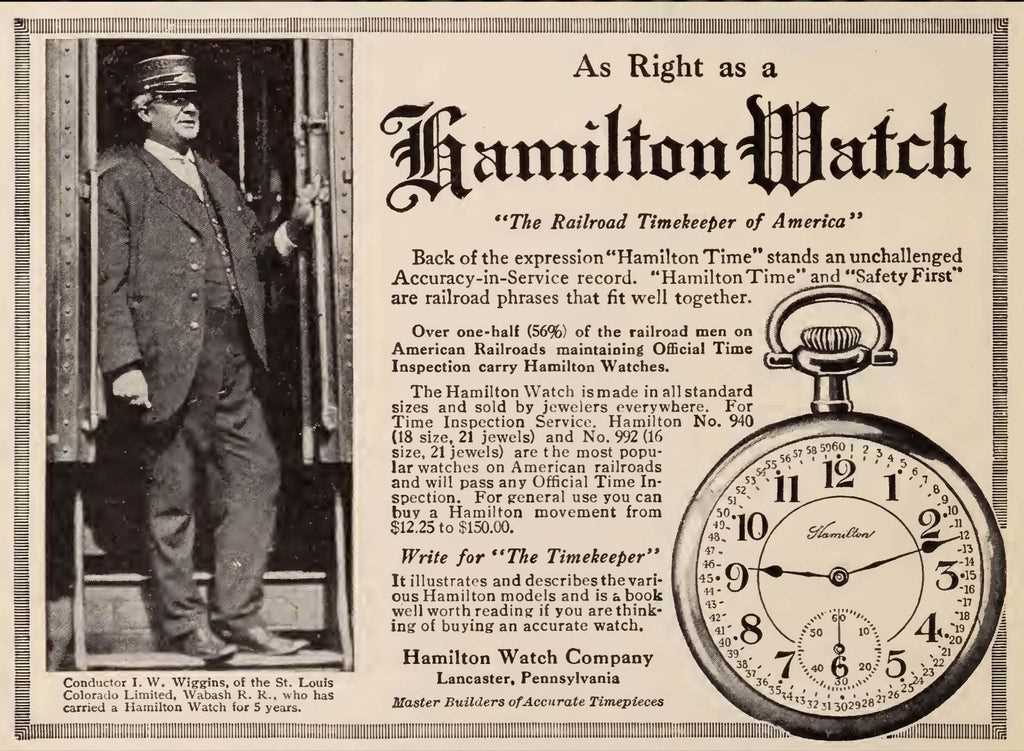
Collectors continue to show a strong interest in mechanical and quartz timepieces as tangible assets. Limited editions and heritage models often appreciate in value, turning collectors into investors. Brands with rich histories provide a narrative that attracts enthusiasts, preserving the artistry involved in timekeeping.
Personal Style Statement
Beyond mere functionality, traditional timepieces act as expressions of personal style. The variety in designs–from elegant dress models to rugged sport variants–caters to diverse tastes. Accessories play a significant role in personal branding, with timepieces often selected to complement attire or convey a specific image.
For anyone seeking to maintain an appreciation for craftsmanship and timeless design, the value of traditional timekeeping remains significant in today’s fast-paced world.
The Impact of Smart Devices on Traditional Timepieces
While conventional timepieces retain their aesthetic value, integration of smart devices redefines personal timekeeping. Enhanced functionality in these gadgets surpasses mere time display; features such as health monitoring, notifications, and connectivity blur the lines between fashion and technology.
Enhanced Functionality
Smart alternatives provide metrics like heart rate, sleep tracking, and GPS without needing extra devices. Consumers show preference for cutting-edge functionalities, leading to a decline in the appeal of traditional models. Brands must innovate with unique features to attract modern buyers.
Shift in Consumer Preferences
Data indicates a significant demographic shift towards younger consumers who prioritize technology over traditional design. This trend calls for a reevaluation of marketing strategies within the watch industry, focusing on the integration of smart technologies or hybrid options. The market may see growth in hybrid timekeepers that combine classic styling with smart features, catering to both nostalgia and innovation.
Changes in Consumer Behavior and Attitudes Towards Timekeeping
Shifts in consumer preferences indicate a declining reliance on traditional timepieces, driven by technological advancements and lifestyle transformations. Research shows that 45% of millennials prefer multifunctional devices over standalone timekeepers.
| Key Factors Influencing Preferences | Percentage of Consumers |
|---|---|
| Preference for Smart Technologies | 60% |
| Desire for Fashion Accessories | 25% |
| Use of Mobile Devices for Timekeeping | 80% |
| Connection to Health Monitoring Features | 50% |
Consumers increasingly seek connectivity, integrating time management with health and fitness data. The expectation for time-telling devices to offer additional functionality results in a preference for smart options. Also, 70% of individuals aged 18-34 regard timepieces primarily as fashion statements rather than practical tools.
Consumer attitudes have shifted from admiration of craftsmanship towards an appreciation for versatility. The incorporation of technology in everyday items highlights the necessity for brands to innovate. Failing to adapt to modern consumer needs may lead to significant declines in market shares for traditional timekeeping manufacturers.
In conclusion, understanding these changing preferences is vital for both emerging brands and established players. Focusing on multifunctionality and aligning products with contemporary lifestyles can capture the attention of a market increasingly driven by technological integration and aesthetic value.
Role of Fashion and Personal Style in the Future of Timepieces
Fashion influences the trajectory of timekeeping devices, transforming them into statement pieces. As aesthetic preferences evolve, the significance of style will increase, positioning these instruments as desirable accessories beyond their functional role.
Luxury brands are integrating innovative designs and exclusive collaborations with renowned fashion icons, ensuring that these items remain relevant in the style-conscious market. Unique craftsmanship and bespoke options cater to consumers seeking individuality, encouraging them to view these items as an extension of their personal brand.
Trends in sustainability are prompting brands to create eco-friendly models, appealing to environmentally-conscious audiences. Biodegradable materials, recycled metals, and ethical sourcing reflect a commitment to responsible consumerism while also attracting attention in fashionable circles.
Collector interest in vintage and limited-edition pieces underscores the enduring appeal of artisanal quality and classic aesthetics. Unique character and history of these items drive demand, establishing a secondary market that thrives on exclusivity and rarity.
Upcoming generations prioritize customizable elements, allowing users to express their personality through interchangeable straps, dials, and materials. This trend highlights the shift from mere timekeeping tools to personalized fashion statements that resonate with individual tastes.
The integration of advanced technology will also enhance style, with hybrid models featuring traditional designs alongside modern capabilities. Consumers will likely favor devices that merge practicality with elegance, ensuring their appeal remains strong in an increasingly competitive market.
Technological Advancements and Their Effect on Timepiece Demand
Incorporating cutting-edge technology into timekeeping has shifted consumer preferences significantly. The integration of features such as health tracking, GPS navigation, and app connectivity in modern devices has led to increased consumer reliance on multifunctional gadgets rather than classic models.
Key Technological Developments
- Fitness tracking capabilities have transformed how individuals monitor their health, creating a preference for smart gadgets that provide real-time data.
- Smart functionalities, including notifications and voice commands, appeal to those seeking convenience in their daily routines.
- Advancements in battery life and durability have made these devices more appealing for all-day use.
Consumer Preferences Shift
Data indicates a strong market trend whereby traditional timepieces are experiencing declining sales as smart alternatives rise in popularity. Surveys reveal that younger generations favor devices that enhance their lifestyle, leading to a marked shift in demand.
- Millennials and Gen Z prioritize technology integration over craftsmanship alone.
- Brand loyalty is increasingly tied to innovation and tech offerings rather than heritage or tradition.
For manufacturers focused on classic styles, responding to these technological shifts with hybrid models or innovative features can help retain relevance in a rapidly changing market. Understanding these trends is imperative for aligning product offerings with consumer expectations.
The Watch Industry’s Adaptation Strategies to Stay Relevant
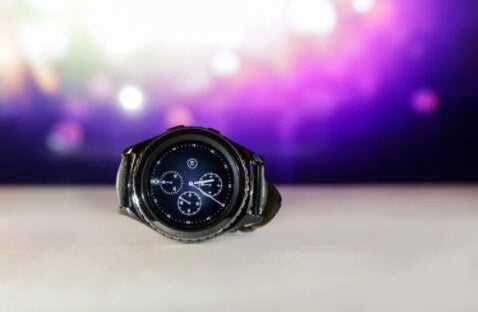
To remain competitive, the timepiece sector is embracing a multi-faceted approach. Key strategies include a blend of innovation, personalization, and sustainability. For instance, many brands are incorporating advanced materials and smart technology into their classic designs, appealing to both traditional aficionados and tech-savvy consumers.
Innovation and Technology Integration
One significant trend is the integration of smart features into mechanical models. Companies like Garmin and TAG Heuer are merging traditional craftsmanship with modern functionalities, offering hybrid options that cater to diverse customer preferences. These hybrid designs allow consumers to enjoy the aesthetic appeal of classic models while benefiting from fitness tracking and notifications.
Personalization and Limited Editions
Customizable options are gaining traction among manufacturers. Brands are now offering bespoke experiences, allowing enthusiasts to personalize their timepieces with unique engravings, materials, and colors. Limited edition releases create an exclusive allure, drawing collectors who seek distinctive and rare pieces.
Sustainability practices are becoming more crucial. ADAPTING materials such as recycled metals and eco-friendly packaging can galvanize a brand’s image. Transparency about sourcing and manufacturing processes resonates with younger demographics that prioritize ethical consumption, thus retaining their loyalty.
Incorporating online platforms for direct-to-consumer sales is another effective tactic. Engaging marketing strategies via social media and influencer partnerships enhance brand visibility and build community among enthusiasts. As preferences evolve, brands must consistently adapt to shifting consumer demands to secure their place in the marketplace.


