
 Ethan Cole

Consider the role of a timepiece as a statement rather than merely a utility. Selecting this accessory should hinge on factors such as craftsmanship, design, and personal taste rather than societal labels. The notion that one style could be associated with a specific identity undermines individual expression.
When choosing a timekeeper, focus on the attributes that resonate with you personally. The variety in styles – from sleek minimalism to intricate detailing – allows one to showcase their unique character. Understand that accessories are not bound by gendered interpretations but should instead reflect personal aesthetics and lifestyle choices.
Cultural norms often shape perceptions regarding fashion. However, these interpretations can be fluid. Associating a particular design with specific identities can constrict creativity and authenticity. Embrace choices that align with your sense of self rather than adhering to preconceived notions about what certain items signify.
Expression and Personal Style
Wrist accessories can reflect one’s identity and personal tastes. They transcend simple functionality and can embody various expressions of style that resonate with different individuals regardless of orientation. Choosing a specific design, material, or color can enhance an outfit and contribute to a persona, highlighting individuality.
Cultural Perceptions
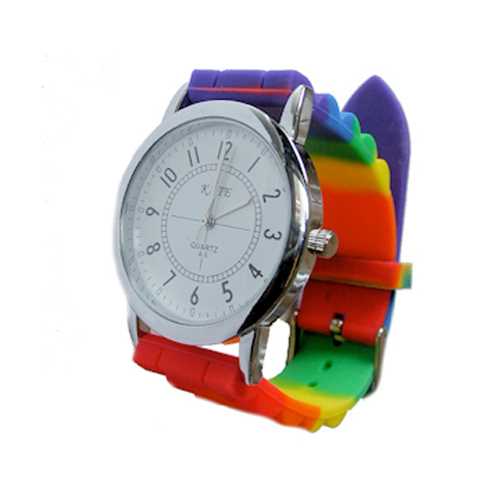


In various cultures, timepieces can carry distinct connotations. While some may associate elegance with certain styles, others might link sporty designs to more adventurous personalities. Understanding these cultural frameworks can help in selecting a piece that complements personal expression over stereotypes.
Market Trends
The fashion industry often blurs gender lines, showcasing designs that appeal universally. Contemporary brands engage in inclusive marketing strategies, highlighting diversity in their collections. Accessorizing with stylish timepieces has become a statement of self-expression rather than alignment with outdated norms.
Cultural Perceptions of Timepieces and Masculinity
Choosing a timepiece is often seen as a reflection of one’s identity and social standing. In many cultures, these accessories are associated with power, status, and sophistication, influencing masculine norms and expectations. A strong recommendation is to consider the design and functionality that resonate with personal style, rather than conforming to gender stereotypes.
Historically, precision instruments were embraced as tools of masculinity, but societal changes have shifted perceptions. Modern interpretations now allow for a broader understanding, where elegance and innovation are equally appreciated. It’s important to explore styles ranging from minimalistic to bold, ensuring personal expression takes precedence over traditional norms.
Role models and influencers shape attitudes toward these accessories. Notably, figures in sports, entertainment, and fashion often wear distinct pieces that blend utility with artistic flair, demonstrating that masculinity is not limited to conventional designs. Engaging with diverse styles can enhance personal characteristics while challenging outdated stereotypes.
In various societies, the relationship between these devices and masculinity remains complex. Some perceive sleek designs as empowering, while others may view intricate details as undermining traditional masculine traits. A balanced approach prioritizes authenticity and individuality, allowing men to curate collections that speak to their unique aesthetics without fear of judgment.
Ultimately, embracing a wide array of options fosters an inclusive perspective on style and masculinity. Prioritize comfort and confidence in every choice, allowing personal taste to lead the way. By fostering a culture that celebrates diversity in accessories, individuals can redefine what it means to express themselves through the art of telling time.
Fashion Trends: Are Wrist Accessories Considered Feminine?
Contemporary fashion recognizes how accessories can challenge traditional gender norms. Timepieces crafted with intricate designs, vibrant colors, and elegant aesthetics increasingly appeal to a diverse audience. Unisex collections are prevalent, showcasing styles that blur the lines between masculine and feminine design elements. Consider opting for bold, statement pieces that resonate with personal style rather than societal expectations.
Research indicates that accessories, including timepieces, serve as critical indicators of personal identity. Brands have embraced this shift, introducing lines specifically targeting non-binary and androgynous consumers, which reflects broader cultural changes. Emphasis on individuality allows everyone to express themselves freely through their choice of ornamentation.
The current trend promotes versatility in fashion, where layered jewelry, including timepieces, can complement a range of outfits, further eliminating the stigma associated with certain styles. Selecting a watch that resonates with personal aesthetics over conventional definitions enhances self-expression, allowing wearers to curate their unique look.
Incorporate pieces that feature mixed materials, such as leather combined with metal or fabric bands, to cultivate a distinctive style. There’s a growing market for designs that prioritize functionality and uniqueness, appealing regardless of gender classifications. Highlight pieces by emerging designers who prioritize sustainability and craftsmanship, as this reflects a commitment to contemporary values while also setting personal fashion standards.
Ultimately, personal style takes precedence. Choose pieces that resonate with self-identity and authenticity, regardless of societal expectations surrounding gender and accessorizing.
How to Choose a Timepiece That Fits Your Personal Style
Select options based on your daily activities and lifestyle. For a professional setting, a classic dress piece with a minimalist design can convey sophistication. If you engage in outdoor activities, consider durable sports models with features like water resistance, durable straps, and additional functionalities like timers or heart rate monitors.
Evaluate the materials used. Stainless steel offers a sleek, timeless look, while leather provides warmth and luxury. For a modern touch, ceramic or titanium alternatives are lightweight and stylish. Don’t shy away from unique materials; they can serve as conversation starters and reflect individuality.
Color trends influence the choice of a statement accessory. Neutral tones such as black, silver, or brown fit well with various outfits and occasions. Bold colors or patterns can showcase personality, especially if you enjoy a more eclectic wardrobe.
Size matters. Proportion is key; larger faces suit bigger wrists while smaller designs fit more delicate frames. Ensure comfort is prioritized, as an ill-fitting accessory can detract from your overall appearance.
Finally, align the choice with personal interests. For example, a vintage model can appeal to those who appreciate history and craftsmanship, while a tech-forward version may attract gadget enthusiasts. Your selection will reflect personal style and values, making it a true extension of yourself.
Celebrity Influence on the Perception of Timepieces
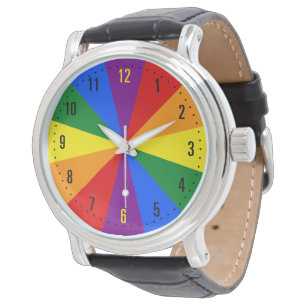
Embrace the power of influencers when choosing a timepiece. Celebrities often shape trends through their public appearances, endorsements, and social media. Observing icons like Daniel Craig or David Beckham, you might notice a preference for sophisticated designs, which can enhance a sophisticated image.
Take cues from actors who highlight luxury and craftsmanship. For instance, the sought-after Audemars Piguet has seen a surge in popularity largely due to its association with high-profile figures. Investing in established brands often translates to a perception of status and refinement.
Fashion events, red carpets, and award ceremonies are vital venues for showcasing the latest designs. Noteworthy celebrities frequently sport distinctive accessories, influencing the perception that certain watches are essential for a stylish wardrobe, transcending traditional gender norms.
Social media platforms offer insights into endorsements. Influencers and public figures sharing their own collections or favorites fosters a sense of validation among fans and followers. This trend can effectively sway opinions on what constitutes a desirable choice.
Consider paying attention to collaborations between designers and mainstream personalities. Limited-edition releases often generate buzz and increase value, making those specific pieces highly coveted items among enthusiasts and collectors alike.
Timepiece Brands: Gender Norms Associations
Certain brands are more closely associated with traditional gender roles in the context of personal accessories. The following lists highlight notable brands and their perceived connections to masculinity or femininity.
Brands Linked to Masculinity
- Rolex – Often symbolizes power and success, appealing primarily to a masculine clientele.
- Tag Heuer – Emphasizes sports and performance, attracting a predominantly male audience.
- Breitling – Known for aviation and exploration themes, typically marketed toward men.
- Seiko – While offering both genders’ styles, its mechanical watches are often favored by men.
Brands Linked to Femininity
- Chanel – Focuses on luxury and elegance, frequently aimed at women.
- Cartier – Known for delicate designs, often attracting a female demographic.
- Fossil – Offers fashion-forward options, appealing primarily to women looking for trendy designs.
- Michael Kors – Popular for its chic and stylish timepieces, targeting a feminine market.
Specific features offered by various brands can also enhance their gendered appeal. For example, women’s designs frequently incorporate smaller cases and intricate embellishments, while men’s models often showcase larger sizes and robust materials.
Understanding these associations assists individuals in selecting a timepiece that reflects their identity beyond societal expectations.


