
 Ethan Cole

A specific type of portable gadget equipped with advanced sensors offers the possibility of tracking arterial tension. These devices utilize oscillometric measurements, which analyze the vibrations in the arterial wall caused by blood flow. This approach provides a non-invasive means to acquire readings without the need for conventional cuffs.
While this technology is gaining traction, it’s important to scrutinize the accuracy. Research indicates that some models can deliver results comparable to standard sphygmomanometers under controlled conditions. However, individual factors, such as wrist circumference and positioning, can influence the precision of the readings.
For those considering integration of such technology into their health monitoring routine, it is advisable to cross-check gadget readings with traditional methods periodically. This dual approach helps ensure reliable data and fosters better awareness of one’s cardiovascular health.


Can a Wrist Device Assess Arterial Tension?
Yes, a device worn on the wrist has the capability to provide estimates of arterial tension. However, accuracy may vary compared to traditional upper arm monitors. It’s advisable to cross-reference readings with a standard device for reliability.
Factors Influencing Accuracy
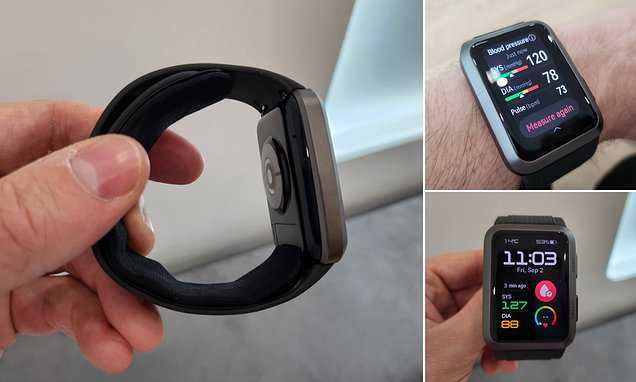
Several elements can affect the precision of arterial tension readings from a wrist-mounted gadget:
| Factor | Impact on Readings |
|---|---|
| Position of Arm | Needs to be at heart level for valid results. |
| Device Calibration | Regular calibration ensures consistency in readings. |
| Body Composition | Obesity or specific body types can skew results. |
| Movement | Movement during reading can lead to inaccuracies. |
Recommendations for Use
For optimal results with a wrist-mounted arterial tension monitor:
- Use when seated calmly for at least five minutes.
- Align device properly in accordance with manufacturer guidelines.
- Avoid caffeine or nicotine intake for at least half an hour prior.
- Take multiple readings to identify trends rather than relying on a single measurement.
By adhering to these practices, one can enhance the credibility of findings from a wrist device while monitoring arterial tension effectively.
Understanding How Blood Flow Assessment Functions
Utilizing oscillometry or auscultation methods are the predominant techniques for determining arterial tension. Oscillometric devices detect arterial wall vibrations as blood circulates, while auscultation employs a stethoscope to listen for Korotkoff sounds during the inflation and deflation of a cuff.
Key Components of Assessing Arterial Tension
Accurate readings rely on several critical elements:
- Cuff Size: Using an appropriate cuff size is vital. A cuff too small may yield inflated readings, whereas a large cuff could underestimate the tension.
- Positioning: Proper positioning of the arm at heart level contributes to reliability. Ascertain the individual remains seated comfortably during the assessment.
- Repetition: Taking multiple readings helps ensure consistency, particularly for individuals with variable tension.
Factors Influencing Results
Several variables can impact recorded values:
- Time of Day: Tension can differ based on daily rhythms; morning and evening may yield contrasting results.
- Physical Activity: Engaging in strenuous activity prior to evaluation may result in temporary elevations.
- Emotional State: Stress levels can also cause temporary fluctuations, affecting readings.
A thorough understanding of these mechanisms allows for more accurate assessments, aiding in the monitoring and management of cardiovascular health.
Technological Features of Smartwatches for Blood Pressure Monitoring
Modern gadgets designed for wrist use integrate advanced sensors that can track arterial tension through various methodologies. Optical sensors utilizing photoplethysmography (PPG) capture variations in blood volume with each heartbeat. This technology harnesses light to monitor changes in the skin’s color, accurately indicating fluctuations in cardiovascular status.
Moreover, many devices incorporate advanced algorithms to interpret data, enhancing accuracy by filtering out noise from motion and environmental factors. The fusion of machine learning techniques allows these devices to improve their readings over time, adapting to individual user patterns and physiological characteristics.
Some models utilize an inflatable cuff mechanism to provide more traditional readings, ensuring reliability. These models often connect to an app for seamless data visualization and long-term tracking, enabling users to better understand their health trends.
Battery efficiency has also seen significant upgrades, allowing continuous monitoring without frequent recharging. This facilitates a more consistent collection of health data, offering insights over extended periods.
Lastly, many of these gadgets now feature user-friendly interfaces that make accessing real-time information straightforward. Notifications related to irregularities can prompt timely actions, thus supporting proactive health management.
Comparing Accuracy of Wrist Devices to Traditional Monitors
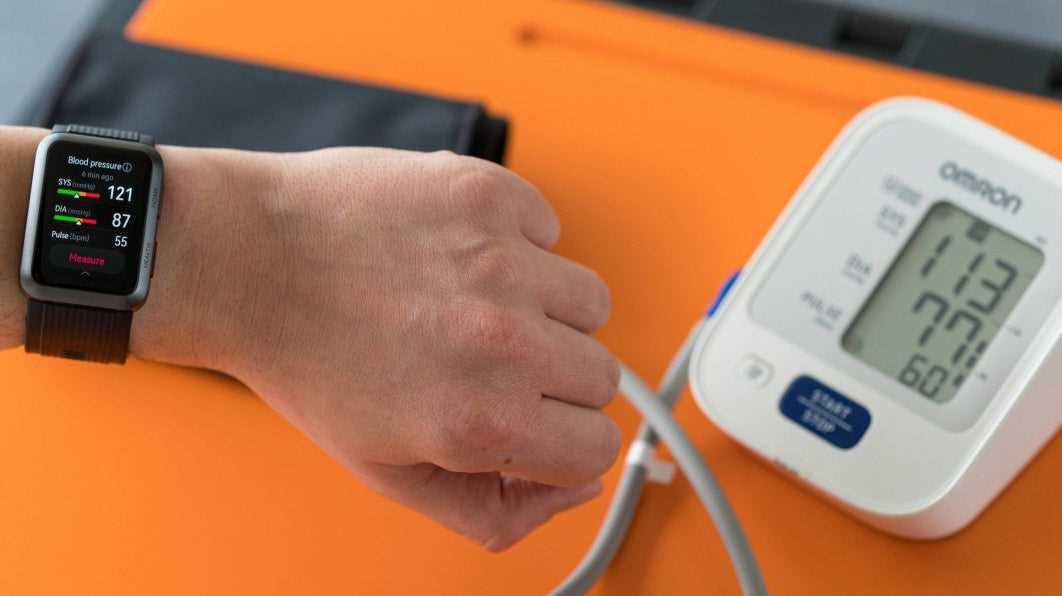
Studies indicate that traditional sphygmomanometers provide greater reliability for determining arterial tension than portable electronic devices. Clinical trials show that discrepancies can be significant, particularly in individuals with varying arm sizes or those who experience conditions like arterial stiffness. Subtle variations in readings may emerge due to placement and fit, making precise positioning critical for the wrist-based variants.
Clinical Findings
Research published in reputable journals highlights that traditional monitors often yield standard deviations of 5-10 mmHg, while wrist devices sometimes exceed this range, especially under conditions of body movement or ambient temperature fluctuations. A systematic review involving over 200 subjects found that wrist instruments frequently misinterpret lower readings due to inadequate calibration. Subjects with hypertensive or hypotensive states may experience heightened discrepancies.
Manufacturer Variability
Different brands yield varying results, with some advanced wrist devices approaching the accuracy of manual cuffs under controlled conditions. However, users should be cautious of the advertised precision levels. Always compare readings with a clinical standard during initial usage, ensuring any device selected fits comfortably and adheres to recommended guidelines on positioning and frequency of use.
Limitations and Challenges in Using Smartwatches for Blood Pressure Tracking
Inaccuracies in readings can significantly hinder the reliability of smartwatch technologies designed for monitoring cardiovascular metrics. Factors such as user movement, position during assessments, and external environmental influences can lead to variations in outcome, compromising the accuracy of data obtained.
Body composition plays a role in deviations from expected results. Individuals with specific health conditions or variances in skin type may experience discrepancies in sensor responses, affecting the functionality of algorithms used to interpret data.
Battery Life Impact
Battery longevity presents a notable challenge. Continuous utilization of sensors for cardiovascular assessment can deplete energy resources quickly, leading to interruptions in monitoring and potential gaps in vital information over time.
Integration with Medical Systems
Limited compatibility with existing healthcare infrastructure can restrict the full utilization of data. Integration issues may prevent seamless transfer of health metrics to professional platforms, complicating comprehensive health tracking and intervention strategies.
Practical Tips for Choosing the Right Wearable for Blood Pressure Monitoring
Focus on devices that offer validated accuracy. Look for models that have been clinically tested and meet standards established by health authorities such as the FDA or CE. This ensures reliability in readings.
Key Features to Analyze
- Sensor Technology: Opt for wearables utilizing advanced sensor technologies like photoplethysmography (PPG) or oscillometric methods for better precision.
- Batteries: Select products with lengthy battery life to avoid frequent recharging; ideally, devices should last several days on a single charge.
- App Integration: Ensure connectivity with user-friendly applications that allow for easy data tracking and management on smartphones or tablets.
Comfort and Design
- Fit: Choose a design that sits comfortably on the wrist without being overly tight or loose to ensure proper sensor contact.
- Weight: Opt for lightweight options for extended wear without discomfort.
- Style: Select a model that complements your aesthetic preference to encourage regular use.
Check for user reviews and ratings concerning durability and performance. Community feedback can provide insights into long-term reliability and user experience.
Finally, consider warranty and customer support. A reliable warranty reflects the manufacturer’s confidence in the product and offers peace of mind for consumers.



