
 Ethan Cole
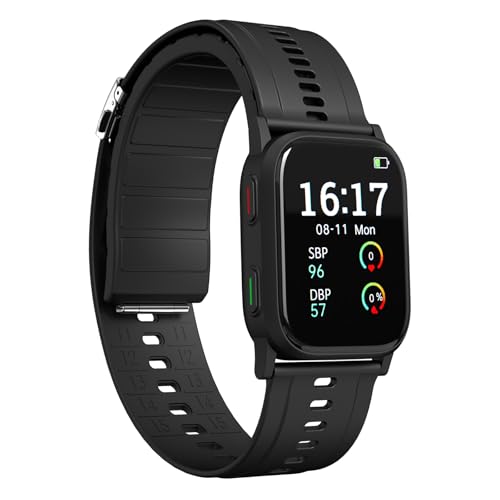
Wearable technology has rapidly evolved, and numerous devices now incorporate health monitoring features. Among these, certain models possess the capability to monitor blood pressure. Users should specifically look for devices that feature built-in sensors designed for this purpose, ensuring accurate readings and effective tracking.
When choosing a gadget for blood pressure monitoring, consider the specifications closely. Look for devices that use oscillometric measurement techniques; these provide reliable results comparable to traditional sphygmomanometers. Additionally, opt for wearables that include a calibration feature, allowing periodic checks against standard devices for accuracy.
Software integration also plays a significant role in data tracking. Look for gadgets that sync with health apps to offer a comprehensive overview of your cardiovascular metrics. This enables easier tracking of trends over time, making it simpler to manage health changes or discuss results with your healthcare provider.


Measurement of Blood Pressure with Smart Devices
Smart devices incorporating advanced sensors can accurately measure blood pressure. These gadgets utilize oscillometric technology, which detects the vibrations of blood flow and calculates pressure values accordingly.
Key Features to Consider
- Sensors: Look for devices equipped with photoplethysmography (PPG) sensors for precision in readings.
- Calibration: Regular calibration against traditional devices ensures accuracy.
- Heart Rate Monitoring: Integration with heart rate monitors provides a more comprehensive health overview.
Popular Options Available
- Smart Bands: Compact and lightweight, ideal for daily wear.
- Fitness Trackers: Often include multiple health metrics alongside blood pressure monitoring.
- Smart Health Cuffs: Traditional cuffs with smart features for enhanced usability.
To achieve reliable results, ensure that the device fits securely on the wrist. For the most accurate readings, it’s advisable to measure blood pressure at consistent times each day.
Understanding Blood Pressure Monitoring Technology in Watches
Modern timepieces equipped with blood pressure monitoring capabilities leverage oscillometric technology. This method assesses pulse waves through the skin, analyzing blood flow variations to estimate pressure levels.
Sensors and Algorithms
Advanced sensors enable accurate detection of systolic and diastolic values. These devices typically utilize photoplethysmography (PPG) in conjunction with oscillometric algorithms to improve precision. The integration of accelerometers may also help reduce motion artifacts, leading to more reliable readings during physical activities.
Data Accuracy and User Considerations
Accuracy is significantly influenced by user positioning and fit. Ensuring the device is snug against the skin is essential for optimal performance. For consistent results, users should follow manufacturer guidelines regarding timing and conditions for measurement. Regular calibration against clinically validated monitors can further enhance trust in the data collected.
Comparison of Wrist Devices vs Traditional BP Monitors
For accurate blood pressure readings, traditional monitors provide a more reliable method compared to wrist devices. These devices utilize a cuff that inflates around the upper arm, which is recognized for its ability to deliver precise measurements in various conditions. In contrast, wrist models tend to be influenced by body position; improper alignment can lead to significant discrepancies in readings.
Clinical studies consistently reveal that arm-based monitors have a lower margin of error, making them the preferred choice among healthcare professionals. They effectively accommodate a wider range of users, particularly those with hypertension or other cardiovascular conditions, ensuring that measurements reflect true physiological states.
While wrist alternatives boast convenience and portability, their user-friendly design may not compensate for potential measurement inaccuracies. Individuals seeking consistent monitoring should consider the compromise in precision when opting for a more compact gadget. Calibration and regular usage often enhance the reliability of both device types, although traditional options inherently require less adjustment to maintain accuracy.
In summary, while wrist gadgets offer an appealing blend of portability and modern technology, traditional blood pressure monitors remain the gold standard for precise health assessment. Users must weigh convenience against accuracy, ideally prioritizing their health needs when choosing between these two types of devices.
Accuracy and Reliability of BP Readings from Smart Devices
Measurement precision relies heavily on the technology utilized in these gadgets. Optical sensors, commonly employed for blood pressure assessment, use light reflection from blood vessels to gauge pressure. This method may yield varying results depending on skin type, movement, and environmental factors.
Factors Influencing Measurement Precision
- Calibration: Regular calibration against clinical devices is essential for maintaining accuracy. Without proper calibration, discrepancies can arise.
- Body Position: Readings can fluctuate dramatically based on arm placement and body posture. Keep the device at heart level for optimal results.
- Interference: Factors like temperature, hydration levels, and physical activity can affect measurements. Ensuring a calm environment during readings can improve reliability.
Comparative Accuracy
Research indicates that while advanced models can offer decent precision, traditional sphygmomanometers still outperform many smart devices in clinical settings. It’s advisable to use these gadgets as supplementary tools, rather than replacements for traditional monitors.
A thorough understanding of the device’s limitations, alongside periodic professional measurements, can enhance personal health monitoring strategies.
Features to Look for in a BP Monitoring Wrist Device
Select a device that offers various measurement methods, such as oscillometric and auscultatory techniques. Oscillometric devices measure blood pressure by detecting fluctuations in pressure, while auscultatory methods utilize auditory signals from blood flow. A combination provides more accurate readings under different conditions.
Display Quality
Display clarity is important. Ensure that the screen offers high resolution and contrast for easy readability, especially for those with visual impairments. Look for models with backlit displays for use in low-light situations.
Battery Life
Assess battery longevity. Opt for models that last at least several days on a single charge. Some devices offer quick recharge capabilities, making them convenient for regular usage.
| Feature | Recommended Specification |
|---|---|
| Measurement Method | Oscillometric and Auscultatory |
| Display Type | High-resolution with Backlight |
| Battery Life | Minimum 5 days |
| Water Resistance | IP67 or higher |
| Mobile App Integration | Compatible with major platforms |
Water resistance increases durability. Choose devices rated IP67 or higher to ensure protection against moisture and dust. This is particularly advantageous for those who lead active lifestyles or utilize the device during exercise.
Mobile app integration enhances functionality. Select options that sync with popular health apps for comprehensive tracking and analysis of blood pressure data. These features enable sharing information with healthcare providers for better management of health conditions.
Interpreting BP Data from Smartwatches: What You Need to Know
The interpretation of blood pressure metrics from modern devices requires an understanding of the nuances involved. Users should familiarize themselves with the method of measurement, as some units operate on optical sensors while others may use oscillometric technology.
Reference values are crucial. An individual should compare readings against standard blood pressure ranges provided by health authorities. Consistency in measurement times enhances reliability; tracking at the same time daily can reveal trends that may warrant further investigation.
Some models offer features such as trend analysis, which highlights fluctuations over time. Users should focus not only on single readings but also on averages taken over several days or weeks to gain a holistic view of their cardiovascular health.
Engagement with the accompanying app is important as well. These platforms often include educational resources about interpreting results, which can add context to any readings.
Regular calibration against a traditional manometer is recommended for accuracy verification. If discrepancies arise, reevaluating usage habits and ensuring the device fits correctly is essential.
Lastly, consult healthcare professionals when interpreting high or low spikes in blood pressure data, particularly if such patterns appear alarming or deviate from previously observed trends.
FAQ:
Can a wristwatch accurately measure blood pressure?
Currently, most wristwatches that claim to measure blood pressure are primarily fitness trackers or smartwatches that use sensors to analyze your heart rate and infer stress levels. However, the accuracy of these measurements can vary significantly between devices. While some models incorporate oscillometric methods to estimate blood pressure, they are not a substitute for traditional blood pressure cuffs, which provide a more precise reading. Always consult medical professionals for reliable blood pressure monitoring.
What are the limitations of wristwatches in measuring blood pressure?
Wristwatches designed to measure blood pressure often have several limitations. Firstly, many of these devices rely on algorithms that estimate blood pressure based on heart rate data and other physiological signals, which may not be accurate. Additionally, wrist positioning can affect readings; if the wrist is not at heart level, it can lead to inaccurate results. Outside factors like physical activity, stress, or temperature changes can also interfere with measurements. For individuals with specific medical needs or conditions, it’s advisable to use dedicated medical devices for blood pressure monitoring and to consult healthcare providers for accurate assessments.



