
 Ethan Cole
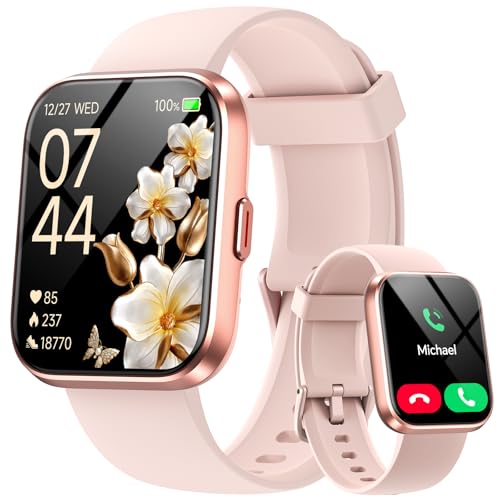
Subdermal devices that incorporate timekeeping functions can be a feasible option for those looking to integrate personal time management seamlessly into their daily lives. While the concept of embedding timepieces within the skin may raise health or safety concerns, current innovations in biocompatible materials and surgical techniques have made this pursuit more realistic.
The procedure generally involves the placement of a small, specially designed device under the skin, which can be monitored and controlled via external interfaces. For those interested, thorough research and consultations with health professionals are paramount prior to considering such an operation. Individuals should explore the latest advancements in this field and assess potential risks versus benefits.
Before committing to any surgical option, it’s advisable to understand the implications of having a device within the body. Potential issues may include infection, device malfunction, and complications related to the healing process. Engaging with experienced surgeons and specialists can provide clarity on what to expect and how to ensure a successful outcome.
In summary, while integrating a timekeeping device beneath the skin is theoretically possible, it requires careful planning and informed decision-making. Stay updated with technological developments and consult with medical professionals to chart a safe path forward.
Implanting Timepieces Under the Skin
This procedure is not currently standard practice in medical or technological fields. Small devices that can be implanted beneath the skin are predominantly experimental and meant for health monitoring rather than timekeeping.
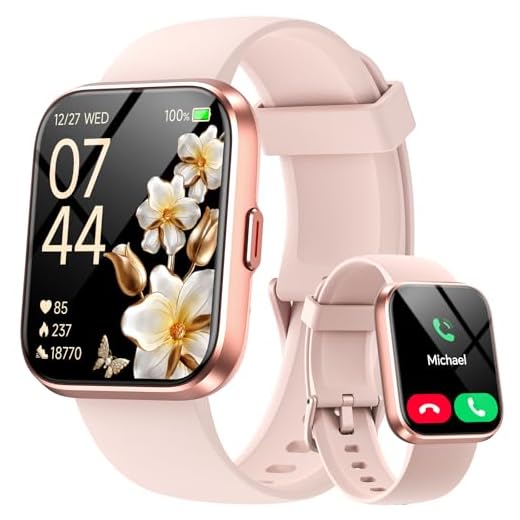

Feasibility and Concerns
- Biocompatibility is crucial; materials must not cause adverse reactions.
- Technical limitations exist regarding power sources and display mechanisms.
- Infection risks and surgical complications are significant factors to consider.
Alternative Options
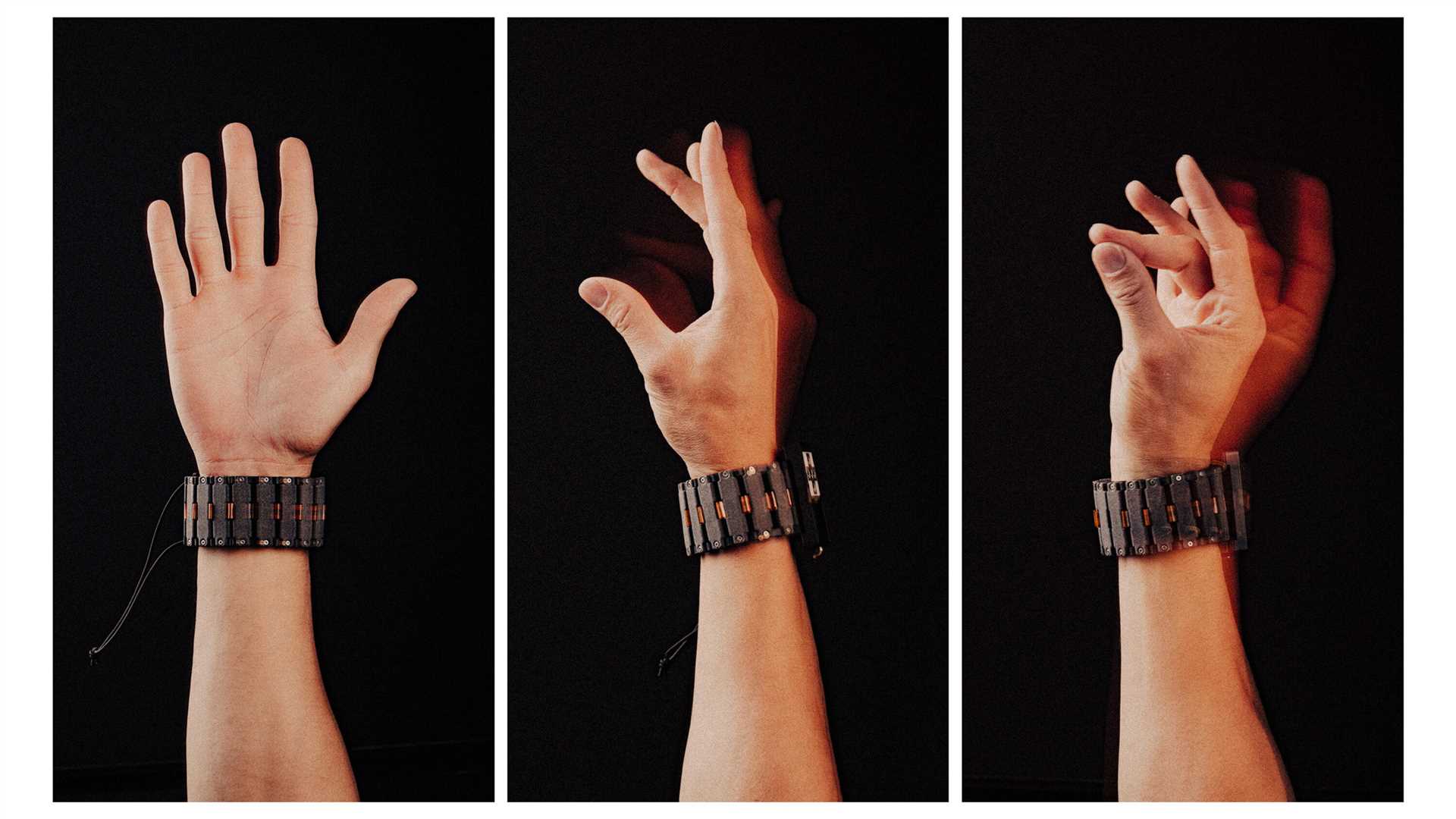
- Smart jewelry offers functionality similar to traditional timepieces, without surgical intervention.
- Wearable devices can provide notifications and health tracking, remaining outside the body.
- Advancements in flexible electronics may lead to stylish wearables that integrate seamlessly into daily life.
Regular monitoring by healthcare professionals is advisable, regardless of the approach chosen. Consulting specialists before any medical procedures is essential.
Understanding the Technology Behind Implanted Devices

Advanced miniaturization of technology enables the integration of sophisticated gadgets under the skin, providing functionalities previously only found in external devices. Key components include microprocessors, sensors, power sources, and communication systems.
Microprocessors and Sensors
Microprocessors serve as the brain of these devices, processing data collected from various sensors. These sensors can track vital signs, movement, and environmental conditions, delivering real-time information to users. Integration of biometric sensors increases the potential for health monitoring applications.
Power Sources and Communication
Implantable items often rely on rechargeable batteries or energy harvesting techniques, such as solar or kinetic energy. Wireless communication protocols, such as Bluetooth or NFC, facilitate interaction with external devices, allowing easy access to data via smartphones or computers.
Health Considerations and Risks of Wrist Implantation
Prior to undergoing a procedure that embeds a device in the skin, thorough evaluation by a medical professional is essential. Potential complications include infection, which carries risks of severe health issues, and inflammation, which can disrupt normal healing processes.
Rejection and Biocompatibility
Rejection of foreign materials is a significant concern. The body may identify the device as an intruder, leading to immune responses. Selecting materials that are biocompatible, such as certain titanium or silicone alloys, can help mitigate this risk.
Long-Term Implications
Regular monitoring for complications is vital. Wear and tear or battery depletion may necessitate additional surgical procedures. It is advisable for individuals undergoing such an operation to maintain close communication with healthcare providers regarding any changes or discomfort in the area.
Consideration of lifestyle factors is also crucial. Activities that involve heavy physical exertion could lead to premature failure of the device or additional stress on surrounding tissue. Limiting high-impact movements might be necessary during the recovery phase.
Legal and Ethical Implications of Body Modifications
Engaging in body modifications involving device insertion prompts significant legal and ethical debates. Regulatory frameworks vary across jurisdictions, impacting the permissibility and oversight of such alterations. Certain countries may require comprehensive health evaluations and consultations with certified professionals before accepting such procedures.
Ethically, the autonomy and informed consent of individuals undergoing modifications are paramount. It’s critical to ensure that individuals fully understand potential risks and implications associated with these transformations. Transparency from medical practitioners regarding the nature of the procedure, maintenance needs, and possible health complications is necessary for responsible practice.
Liability issues may arise if complications occur post-procedure. Medical professionals must outline risks and post-surgical care transparently, with legal ramifications for negligence or uninformed consent considerations. Additionally, societal perceptions of these modifications may lead to stigma, affecting personal and professional interactions for those opting for such enhancements.
Furthermore, the implications on personal data privacy from embedded technologies raise important questions. Users must consider the security measures in place to safeguard their information from potential breaches or unauthorized access. An ongoing legal discourse surrounds intellectual property rights concerning the technology and design of these modifications, balancing innovation with ethical use.
Current Innovations in Wearable Technology
Wearable technology is advancing rapidly, integrating health monitoring and convenience into daily life. Innovations in smart devices include :
- Health Monitoring: Devices now feature continuous health tracking, offering insights into heart rate, oxygen levels, and even hydration.
- Enhanced Connectivity: Improved Bluetooth technology ensures seamless interactions with smartphones, providing notifications and alerts directly on the device.
- Augmented Reality (AR): Some wearables incorporate AR features for enhanced navigation and user interaction, merging the digital and physical worlds.
Recent Breakthroughs

Prominent advancements include:
- Flexible Electronics: Manufacturers are developing skin-like electronics that improve comfort and functionality.
- AI Integration: Artificial intelligence is being incorporated for personalized health recommendations based on real-time data.
- Solar-Powered Devices: Some wearable gadgets now utilize solar technology for extended battery life.
These innovations reflect a significant shift towards more integrated and user-friendly solutions in personal technology. As the sector grows, ongoing research and development promise to add even more features and capabilities, further enhancing the user experience.
Cost and Accessibility of Implantable Watches
The price range for wrist-integrated devices varies widely based on technology and complexity. Estimates suggest initial costs may start around $1,000 and can exceed $10,000, reflecting advanced features and surgical requirements.
Accessibility is currently limited. Only a handful of clinics and specialized centers offer such procedures, often requiring patients to undergo extensive screenings for eligibility. Additionally, insurance companies rarely cover these operations, leading to substantial out-of-pocket expenses.
Here is a breakdown of potential costs and factors influencing pricing:
| Item | Estimated Cost |
|---|---|
| Surgical Procedure | $3,000 – $8,000 |
| Device Cost | $1,000 – $5,000 |
| Pre-Operative Assessments | $200 – $1,000 |
| Post-Operative Care | $500 – $2,000 |
Future developments in technology could enhance both affordability and availability. As demand grows and regulatory pathways evolve, it’s plausible that innovations will lead to less expensive options and broader access.



