
 Ethan Cole

Excessive pressure from bands can lead to significant discomfort in the fingers. Choose a strap that fits snugly yet comfortably, allowing for natural blood circulation to avoid stress on the joints.
Regularly adjusting the position of the timepiece is advisable to prevent irritation on specific areas of the wrist. Consider swapping between different types of accessories to distribute pressure, especially during extended usage.
Pay close attention to the materials used in your accessory. Hypoallergenic components may reduce the likelihood of skin irritation, which can contribute to overall discomfort. If irritation occurs, opting for alternative materials can be beneficial.
Engaging in stretching exercises for the hand and fingers throughout the day can alleviate tension and promote flexibility. Incorporating short breaks while wearing a timepiece allows the hand to rest, significantly minimizing the risk of strain.

Can a Timepiece Result in Discomfort?
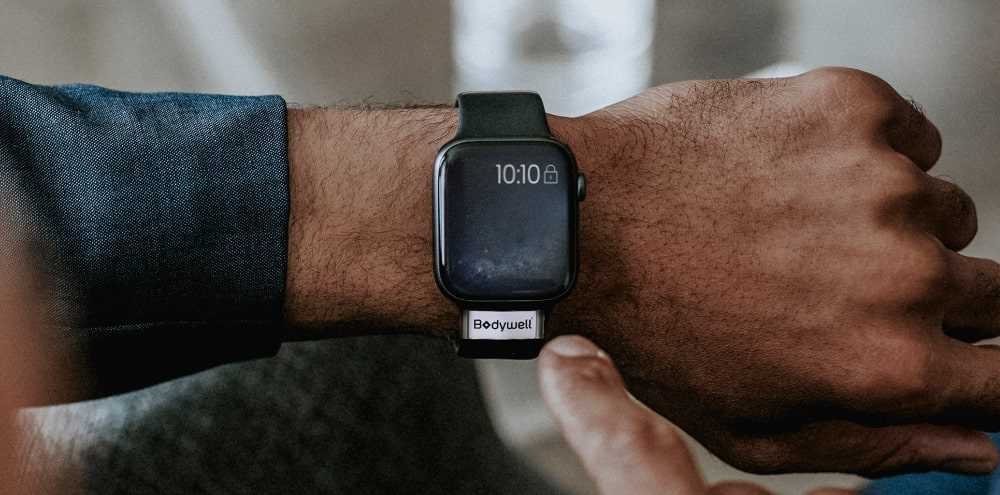
Wearing a timepiece can indeed lead to discomfort in the forearm if it is improperly fitted. A model that is too tight can restrict blood circulation, causing numbness or a tingling sensation. Aim for a snug fit that allows for slight movement; you should not feel any pressure or indentation on the skin. Regular adjustments may be necessary, especially when transitioning between different modes of dress or activities.
The material and weight also play significant roles. Heavy or stiff bands can lead to strain over prolonged periods. If you experience discomfort, switching to a lighter or more flexible strap may alleviate the issue. Consider alternatives such as fabric or silicone, which often provide better comfort compared to metal or rigid materials.
Other Contributing Factors
Pay attention to the placement of your accessory. If the device is positioned too close to your wrist joint, it may limit mobility, resulting in soreness or fatigue during daily activities. Experiment with positioning to find a comfortable spot that does not interfere with movement.
Signs and Solutions
Awareness of signs such as lingering discomfort, swelling, or any visible changes in your skin is vital. If you encounter any of these symptoms, you should consider removing the item for a duration and consulting a healthcare provider if discomfort persists. Regular breaks and alternating wrist usage can also help to mitigate strain.
How Watch Weight Influences Hand Discomfort
Opt for a lighter timepiece to reduce the likelihood of discomfort in your extremities. Heavy models can exert excessive pressure on the wrist and surrounding soft tissues, leading to fatigue and soreness. Evaluating the weight of your accessory is crucial for long-term wearability.
Those who frequently engage in physical activities might benefit from a lightweight alternative, as it minimizes strain during movement. Transitioning to a model under 50 grams can enhance comfort, particularly for individuals with sensitive skin or pre-existing conditions.
Materials like titanium or resin often yield a more pleasant wearing experience than stainless steel or ceramic. Experiment with different compositions to identify which ones provide the best relief while meeting aesthetic preferences.
Adjust the fit as well; a loosely fitted timepiece can shift during daily activities, increasing the potential for chafing or discomfort. Straps should offer a balance between security and ease, ensuring that the item lies flat against the skin without pinching.
Take frequent breaks during prolonged usage to allow the area to rest. This not only mitigates direct impacts from the weight but also promotes circulation, which can alleviate any signs of irritation.
Impact of Watch Size on Wrist and Hand Symptoms
Choosing the correct dimensions for a timepiece is imperative to avoid discomfort. A model that fits properly minimizes pressure and friction on the skin and underlying structures.
Consider the following factors regarding watch size:
| Factor | Recommendation |
|---|---|
| Diameter | Opt for a timepiece that is proportionate to your wrist circumference. A larger diameter may restrict movement and contribute to discomfort. |
| Thickness | A thicker model can create bulk that may lead to irritation during daily activities. Keeping the thickness reasonable enhances comfort. |
| Case Shape | Curved backs provide a better fit against the skin compared to flat cases. This design helps in reducing pressure points. |
| Band Width | An appropriately sized strap ensures even weight distribution; excessively wide bands on smaller wrists can cause unnecessary pressure. |
Regular adjustments may be necessary to maintain a pleasant fit as body temperature and activity levels change. A snug but not overly tight adjustment will promote circulation while preventing localized stress.
Consult guidelines for selecting an appropriately sized accessory based on wrist measurements for optimal comfort during use. Selecting a piece that suits your wrist dimensions can help mitigate potential discomfort significantly.
Material Allergies: Can Your Watch Cause Irritation?
Choose hypoallergenic materials to minimize the risk of skin reactions. Stainless steel, titanium, and high-grade ceramics are often better tolerated by sensitive skin.
Common allergens include nickel, often found in cheaper metal components. If you experience red, itchy, or inflamed skin, consider switching to non-allergenic options.
- Stainless Steel: Look for pieces labeled as “surgical grade” or “316L,” which contain less nickel.
- Titanium: This metal is lightweight and resistant to corrosion, making it a top choice for sensitive skin.
- Silicone: Often used in straps, it’s flexible and can reduce friction and irritation.
- Ceramics: Hypoallergenic and scratch-resistant, ceramic models provide comfort without adverse reactions.
Conduct a patch test with materials by wearing small samples against your skin for several hours. This approach helps identify specific sensitivities before committing to long-term wear.
Regular maintenance of the device is crucial. Dirt, sweat, and lotion build-up can exacerbate irritation, so clean the interface and strap frequently with mild soap and water.
Consult with a dermatologist if irritation persists. They can offer tailored advice on compatible materials and recommend appropriate treatments for allergic reactions.
Watch Positioning: Does It Affect Nerve Health?
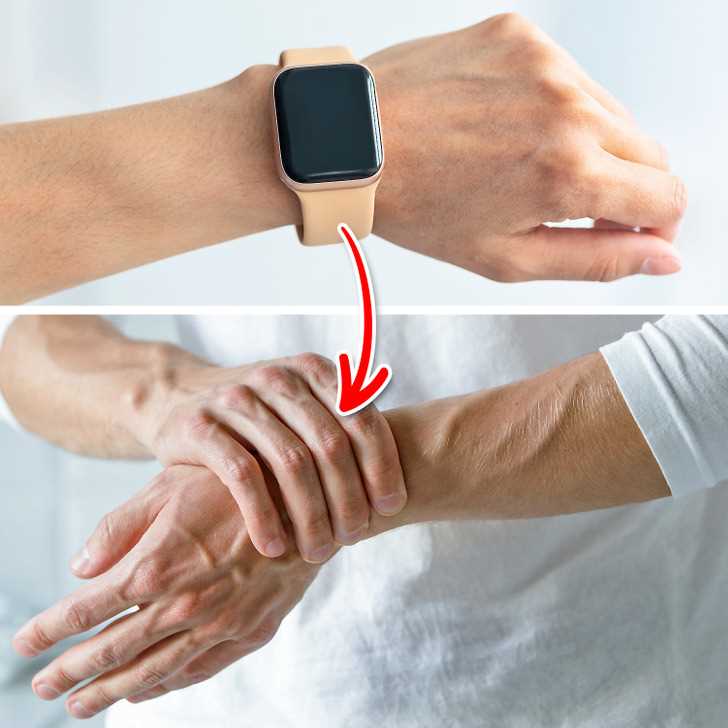
Proper placement of a timepiece plays a significant role in maintaining nerve health. Frequent adjustments to the positioning can help mitigate discomfort. To enhance well-being, consider the following recommendations:
- Monitor the watch’s fit. Ensure it is not too tight to avoid compressing nerves in the wrist.
- Position the accessory slightly higher on the arm, just above the wrist bone, to alleviate pressure on sensitive areas.
- Alternate wearing styles. Switch between left and right hands to evenly distribute pressure and reduce localized strain.
- Evaluate usage patterns. Extended, passive pressure on the arm may contribute to nerve irritation. Be proactive in checking the watch’s placement throughout the day.
Regularly assess how you position your timepiece during various activities. For instance, if engaging in tasks that demand hand movement, ensure the accessory does not hinder circulation or nerve function.
Signs of Nerve Compression
Be aware of symptoms that may indicate issues related to nerve compression from watch positioning:
- Numbness or tingling sensations in the fingers.
- Weakness in grip strength.
- Radiating discomfort traveling up the arm.
Adjustments for Improved Comfort
Implementing minor changes can significantly improve comfort:
- Occasionally remove the accessory throughout the day to allow circulation to normalize.
- Consider shorter strap options or different styles that allow greater flexibility and movement.
- Experiment with different materials that reduce friction and moisture buildup to prevent irritation.
By maintaining awareness of positioning and making adjustments as needed, individuals can support nerve health and enhance overall comfort while wearing. Regular evaluations and mindful practices lead to a more enjoyable experience.
Long-Term Wear: Risks of Chronic Discomfort from Timepieces
Prolonged usage of a timekeeping device can lead to chronic discomfort in the extremities. Individuals should periodically assess how their accessory fits and adjusts to prevent persistent aches.
Excessive tension from tight bands can impede blood flow and create pressure points, contributing to discomfort over time. It’s advisable to ensure that the strap is snug yet allows for slight movement and circulation.
Heavy designs may also exacerbate issues, leading to strained muscles and tendons. Opt for timepieces with a moderate weight, particularly for daily activities.
Regular breaks from wearing these accessories can alleviate pressure and promote better circulation, ultimately reducing the chances of developing ongoing sensitivity. Aim for intervals where the extremities can recover and rest without restriction.
Monitoring existing conditions, such as arthritis or carpal tunnel syndrome, is essential. Consulting with a healthcare professional can provide tailored strategies to mitigate risks and address existing discomfort.
Incorporating gentle stretches and mobility exercises for the arm and wrist may help prevent the onset of chronic issues. Such practices can enhance flexibility and reduce tension in the muscles and tendons surrounding the area affected by frequent accessory wear.
Choosing the Right Timepiece for Your Well-Being
Select a model that fits snugly without constriction. Measure your wrist to determine the ideal band length, avoiding excess material that can create pressure points.
Opt for lightweight materials such as titanium or specific types of plastic. Heavy designs increase fatigue and discomfort with prolonged use.
Consider an ergonomic shape. Curved backs conform to your skin’s natural contour, minimizing irritation and allowing for better circulation.
Evaluate the size of the dial and casing. A larger face may not only impact aesthetics but can also restrict movement, leading to soreness.
Choose hypoallergenic materials if you have sensitive skin. Stainless steel, ceramic, and certain rubber compounds reduce the risk of allergic reactions that lead to irritation.
Adjust wearing position. Position the clasp just below the wrist bone, ensuring it sits firmly without pinching the skin or compressing nerves.
Limit duration of consecutive wear. Take breaks to alleviate pressure and give your skin a chance to recover from any potential stress.
Experiment with different wrist placements, as some prefer lower on the forearm or near the elbow. This can help reduce compression on specific nerves.
For tech-enhanced models, assess the bulk of any additional features. Bluetooth connectivity and extra sensors can add significant weight; thus, consider their necessity against comfort.
Ultimately, make adjustments based on personal comfort levels and monitor for any developing discomfort. Regular evaluations ensure ongoing hand wellness.



