
 Ethan Cole

To ensure comfort and style, measure the circumference of your arm just above the bone in your wrist using a flexible measuring tape. This precise measurement allows for selecting a timepiece that sits securely without excessive looseness or tightness.
Consider the case diameter as well. A commonly accepted ratio is to opt for a timepiece whose case size is about half of the wrist measurement. For example, a wrist measuring 6.5 inches typically pairs well with a case diameter of 30-36 mm. For larger dimensions, such as 7.5 inches, a case diameter of 38-42 mm aligns better.
Material and strap style also significantly impact the overall experience. Metal bracelets provide adjustability, while leather bands often offer a classic aesthetic. Remember to account for clasp types, as they can affect both ease of wear and personalization of sizing.
Don’t overlook the functionality aspect either. Features like adjustable clasps or links enhance the customizability of your choice, ensuring a snug and personal fit tailored to your unique dimensions.


Finding the Right Size for Your Timepiece
For those seeking a suitable accessory for their arm, it’s important to focus on both measurement and style. Start by measuring the circumference of your arm just above the wrist bone using a flexible tape or a piece of string. Note this measurement in millimeters to assist during selection.
Next, consider the case size of prospective timepieces. A smaller wrist generally pairs well with cases between 34mm to 38mm, while larger frames can accommodate cases from 40mm and above. Pay attention to the thickness of the watch as well, as thicker models may appear bulkier and affect overall comfort.
Strap Considerations

Strap type plays a significant role in comfort and appearance. Leather or fabric bands can be more flexible, while metal bracelets might require adjustments for accurate sizing. Always opt for models with adjustable clasps to ensure snug yet comfortable wear.
Visual Balance
Aesthetics should not be overlooked. Select a timepiece that complements your personal style and creates a balanced look. Test a model for a few hours to determine if it stays comfortably in place without excessive movement or tightness.
Measuring Your Wrist Size Accurately
To obtain an exact measurement, use a flexible measuring tape. Wrap the tape around the area of interest gently, ensuring it is snug without any tightness. Record the length where the tape overlaps. If a tape isn’t available, a piece of string or paper can serve as an alternative; mark the length by noting where it meets, then measure it against a ruler.
Determining the Size Category
After acquiring the measurement, categorize it into small, medium, or large sizes. Typically, a circumference of 6 to 6.75 inches indicates a small size, 7 to 7.5 inches represents medium, while sizes above 7.5 inches are often considered large. Verify specific brand sizing charts for more accurate classifications.
Account for Comfort
Consider adding 0.25 to 0.5 inches to the measurement for comfort, especially if opting for a tighter design. This additional space allows for movement and flexibility, leading to a more pleasant wearing experience.
Understanding Watch Dimensions and Fit
Focus on the lug-to-lug distance and case diameter for optimal comfort. These measurements significantly affect how the accessory sits on your arm.
Typical case sizes range from 34mm to 50mm, while lug-to-lug distances can vary from 40mm to over 60mm. A more compact case benefits smaller arms, while larger cases provide a bold appearance for bigger frames.
Refer to the table below for common watch dimensions and suitable arm sizes:
| Case Diameter (mm) | Lug-to-Lug Distance (mm) | Recommended Arm Size (cm) |
|---|---|---|
| 34 – 36 | 40 – 42 | 14 – 15.5 |
| 37 – 40 | 42 – 46 | 15.5 – 17 |
| 41 – 44 | 46 – 50 | 17 – 18.5 |
| 45 – 50 | 50+ | 18.5+ |
Proper orientation of the strap also influences how the piece embraces your arm. A straight strap appears streamlined for smaller proportions, while a tapered design may suit larger sizes better.
Ultimately, test several styles and dimensions until the right accessory aligns perfectly with your arm for both comfort and aesthetic appeal.
Choosing the Right Watch Band Type
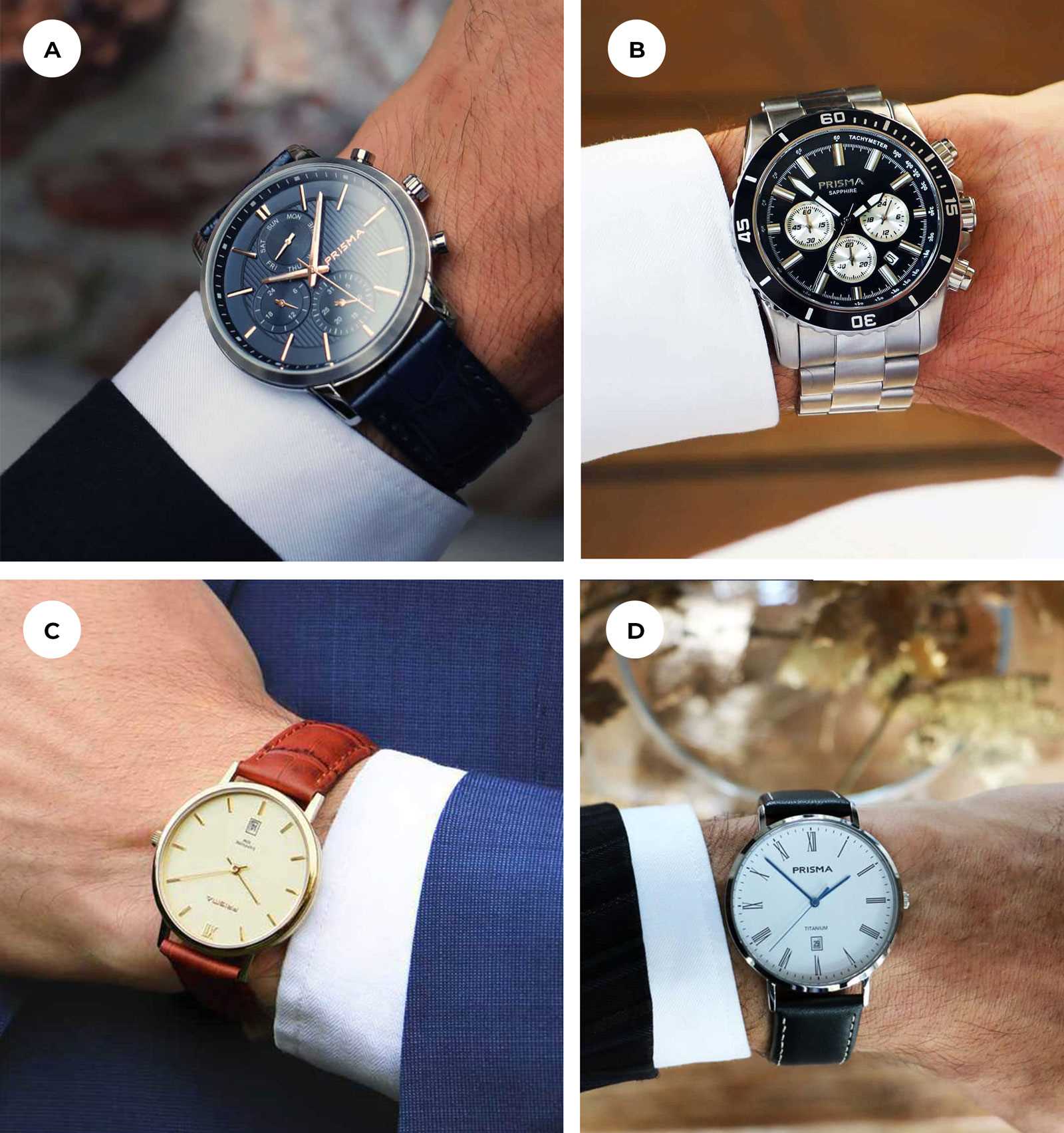
Select a band crafted from materials you prefer for comfort and durability. Leather combines elegance and softness, while metal options offer robustness and sophistication. Fabric or silicone bands provide a sporty feel and breathability, especially suitable for active lifestyles.
Assess thickness and width. A slimmer band may suit those with slender arms, while wider styles can balance larger frames. Adjustable bands ensure snugness, preventing movement during daily activities.
Consider the fastening mechanism. Buckles offer customization in sizing, while deployment clasps simplify on-and-off actions. Magnetic bands provide a unique and flexible fit, adjusting seamlessly to varying arm dimensions.
Examine the style. Dress bands elevate formal attire, while casual or sport bands lend a relaxed vibe. Ensure synergy with your overall look, enhancing personal expression.
Lastly, pay attention to brand offerings. Some manufacturers have specific sizing systems, so be aware of compatibility with your chosen model. Always check return policies, allowing exchanges if the selection doesn’t meet expectations.
Adjustable Features in Timepieces
Opt for models with adjustable features to ensure a comfortable embrace around your arm.
- Expandable Bracelets: Consider designs with expandable or stretchable bands crafted from materials like silicone or rubber for flexibility.
- Link Bracelets: Look for timepieces equipped with removable links, allowing you to customize the length for optimal snugness.
- Velcro Straps: Choose options that utilize Velcro, facilitating easy size modification, perfect for varying daily wear.
- Pin Buckles: Select pieces with pin buckles that allow for precise adjustments without the need for specialized tools.
Prioritize attributes that enhance adjustability, enabling a secure and pleasant experience on any occasion.
Popular Brands with Custom Fit Options
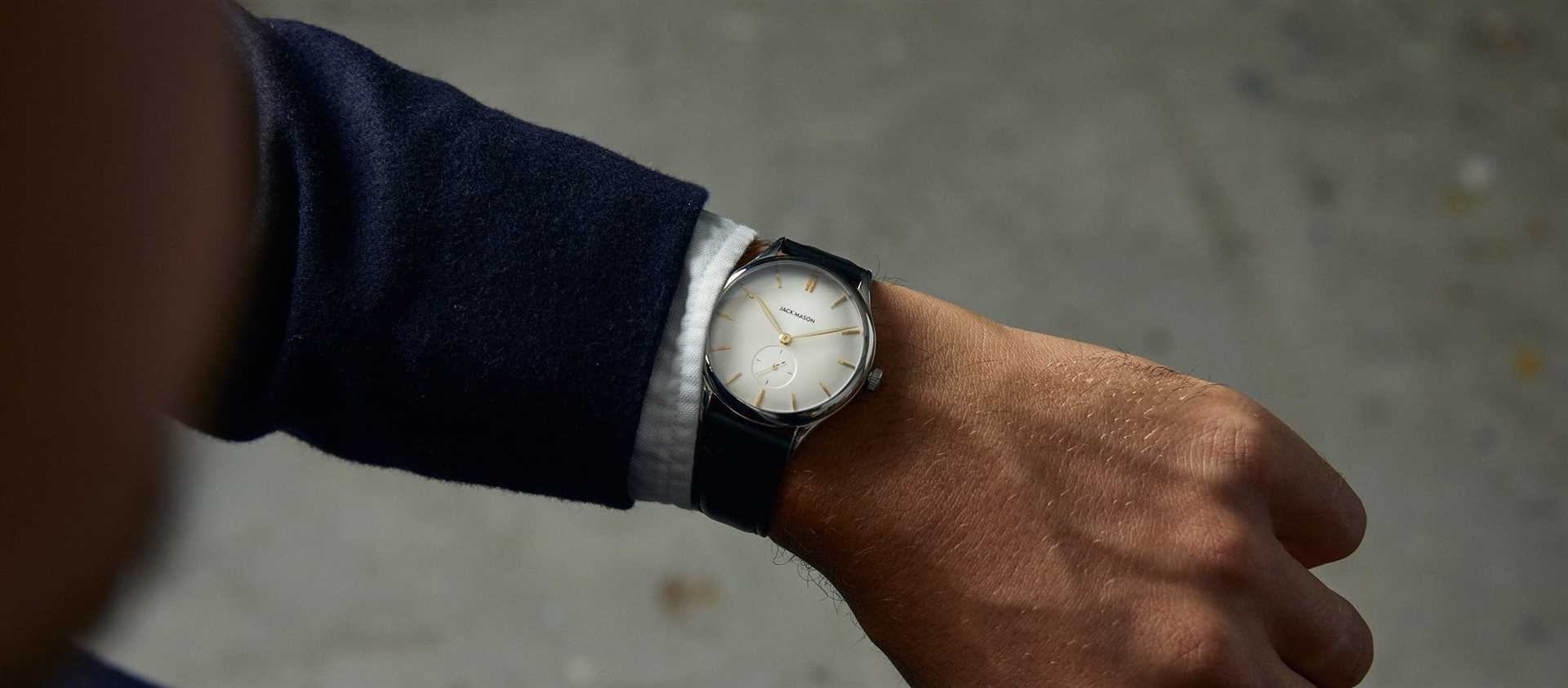
Several renowned brands offer customizable solutions for personalization to achieve a snug grasp. Consider the following options:
- Tag Heuer: Known for precision, Tag Heuer provides adjustable bands on various models, accommodating different sizes.
- Tudor: This brand features micro-adjustable clasps on select pieces, allowing fine-tuning for enhanced comfort.
- Seiko: Offers several series that include expandability in their bracelets, ideal for diverse hand sizes.
- Breitling: Famed for its pilot watches, Breitling provides interchangeable straps that cater to various measurements.
- Citizen: Many Citizen models include flexible bands that can be resized to suit individual preferences effortlessly.
Choosing a model from these brands not only ensures quality but also provides options to ensure optimal comfort levels. Always inquire about customization features to find the perfect match for personal style and sizing needs.
Tips for Trying on Timepieces In-Store
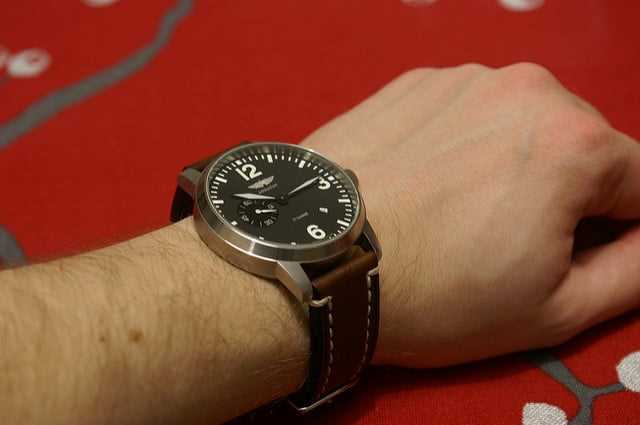
Before heading to a shop, wear fitted clothing that allows easy movement. It provides a clearer idea of how the accessory complements your overall style.
Ask the sales associate for a selection of different models to try on. This variety helps assess comfort and alignment with your aesthetic preferences.
Test the watch on both wrists. This ensures you find the most comfortable spot, as sometimes one side feels more natural than the other.
Consider the weight of the item. Heavier pieces can feel cumbersome, especially after extended wear. Ensure you’re comfortable, even if you plan to wear it all day.
Adjust the strap or band while trying on. Many shops have tools to modify sizing right away, allowing you to gauge how snug or loose you prefer it.
Pay attention to the position of the face. It should sit flat against your skin without sliding around. Look for a natural hand movement without obstruction.
Check for any irritations after wearing it for a few minutes. Even the slightest pressure can indicate an unsuitable design, so take note of comfort levels.
Use a full-length mirror to view the accessory from multiple angles. This helps determine if it complements your attire and looks appropriate for various occasions.
If possible, take a photo to visualize how it appears with your daily outfits. This can assist in decision-making after leaving the store.
Lastly, consult reviews or feedback on the specific model you’re interested in. Real-user experiences can highlight potential issues or advantages you might overlook in-store.



