
 Ethan Cole
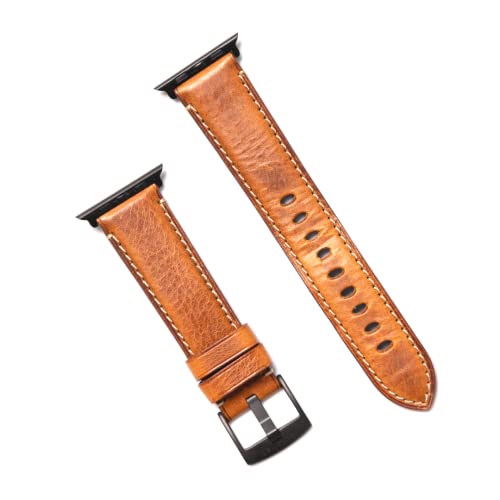
Regularly monitor your comfort while wearing fitness trackers or wearable technology on your arm. Many users report sensations of tightness or discomfort around their forearms, which can indicate that the device is placed too tightly or is otherwise poorly fitting.
Research indicates that prolonged pressure on the area can lead to potential complications. Frequent adjustments to strap tension can mitigate risks associated with constriction or repetitive stress on surrounding tissues.
Seek medical advice if you experience persistent numbness or tingling during usage. Maintaining proper ergonomics and being mindful of how the accessory fits can alleviate negative effects, promoting a healthier experience while enjoying your device’s features.
Impact of Wearable Tech on Wrist Sensations
Continuous use of fitness trackers or wearable devices can lead to discomfort or symptoms resembling neuropathy. To mitigate potential issues, ensure the device is fitted correctly and not too tight. Regular adjustments throughout the day can help alleviate pressure on surrounding tissues.


Symptoms to Monitor
Users may experience tingling, numbness, or pain in the forearm and hand. If such sensations develop, consider adjusting the device’s position or opting for a different style that distributes weight more evenly. Taking breaks every hour can also reduce strain.
Preventive Measures
Engage in wrist and hand stretches during prolonged wear. Keep the area clean to avoid irritation from sweat or debris. Consultation with a healthcare professional is recommended if discomfort persists, as early intervention may prevent further complications.
| Symptom | Recommended Action |
|---|---|
| Tingling | Reposition or loosen the band |
| Numbness | Take a break and stretch |
| Pain | Consult a healthcare provider |
Understanding Nerve Compression in the Wrist
Limit the duration of wearing tight accessories around the lower arm to reduce pressure on the median, ulnar, and radial pathways. If discomfort arises, remove the item immediately for relief. Adjusting the fit can help alleviate undue tension on surrounding structures.
Recognizing Symptoms
Pay attention to tingling, numbness, or weakness in the fingers and hand. Persistent sensations may indicate ongoing compression. If symptoms worsen or become chronic, seek professional evaluation for proper diagnosis and treatment recommendations.
Preventative Measures
Strengthening wrist and forearm muscles can provide additional support, potentially minimizing risks of compression. Regular stretching exercises help maintain flexibility. Ergonomic adjustments at workstations are advisable to promote optimal wrist positioning.
How Smart Watch Design Influences Wrist Comfort
Choosing a wrist device with an ergonomic design is paramount for comfort. Look for models that minimize bulk and use lightweight materials, which can significantly enhance the user experience during prolonged wear. A slim profile conforms better to the natural contours of the arm, reducing pressure points that may lead to discomfort.
Material Selection
The choice of materials plays a crucial role in how a wearable feels on the skin. Soft silicone bands, breathable fabrics, or high-quality leather can provide increased comfort, especially during extended use. Avoid metal bands unless they have adjustable links or comfort padding to prevent chafing and irritation.
Adjustability and Fit
Opt for devices with multiple size options or adjustable bands to ensure a snug yet comfortable fit. A well-fitted band prevents excessive movement, which can lead to irritation or unnecessary pressure. A proper fit allows for easy airflow, reducing heat buildup, and improving overall comfort during everyday activities.
Symptoms of Nerve Issues Related to Wearable Device Use
Look for these signs that may indicate problems associated with prolonged usage of wearable technology:
- Tingling or “pins and needles” sensation in fingers or hand.
- Pain radiating through the forearm or into the hand.
- Weakness in hand grip or difficulty in performing tasks requiring dexterity.
- Numbness affecting the palms or individual fingers, especially the thumb and index finger.
- Temporary floating sensation or loss of coordination during movement.
If experiencing any of these issues, consider adjusting the fit or position of the device, taking regular breaks during use, and consulting a healthcare professional if symptoms persist.
Common Causes of Symptoms
Factors contributing to discomfort may include:
- Compression of sensitive tissues due to tight straps or improper positioning.
- Repetitive movements while interacting with the device or managing notifications.
- Inadequate wrist support during extended periods of use.
Awareness of these factors can help mitigate discomfort and maintain overall hand health.
Ergonomic Tips for Wearing a Smart Watch
Position the accessory slightly above the ulna bone to mitigate pressure on sensitive areas. This adjustment allows for better blood flow and reduces potential discomfort.
Adjust Strap Tension

Ensure the band is snug but not overly tight. A good rule is to fit two fingers between the strap and your skin. This prevents pinching and restricts nerve interactions.
Take Regular Breaks
Remove the device periodically during extended use to allow your skin and muscles to relax. Frequent intervals can alleviate tension and reduce cumulative strain.
Switch wrists occasionally to distribute pressure and give each side time to recover. Regularly alternating between left and right ensures both sides are engaged and prevents localized fatigue.
Monitor the size of the accessory; a bulkier style might exert undue pressure compared to a more minimalist design. Consider lightweight materials that enhance comfort without sacrificing functionality.
Opt for features that allow adjusting the angle of the display. Tilting the screen can reduce wrist bending, promoting a neutral position that aids in comfort and minimizes strain.
Potential Long-Term Effects of Continuous Use
Continuous engagement with wearable technology may lead to discomfort or complications over time. Notably, prolonged pressure on soft tissue can contribute to chronic pain, impacting everyday activities.
Common Outcomes from Extended Wear
Users may experience symptoms such as tingling or numbness in fingers, indicative of possible compression on adjoining structures. It’s advised to periodically adjust the device’s position to alleviate consistent pressure points. Regular breaks can also mitigate strain and enhance circulation.
Long-Term Recommendations
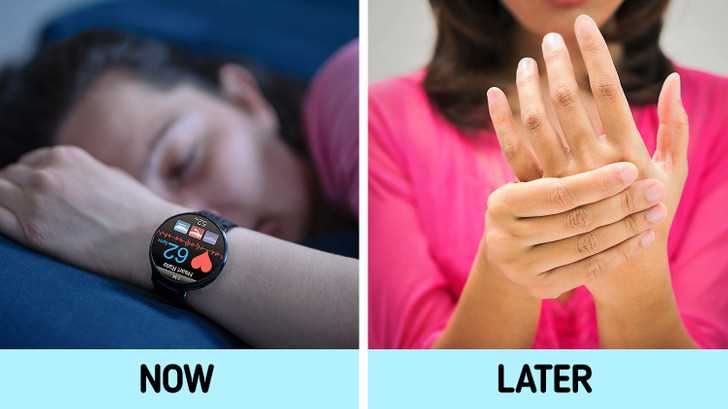
Incorporate stretches and exercises focusing on the forearm and hand muscles to counteract potential stiffness. Furthermore, selecting a device that offers adjustable features can promote a better fit, reducing the risk of adverse effects associated with long-term use. Awareness of posture while utilizing the gadget is crucial for maintaining comfort and overall hand health.
When to Seek Medical Advice for Wrist Pain
Consult a healthcare provider if discomfort persists beyond a few days or intensifies despite rest and adjustments. Sudden numbness, tingling, or weakness in fingers indicates potential underlying issues requiring immediate evaluation. If physical activities become difficult, affecting daily tasks, professional assessment is necessary.
Watch for symptoms such as swelling, redness, or warmth, which may signify inflammation or injury. Pain that occurs during specific gestures or movements signals the need for expert opinion. Experiencing shooting pain or a consistent ache after prolonged use suggests the possibility of damage that should not be overlooked.
If there are changes in circulation, such as cold or pale fingers, prompt consultation is advised. Pay attention to any changes in grip strength or coordination, as these can be indicative of significant concerns needing prompt intervention. Regularly reviewing symptoms with a specialist ensures appropriate care and guidance.
FAQ:
Can a smartwatch cause nerve damage in the wrist?
Potential nerve damage from wearing a smartwatch can occur, but it is quite rare. Factors such as how tightly the watch is worn, the materials used in the device, and the duration of use can contribute to discomfort or pressure on nearby nerves. If a smartwatch is worn too tightly or for prolonged periods, it may compress the nerves in the wrist, leading to conditions like carpal tunnel syndrome. However, most people can wear these devices without any issues if they are mindful of fit and comfort.
What symptoms might indicate that my smartwatch is affecting my wrist nerves?
Symptoms that suggest nerve issues due to a smartwatch may include numbness, tingling, or pain in the wrist or hand. You might also experience weakness in your grip or difficulty in movement. These symptoms can signify that you need to adjust how you wear your smartwatch—perhaps making it looser or taking breaks during prolonged use. If symptoms persist, consulting a healthcare professional is advisable.
Is there a recommended way to wear a smartwatch to avoid nerve problems?
To minimize the risk of nerve problems, ensure that your smartwatch is fitted comfortably. It should not be too tight around your wrist; a snug fit is adequate but should allow for slight movement. Periodically adjust the position of the smartwatch to avoid prolonged pressure on any specific area. Taking breaks from wearing the watch can also help, especially if you notice any discomfort developing.
Are there specific groups of people more likely to experience nerve issues from smartwatches?
Individuals who spend long hours typing or performing repetitive wrist movements are at a higher risk of developing nerve issues, particularly if they also wear a smartwatch. Additionally, those with preexisting conditions like diabetes or arthritis might be more susceptible to nerve compression symptoms. It’s important for these individuals to monitor how their smartwatch affects their comfort and to make adjustments as needed.
What should I do if I suspect my smartwatch is causing nerve pain?
If you suspect your smartwatch is causing nerve pain, the first step is to stop wearing it until the discomfort subsides. Pay attention to any changes in symptoms, and if they persist, consult a healthcare professional for an evaluation. They may recommend specific tests or exercises to help relieve the symptoms. Adjusting how and when you wear the device can also be beneficial in preventing recurrences of pain.


