
 Ethan Cole

Adjusting the fit of a timepiece is crucial to avoid discomfort in the lower arm. A snug but not tight setting should be the goal; excessive pressure can result in soreness or even numbness over time. Users should regularly check the positioning to ensure it remains comfortable throughout daily activities.
Choosing the right material also plays a significant role in comfort. For instance, alternatives like silicone or fabric can provide a softer touch compared to metal bands, reducing the likelihood of irritation on the skin. Those with sensitivity should consider hypoallergenic options to prevent allergic reactions that might lead to inflammation or discomfort.
Frequent switching between different styles may help to mitigate the risk of repetitive strain injuries. Wearing a less structured design during physical activities or opting for lighter models when possible can alleviate stress on the arm. Listening to one’s body when discomfort arises is key–adjustments or breaks may be needed to maintain optimal comfort.


Can Wearing a Watch Cause Wrist Pain
Reducing the tightness of the band serves as an immediate solution for discomfort. Adjusting the strap to a looser position may alleviate pressure on the skin and underlying structures, enhancing comfort during use.
Choosing materials free from allergens, such as hypoallergenic metals or breathable fabrics, contributes to a more comfortable experience. Individuals prone to skin sensitivity should consider options that minimize irritation.
Regularly alternating the side of the body on which timepieces are donned can also prevent undue stresses. This practice allows different muscle groups to engage and reduces the risk of repetitive strain injuries.
For those frequently engaged in activities involving hand or arm movement, opting for lightweight designs can mitigate fatigue. Heavier variants might contribute to muscle exhaustion and discomfort over extended periods.
Seeking mechanical adjustments or consulting with professionals ensures that the accessory fits correctly, reducing the likelihood of complications related to improper alignment or positioning.
Performing gentle stretching exercises for the forearm and hand can alleviate tension that might arise from prolonged usage. Incorporate routine breaks to promote blood circulation and prevent stiffness.
Monitoring any discomfort and proactively addressing factors such as fit, materials, and lifestyle choices will help maintain comfort and functionality while using timepieces. Taking these steps fosters a healthier relationship with wearable accessories.
Impact of Watch Weight on Wrist Discomfort
Opt for lightweight models to minimize discomfort during extended use. Heavy accessories tend to exert pressure, leading to fatigue and soreness. Materials such as titanium or resin offer a balance of strength and reduced weight, alleviating strain on the arm.
Assessing Appropriate Weight
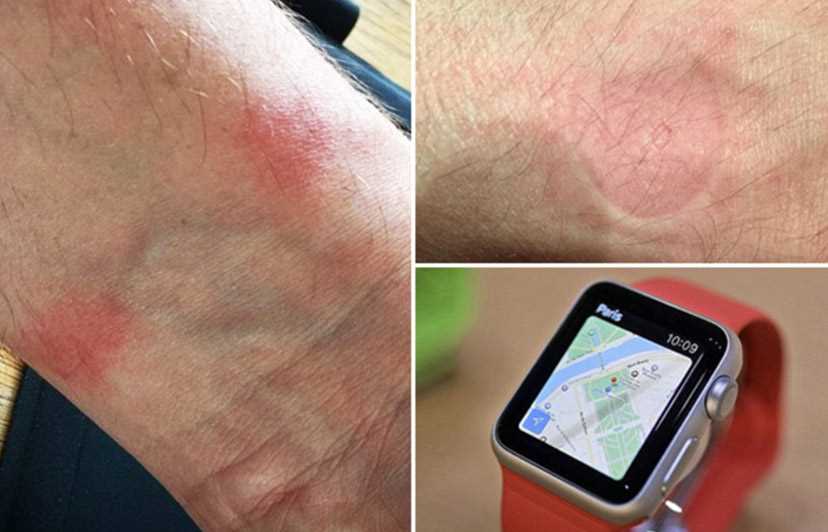
Finding a suitable weight involves understanding personal tolerance levels. Consider the average weight of commonly used timepieces, which ranges from 30 to 150 grams. Users should evaluate their comfort with various weights during everyday activities to determine what feels best.
Adjustment for Optimal Comfort
Ensure the fit is snug yet comfortable without excessive tightness; a well-fitted band helps distribute weight evenly. Regular adjustments may be necessary to adapt to changes in body size or skin conditions, further aiding in comfort and reducing any adverse effects on the arm.
Choosing the Right Watch Size to Prevent Discomfort
Select a timepiece that aligns with your wrist measurements. Oversized models may lead to irritation, while overly tight ones can restrict circulation.
Consider these factors:
- Case Diameter: Aim for a size that complements your wrist circumference. For smaller wrists, a case between 36mm and 40mm is often ideal.
- Thickness: Thicker watches can add pressure to the wrist. A slimmer profile tends to offer improved comfort.
- Strap Material: Choose breathable and flexible materials such as silicone or leather. Metal bands can sometimes pinch and cause discomfort.
- Adjustability: Look for bands that allow for easy size adjustments. A custom fit minimizes slippage and pressure points.
Testing for comfort is essential. Try on various models for a few minutes to assess if any areas feel restricted or irritated. Prioritize a model that feels secure yet not constraining.
Finally, remember that personal preference plays a significant role. Some individuals may prefer a heavier piece, while others benefit from a lightweight option. The key lies in selecting one that suits your lifestyle without compromising comfort.
Wrist Positioning and Watch Wearing Techniques
Adjust the positioning of the accessory snugly just above the bone to ensure comfort. This will reduce friction and pressure against sensitive areas of the arm. Maintain a straight posture while using the hand to prevent excessive strain.
Techniques for Comfortable Fit
Utilize these methods to achieve a more pleasant experience:
- Position the timepiece above the joint, allowing a small gap between the band and skin to facilitate air circulation.
- Experiment with different fastening techniques, such as a looser adjustment for extended periods of wear, especially during physical activities.
- Assess the use of softer materials for the band that can contour to the shape, reducing irritation on the skin.
Best Practices for Daily Use
Incorporate these daily practices for optimal comfort:
- Rotate the accessory to evenly distribute weight throughout the day.
- Take short breaks to relieve tension; remove the piece for a few minutes if discomfort arises.
- Engage in hand stretches and exercises to increase blood flow and relieve tightness resulting from prolonged use.
| Technique | Benefit |
|---|---|
| Adjustable Fit | Mitigates pressure on sensitive areas |
| Various Band Materials | Enhances comfort and reduces irritation |
| Regular Breaks | Alleviates accumulated tension |
| Hand Stretches | Promotes flexibility and circulation |
Materials Used in Timepieces and Their Effects on Skin
Opt for hypoallergenic materials like titanium or stainless steel to minimize irritation. These metals are less likely to provoke allergic reactions compared to nickel or other reactive alloys.
Silicone bands provide comfort and flexibility, making them suitable for extended use. However, excessive moisture accumulation may lead to rashes, so maintain cleanliness.
Leather options can be stylish but might irritate sensitive skin. Choose natural leather which allows breathability and reduces the likelihood of discomfort. Synthetic alternatives may avoid animal-derived allergens but can trap moisture.
Avoid bulky clasps and sharp edges. Smooth finishes and ergonomic designs help reduce skin friction, especially during movement.
Regularly check for signs of irritation or allergic reactions. Switching materials at the first sign of discomfort can prevent further issues.
Consider the environmental factors, as extreme temperatures can affect how materials react against the skin, causing potential irritation.
When to Seek Professional Help for Wrist Discomfort
Consult with a healthcare provider if symptoms persist beyond a few days or worsen despite rest and self-care. Look for signs such as swelling, redness, or warmth around the joint, which may indicate inflammation or an underlying condition that requires attention.
Signs of Serious Issues
Immediate evaluation is necessary if experiencing severe, sharp sensations or limitations in movement. Also, if tingling or numbness radiates to the fingers, this may signify nerve involvement and should be addressed promptly.
Long-Term Discomfort and Functional Impact
If irritation interrupts daily activities or affects the ability to perform routine tasks, seeking expert opinion can help identify potential causes and appropriate treatment options. Chronic symptoms should not be ignored, as they may indicate conditions like tendinitis or carpal tunnel syndrome.


