
 Ethan Cole

For those who are accustomed to the tradition of adorning the left side, consider breaking the norm by placing your timepiece on the non-dominant side. This choice not only enhances comfort but also offers practical benefits. Left-handed individuals often opt for this arrangement to prevent interference with daily activities, while right-handed wearers can enjoy a different aesthetic and functional approach.
Research indicates that a sizable portion of people has embraced this unconventional practice, with many citing increased ease of use and a unique style. Some professionals in various fields have adopted this preference to avoid clashing with equipment or tools used frequently in their line of work.
When considering the placement of your accessory, think about the movement and accessibility. Switching sides can also allow for a more relaxed fit since the strap can conform better to the contours of your wrist. If you decide to experiment with this layout, select a design that not only fits comfortably but suits your personal style, ensuring you feel confident while checking the time.


Wearing Timepieces on the Opposite Arm
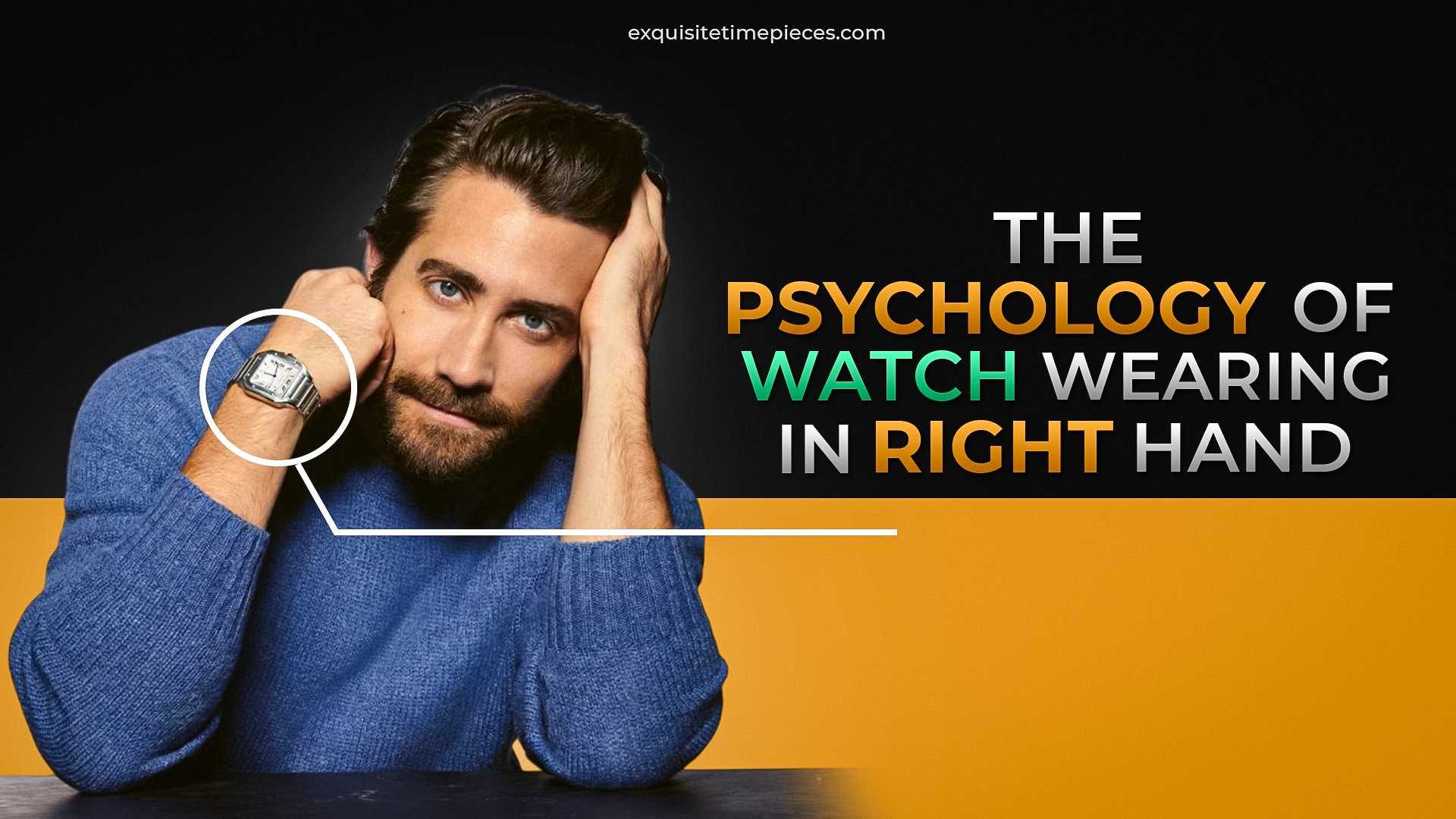
Choosing to place a timekeeping device on the alternate arm is entirely acceptable. This decision often depends on personal comfort and style preferences. Individuals who are left-handed frequently opt for this arrangement, as it helps avoid accidental scratches or damage when using their dominant hand. Moreover, some enjoy the aesthetic balance it brings to their appearance.
Style Preference and Functionality
The positioning of a timepiece can reflect one’s personal style. Sporty designs may suit left-arm placement for active individuals, while formal styles often complement a more traditional right-arm wear. Additionally, the functionality of the piece could affect the choice; features such as a chronograph might be more accessible when positioned differently based on the user’s habits.
Considerations for Placement
| Aspect | Left Arm | Right Arm |
|---|---|---|
| Comfort | Dominant hand users may find less interference. | Non-dominant users might have added convenience. |
| Style | Sporty models often preferred on the left. | Classic designs may favor the right. |
| Functionality | Easier access for left-handed tasks. | Right-hand functions may be enhanced. |
Ultimately, the preference for wearing a timepiece on either arm should prioritize comfort and individual expression. There are no strict rules governing this choice; instead, it’s about what feels best for the wearer.
Understanding Watch Design and Functionality
Choosing the correct placement for a timepiece depends on its design and intended use. Timepieces with an oversized face or complex features are typically better suited for placement on the opposite side due to visibility and accessibility.
Comfort is paramount; ensure the fit is snug but not tight. Adjustments may be necessary if the device has a metal band or multiple links. A secure fit aids in functionality, allowing for accurate readings without obstruction.
For active lifestyles, consider models designed for sport. These often include additional features like heart rate monitors or GPS. Such modifications may affect placement for optimal performance; therefore, experimentation is advised to find your preferred orientation.
Material also impacts usability. Plastic or rubber bands are lightweight and flexible, making them ideal for extended wear, while leather or metal offers durability and aesthetic appeal, benefiting from the right positioning.
Functionality can be enhanced by strategic placement. For instance, if the device includes touchscreen capabilities, accessibility may dictate a preference for the opposite arm, allowing for easier navigation. Evaluate your interaction habits to optimize effective use.
Lastly, aesthetics play a role in how a piece complements personal style. Choose colors and finishes that harmonize with attire. A cohesive appearance is achieved when the timepiece aligns with your fashion choices, allowing for self-expression while ensuring practicality.
Cultural Norms and Personal Preferences
Traditionally, many individuals opt to position timepieces on the left arm due to the prevalence of predominantly right-handed setups. This norm arises from convenience, as it allows for easier adjustments and viewing while engaging in daily activities. However, societal expectations are shifting as personal choices gain prominence.
Regional Practices
In various cultures, the customs surrounding accessory placement can differ significantly. For example, in some Asian nations, it is common for individuals to favor the opposite side, reflecting personal comfort or affinity towards specific styles. Understanding these regional distinctions can enhance appreciation for diverse practices.
Individual Style and Functionality
Personal expression often plays a critical role in deciding accessory placement. Some prefer positioning items on the less dominant side for a unique aesthetic or to showcase designs. Additionally, practical considerations like wearing gloves or engaging in specific activities may dictate the choice. Ultimately, the preference should align with comfort, style, and functionality rather than mere tradition.
Adjusting the Watch for Right-Hand Wearers
Position the timepiece on the opposite limb for optimal comfort and accessibility. Adjust the band to ensure a snug fit that allows for movement without restriction. Consider the following adjustments:
- Examine the closure mechanism. If it’s a clasp, ensure it’s easy to manipulate with the dominant side.
- Tighten or loosen the strap to avoid slipping or pinching during daily activities.
- Choose a location on the forearm that aligns with your wrist’s natural motion.
For timepieces with complications, such as chronographs or calendars, familiarize yourself with their functions to enhance usability. Proper orientation may require flipping the dial if it features a distinctive shape or design.
In addition, consider the weight of the timepiece. A lighter variant may be preferable for wearers on the opposite side, as it reduces fatigue during prolonged use.
Finally, practice adjustments regularly to ensure the accessory remains secure and functional, regardless of physical activity or environment.
Types of Timepieces Suitable for Right-Hand Wear
Individuals who choose to don their accessories on the right appendage can opt for several styles that prioritize comfort and functionality. Chronographs are a robust choice due to their durable build and sporty design, allowing for easy manipulation of functions regardless of placement.
Another excellent selection is smart devices, often designed with customizable interfaces and touchscreens that can be adjusted for left or right orientation. This adaptability makes them practical for everyday use.
Fashionable Options
Dress models can be elegantly suited for those who prefer sophistication. These pieces can feature a sleek profile, and when placed on the right, they stand out as a fashion statement. Options with a deployant clasp also streamline the wearing process.
Outdoor Gear
For those drawn to adventurous activities, rugged timekeepers designed for extreme conditions provide durability and readability. These often include enlarged dials and luminescent markers, ensuring visibility in various environments, making them suitable for right-side positioning.
Ultimately, selecting a design that harmonizes with lifestyle preferences while ensuring practicality can enhance both usability and style.
Impact on Daily Activities and Comfort
For those using an accessory on the right side, comfort and functionality can significantly change daily routines. Adapting to this choice often involves personal adjustments that accommodate the typical activities one engages in.
Activity Considerations
Engaging in various tasks can influence how comfortable it is to keep the accessory on the right side. The following factors play a role:
- Typing: Whether on a computer or mobile device, the position of fingers and wrist can affect typing speed and ergonomics.
- Sports: Certain physical activities, such as running or weightlifting, may require reassessing how the accessory feels during motion.
- Wearing additional accessories: If one opts for arm adornments, ensuring they do not clash or become cumbersome is essential.
Comfort Levels
Daily tasks can dictate comfort levels. Adjustments may be required for optimal fit and performance:
- Size: Proper sizing avoids discomfort; it should neither be too tight nor too loose.
- Material: Choosing breathable materials can prevent overheating and irritation.
- Adjustability: Having an easily adjustable mechanism can enhance the user experience, allowing for quick modifications as needed.
Cognizance of these aspects leads to a more enjoyable experience with the accessory, allowing individuals to go about their activities without hindrance. Prioritizing comfort while ensuring the functionality aligns with personal lifestyle preferences makes for a more satisfying choice.
Fashion Trends and Style Considerations
Opt for a timepiece that harmonizes with the attire and the occasion. For formal settings, a minimalist design with a metal bracelet or leather strap provides sophistication. In casual environments, vibrant colors or unique materials can enhance personal expression.
Size matters; choose a model that complements the wrist dimension. Smaller, slimmer designs suit delicate builds, while broader cases balance larger frames. Pay attention to the finishing–polished surfaces project elegance, while matte textures evoke a relaxed style.
Layering accessories is a trending approach. Combine bracelets or bangles with a timepiece for a chic look. Mixing metal finishes, such as stainless steel paired with gold, creates visual interest. Balance these combinations to avoid overwhelming the overall aesthetic.
Functionality influences choice. Sports styles with durable features appeal to active individuals, while sophisticated gadgets attract tech-savvy users. Evaluate lifestyle needs; for example, water-resistant models cater to outdoor adventurers, while classic designs suit office environments.
Color coordination plays a crucial role. Neutral shades remain versatile, while bold tones can make a statement. Contrast in between clothing and accessory colors ensures visibility without clashing. Consider patterns and prints; a classic timepiece complements vivid outfits, while intricate designs may clash with busy textiles.
Trends such as oversized cases and vintage influences remain popular. Research current fashions and invest in pieces that resonate with personal taste while aligning with contemporary styles. Remember that versatility enhances the lifetime of the accessory in one’s collection.
FAQ:
Is it socially acceptable to wear a wristwatch on the right hand?
Yes, wearing a wristwatch on the right hand is socially acceptable. Many people choose to wear their watch on their non-dominant hand, which often happens to be the right hand for left-handed individuals. Additionally, some people simply prefer the aesthetic or comfort of wearing a watch on their right wrist. Personal preference plays a significant role in this choice.
What are the benefits of wearing a watch on your right hand?
Wearing a watch on the right hand can offer several benefits. For left-handed people, it can be more practical, as it reduces the chance of knocking the watch against surfaces while writing or engaging in activities. From a comfort perspective, individuals may find it easier to check the time with their non-dominant hand. Additionally, it can help distinguish style, as wearing a watch on the right hand can be seen as unique or unconventional, allowing for personal expression.
Are there any downsides to wearing a watch on the right hand?
There are not many significant downsides to wearing a watch on the right hand, but some might argue that it can take some time to adjust if you are used to wearing it on the left. Additionally, certain watches might be designed specifically for left-hand wearers, potentially making them less comfortable on the right wrist. However, these issues are minimal and mostly depend on individual preference and comfort.
Do different cultures have specific norms regarding which hand a watch should be worn on?
Yes, cultural norms regarding watch-wearing can vary. In many Western cultures, wearing a watch on the left wrist is common, as most people are right-handed. However, in some Eastern cultures, it is not unusual for individuals to wear watches on the right hand. Customs can differ, and personal choice tends to take precedence, so it’s best to wear a watch in a way that feels comfortable for you, regardless of cultural norms.
What type of wristwatch is best suited for wearing on the right hand?
The best type of wristwatch for wearing on the right hand depends on personal preference and lifestyle. A simple, lightweight watch may be more comfortable for daily activities, while an elegant timepiece may suit formal occasions. Additionally, if someone is left-handed and engages in writing frequently, a watch with a durable strap might be ideal to withstand potential damage. Ultimately, the choice of watch should reflect the wearer’s style and needs.


