
 Ethan Cole

Fitting your timepiece securely is the first step in preventing accidental detachment. Consider adjusting the strap or chain length to ensure a snug yet comfortable fit. A too-loose accessory increases the chances of it slipping, especially during vigorous activities.
Regular maintenance plays a key role in ensuring the structural integrity of the clasp or buckle mechanism. Inspect these components frequently for wear or damage, as a faulty clasp can lead to unexpected losses. If necessary, consult a professional for repairs or replacements to keep your timepiece securely attached.
Selecting a model designed for physical activities can also enhance retention. Many brands offer sports variations with enhanced grip and secure fastenings, engineered specifically to withstand movement. Such choices minimize the risk of detachment during daily wear and while engaging in sports or exercise.
Finally, be mindful of situational awareness. Activities that involve flexible movements, like reaching over objects or engaging in high-impact sports, increase the likelihood of losing your accessory. Being conscious during such actions can help you avoid unfortunate incidents.
Can a Timepiece Slip Off Your Arm?
Ensure that your accessory remains securely fastened by regularly checking its fit. A properly adjusted band is key to preventing any unfortunate incidents. Consider these recommendations:
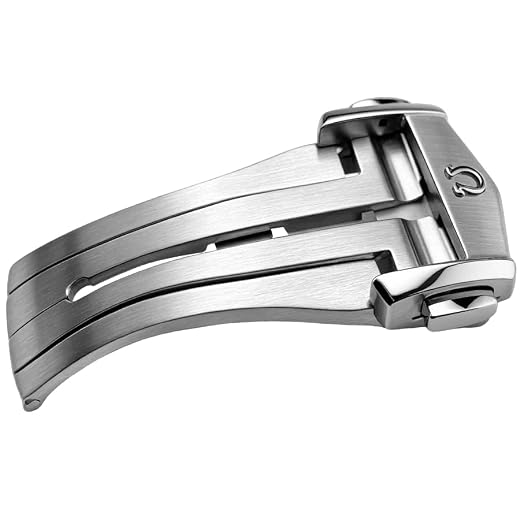

- Opt for a snug fit; it should rest comfortably against your skin without excessive tightness.
- Inspect clasps and buckles frequently for wear and tear. Replace any damaged components immediately.
- Consider investing in additional safety mechanisms, such as a deployment clasp, for added security.
Dress appropriately for activities that may increase the likelihood of losing an accessory. For example:
- Remove it during sports or vigorous physical activities to prevent unexpected dislodgement.
- Store it in a secure place when engaging in hobbies involving machinery or manual labor.
Finally, choose a strap material that suits your lifestyle. Consider durable options like silicone or leather that provide better grip and resistance to movement.
Common Causes of Timepiece Slippage
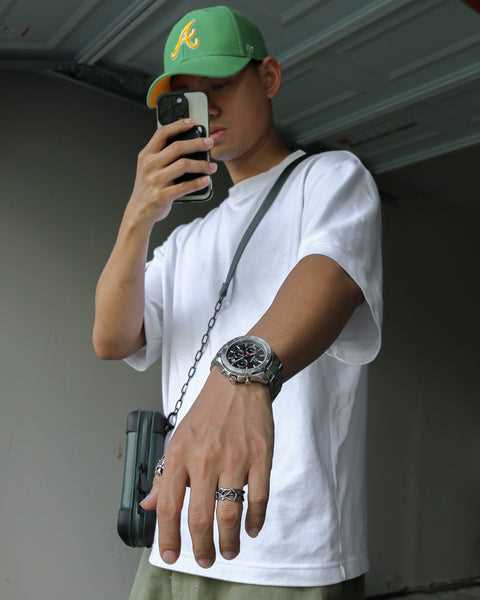
Ensure proper fit of the accessory by regularly adjusting the band size. An ill-fitting band can lead to unwanted movement, increasing the risk of disengagement during activities.
Wear and Tear
Over time, materials can deteriorate. Frequent usage and exposure to elements weaken straps and clasps. Inspect for signs of wear to avoid sudden release.
Physical Activity
Engaging in sports or vigorous motions may jostle the timekeeper, particularly if the securing mechanism is not robust. Opt for models designed for active use with secure closures.
Regular maintenance can prolong longevity. Revisit adjustment or repair options with a professional to maintain reliability and enhance performance.
Types of Watch Straps and Their Security
Choosing the right strap is crucial for ensuring that your timepiece remains securely attached. Leather straps offer a classic aesthetic, but they may stretch or wear over time, increasing the risk of an inadequate hold. Opt for high-quality leather and regularly check for signs of wear.
Metal bracelets, such as stainless steel, provide durability and stability. Ensure that the links are properly secured, as loose links can contribute to slippage. Regular maintenance, including cleaning and adjusting the fit, enhances their reliability.
Rubber and silicone options are excellent for an active lifestyle. They tend to grip better and resist moisture. Look for products with adjustable features to achieve a snug fit, preventing any chance of accidental removal during rigorous activities.
Nylon or fabric straps are lightweight and breathable. However, they can be susceptible to fraying. Select those with sturdy stitching and reliable fastening mechanisms to ensure they securely hold the device in place.
Quick-release pins on adjustable straps simplify changing while providing the flexibility to switch styles. Periodically inspect these mechanisms for any faults that could compromise security.
In any case, regardless of materials, regularly checking the fit is essential. Aim for a comfortable yet snug feel, ensuring that movement does not lead to potential loss. Prioritize security features specific to each strap type for long-term use.
How to Properly Size Your Timepiece for a Secure Fit
To achieve a snug fit, it’s recommended to measure the circumference of the area where the accessory will rest. Use a soft measuring tape for accuracy; if unavailable, a piece of string can suffice, followed by measuring the string against a ruler.
Adjustable Links and Micro-Adjustments
If the model features a metal or link band, adjusting the links is crucial. Most designs allow for the removal or addition of links to better fit the contour of your arm. Familiarize yourself with any instructions provided to ensure proper modification. Some bracelets also include micro-adjustments on the clasp, offering incremental size variations that can fine-tune the grip.
Choosing Appropriate Materials
Select materials that suit your daily activities. For instance, silicone or nylon straps often provide a more secure grip due to their flexibility compared to leather, which may stretch over time. Evaluate your lifestyle and choose a strap that compliments your needs while assuring a firm hold.
Tips for Preventing Timepiece Loss During Activities
Secure the band before engaging in any physical task. Ensure the clasp is fastened correctly to avoid accidental release.
Select Activity-Appropriate Straps
Opt for straps designed for specific activities, such as rubber or silicone when swimming, as these provide a snug grip. Avoid leather during intense workouts where sweat can compromise hold.
Regularly Check the Fit
Testing for comfort and tightness is key. Adjust the size with a professional to guarantee a snug yet comfortable fit. This minimizes the chance of slippage during movement.
Consider using additional tools like watch bands with silicone inserts or safety clips when participating in vigorous sports. These elements enhance adherence, ensuring stability during action.
Be aware of environmental factors; activities involving tools or equipment may increase the risk of dislodgment. Always inspect the timepiece post-activity to confirm it remains secure.
Finally, consider a protective case for extra security, especially during adventurous excursions. This adds an extra layer of safety against bumps and falls.
What to Do if Your Timepiece Detaches
Immediately retrieve the timepiece if it has slipped away. If unnoticed, check surrounding areas to ensure no damage has occurred. Inspect the device for any visible harm, ensuring the mechanism functions correctly after a fall.
Reattach and Secure
If the band has become loose, examine the clasp or fastening method. Ensure it engages firmly before re-wearing. If it remains faulty, consider replacing or repairing the strap for enhanced safety.
Assess Potential Risks
If the incident occurs during an activity, identify any factors that might have contributed, such as excessive movement or improper sizing. Adjust habits or equipment to prevent future incidents, ensuring a more secure experience during various endeavors.



