
 Ethan Cole

Utilization of adhesive substances, such as thermoplastic adhesives, can be a viable alternative for minor fixes on timekeeping devices. This method proves particularly useful for securing components that may have become dislodged or fractured. Ensure that the surfaces are clean, dry, and free of debris prior to application for optimal adherence.
Before proceeding, consider the potential drawbacks. Heat from the adhesive can cause damage to delicate parts or affect the internal mechanics. Always assess the nature of the damage and weigh the risks against the benefits. If possible, consult a manual or seek professional guidance if encountering complex issues.
Apply the adhesive sparingly to avoid overflow and ensure a clean finish. Allow adequate time for the bond to set properly. For enhanced strength, a secondary clamp may be beneficial during the curing period, providing increased stability.
Identifying Areas Suitable for Hot Glue Application
Focus on components requiring stabilization, such as loose casing elements or detached crown components, ensuring they align properly before applying adhesive. Examine plastic parts as they often bond well; however, avoid metal-to-metal contacts due to potential weak adhesion.
Common Areas for Adhesive Use


Consider attaching battery holders or securing minor internal components that do not undergo frequent movement. Ensure these areas are free of excess dust or oil for better adhesion and hold. Inspect connections that might require reinforcement yet are not under mechanical strain.
Precautions to Take
Heat sensitivity is a factor; avoid areas close to delicate electronics or areas integrated with quartz mechanisms. Monitor the amount of material applied; excessive amounts can disrupt functionality and increase the risk of blockage in moving parts.
Step-by-step guide to applying hot glue on wrist watch components
First, gather necessary supplies: a suitable hot glue gun, glue sticks, precision applicator tools, and cleaning materials. Ensure the work surface is clean and well-lit.
1. Prepare Components
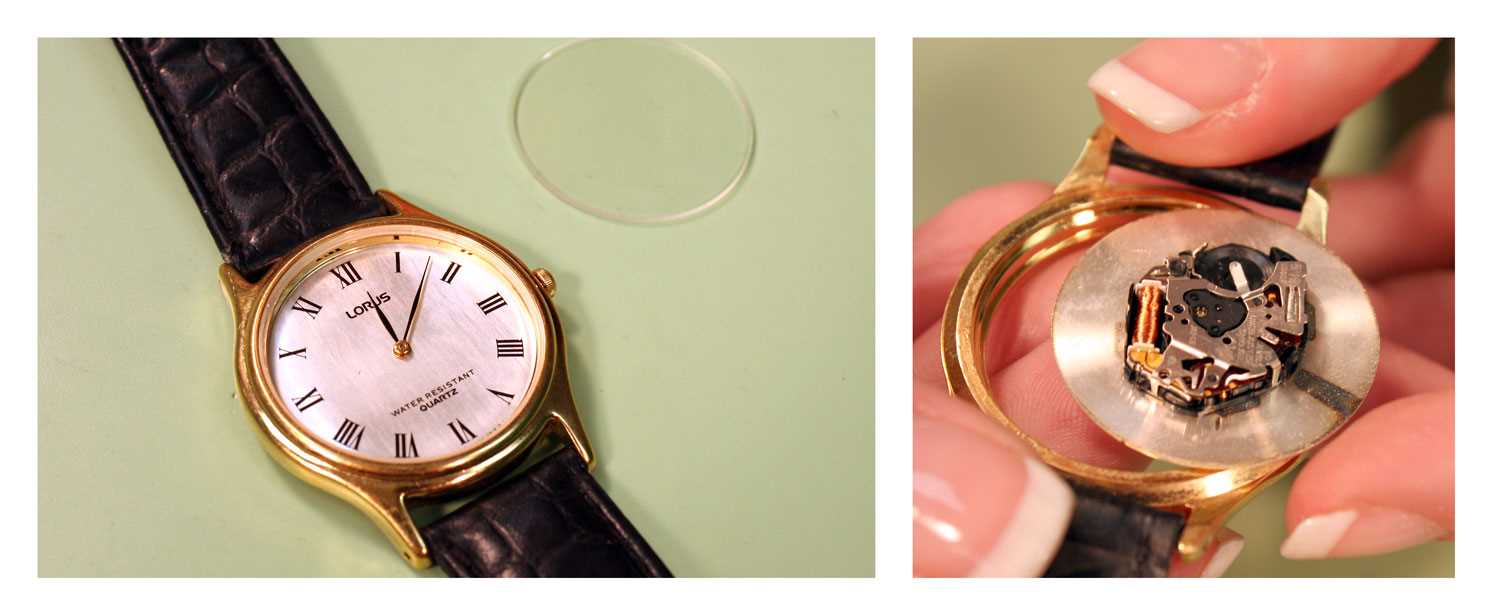
Disassemble the timepiece carefully, ensuring all components are laid out in order. Use a magnifying glass if needed to inspect each piece for damage or dirt and clean them thoroughly. This can enhance adhesion.
2. Application Process
Once the pieces are ready, plug in the glue gun and allow it to heat up until the glue begins to flow. Apply a small amount of adhesive to the area where components will be joined. Use the precision applicator for tight spots to control the quantity precisely. Press the parts together firmly but gently, holding them in place for a few seconds to allow initial bonding.
For porous materials, consider “pre-tacking” by applying a small line of adhesive and letting it cool slightly before reapplying for a stronger bond. Avoid excessive amounts, as this can lead to overflow and messiness.
Once each joint is set, let structures rest undisturbed for the specified curing time listed on the glue package before reassembling the entire mechanism. This ensures a durable hold and optimal performance.
Assessing the Durability of Adhesive Repairs in Timepieces
The longevity of adhesive interventions largely hinges on the materials of the specific components being treated. For non-strenuous sections, such as casing or decorative elements, such bonds may hold adequately well under normal usage. However, areas exposed to frequent movement or pressure, like joints and springs, may see a significant reduction in reliability.
Factors Influencing Repair Longevity
Several attributes affect how well the bond endures over time:
- Material Composition: Different metals, plastics, and ceramics exhibit varying adhesion properties.
- Environmental Conditions: Exposure to moisture, temperature fluctuations, and dust can weaken the adhesive bond.
- Mechanical Stress: Components that experience rotational or repetitive movements are more prone to failure.
Testing Adhesive Bonds
Prior to finalizing any fix, conduct a simple test:
- Apply adhesive to a small, inconspicuous area and allow it to cure completely.
- Gently apply pressure or simulate movements similar to normal usage.
- Monitor for any signs of separation or weakness.
| Component | Adhesive Suitability | Expected Durability |
|---|---|---|
| Case Back | Good | 6-12 months |
| Crystal | Moderate | 3-6 months |
| Crown | Poor | 1-3 months |
Regular inspections and assessments should be conducted to determine the ongoing integrity of these repairs. Awareness of the bond’s limitations facilitates informed decisions regarding maintenance and potential replacements in the future.
Potential risks and drawbacks of utilizing hot adhesive for timepiece repairs
Reliance on a thermal adhesive for fixing delicate components poses several threats that may outweigh perceived benefits.
Heat Sensitivity
- Excessive temperatures during application can damage sensitive internal mechanisms.
- Prolonged exposure to heat may alter the properties of certain materials, causing cracks or warping.
Bonding Issues
- While the bond is strong initially, it may weaken over time, leading to separation of parts.
- Adhesive can fail in high-moisture conditions, compromising the integrity of the assembly.
Potential for Residue
- Excess adhesive can create unsightly droplet formations on the surface, detracting from aesthetics.
- Residues can be challenging to remove, requiring additional cleaning methods that might cause further damage.
Difficulty in Disassembly
- Repairs may complicate future maintenance, as disassembly can be hindered by the adhesive.
- Professional repair technicians may face challenges evaluating and addressing previous fixes, leading to increased repair costs.
Weighing these drawbacks against the intended use of thermal adhesives is crucial for ensuring longevity and functionality of precision instruments.
Alternatives to hot glue for wrist watch repairs
Consider using epoxy resin for strong, permanent joins. It provides excellent bonding strength and is resistant to moisture, making it ideal for delicate components.
Screw fittings can be a reliable option for securing intricate parts. They ensure a tight fit and facilitate future disassembly for maintenance.
Silicone adhesive is another suitable choice, offering flexibility while maintaining a water-resistant seal. This property protects sensitive electronics within the timepiece.
For minor cosmetic fixes, double-sided tape may suffice. It’s easy to apply and doesn’t create a mess, but it may not withstand heavy use over time.
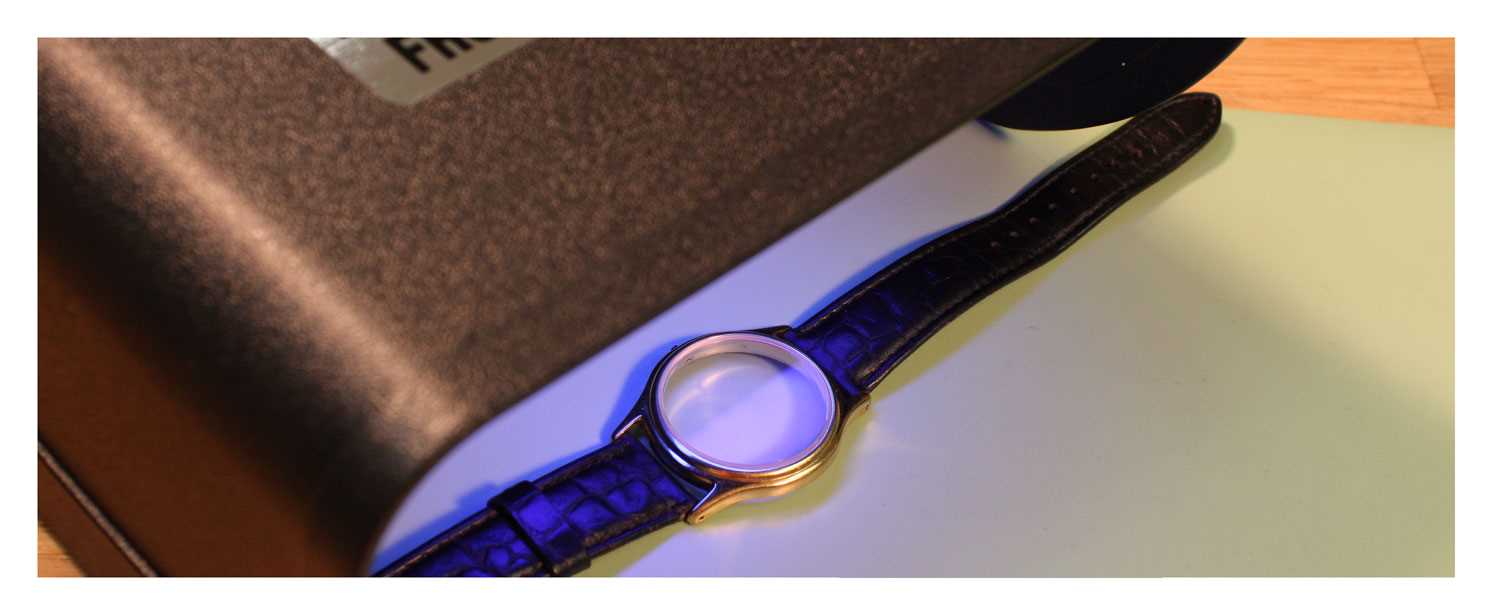
Professional-grade adhesive options, such as UV-curing glue, provide a robust solution. It hardens with exposure to UV light and ensures strong adhesion without the heat of traditional methods.
Lastly, consider using small clamps or braces for temporary holds during intricate work. These tools prevent movement and protect components from stress before a permanent solution is applied.



