Ethan Cole

It’s widely accepted that the origins of timekeeping devices for the wrist are closely tied to maritime practices. Evidently, early seafarers required accurate time measurement to navigate vast oceans. The challenges faced at sea prompted innovative solutions to keep track of time, leading to the development of portable time-measuring instruments.
Marine chronometers played a pivotal role in this evolution. These specialized devices were crucial for sailors in calculating longitude and maintaining safe passage. The ingenuity applied in crafting these chronometers laid the groundwork for what we now recognize as wearable time indicators, transforming how individuals appreciated and managed time on land.
As ship captains began using smaller, more convenient variants of these devices, the aesthetic and functional qualities of these small timepieces attracted attention. The transition from maritime use to personal adornment signifies a cultural shift, where functionality meshed beautifully with style, ultimately influencing fashion trends long into the future.
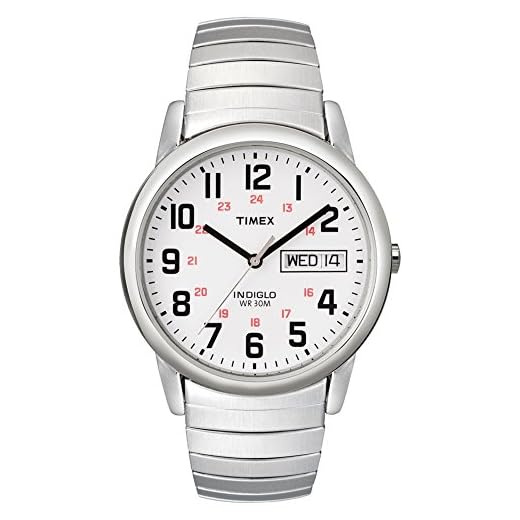
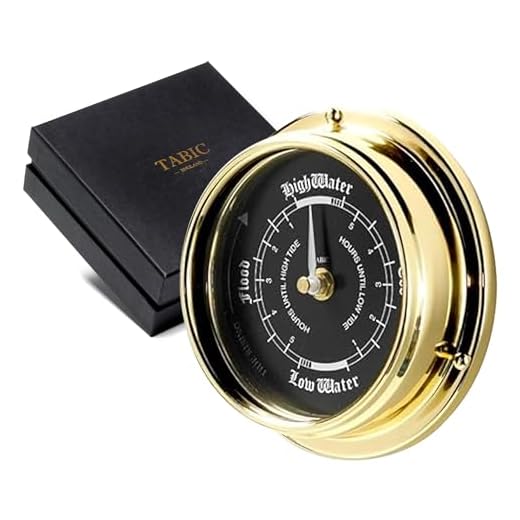

Wrist Timepieces and Nautical Origins
Research indicates that the terminology associated with portable timekeepers on the wrist was significantly influenced by marine instruments. These devices were essential for navigation, allowing sailors to keep accurate time while traversing the seas.
The transition to personal timepieces occurred in the 19th century. Creators sought to combine functionality and accessibility, leading to the creation of smaller, wearable versions of traditional pocket clocks.
Notably, the invention of strap-based mechanisms facilitated practical use during maritime activities. Sailors required easily readable time displays to ensure precise navigation amidst challenging sea conditions.
Additionally, horological craftsmanship evolved from ship-based innovations. The robust designs and waterproof features developed for marine clocks eventually influenced portable devices, merging artistry with practicality.
As maritime professions gained popularity, these compact devices became symbols of adventure and exploration, reinforcing the connection between timekeeping and nautical life.
In summary, the origin of terms related to wearable timepieces can indeed trace back to marine influences, reflecting the necessity of reliable timekeeping in both navigation and daily life.
The Origin of the Term “Wrist Watch”
The terminology associated with timepieces worn on the arm directly traces its roots to earlier designs. Originally, portable timekeeping devices were predominantly pocket-sized, designed for convenience and practicality. As the need for hands-free access escalated, particularly during the 19th century, these small instruments evolved into wearable formats.
In the 1860s, an innovative approach emerged, leading to the adaptation of timepieces for the wrist. The transition represented a significant cultural shift, primarily influenced by military needs, as soldiers required easier access to timekeeping devices during combat.
The term itself solidified as the adoption of these wearable time instruments became widespread. Factories and artisans began marketing these variations distinctly, leading to specific branding surrounding the arm-mounted models. Historical references indicate that the usage of this nomenclature paralleled significant advancements in watchmaking techniques.
By the 20th century, the designation became firmly established, signifying not only a functional tool but also a fashionable accessory. Over the years, feedback from users and collectors further refined the terminology, highlighting the transformative journey of portable timekeeping devices into respected pieces of craftsmanship.
Historical Context: Timekeeping at Sea
Accurate timekeeping has been paramount for maritime navigation since ancient times. Mariners relied on celestial bodies and rudimentary devices, but these methods often proved insufficient, leading to significant navigational errors.
The introduction of the marine chronometer in the 18th century marked a pivotal advancement. Created by John Harrison, this timepiece allowed sailors to determine longitude accurately. Its precision hinged on maintaining a stable rate, enabling navigators to calculate their position relative to time zones on land.
Key developments in maritime timekeeping include:
- Celestial Navigation: Utilized stars and the sun for positioning.
- Sand Glasses: Provided rough time estimates for measuring intervals.
- Mechanical Clocks: Early models improved reliability but struggled with accuracy at sea.
- Chronometers: Revolutionized navigation by allowing precise longitudinal calculations.
By the 19th century, the integration of advanced timekeeping devices into naval practice became widespread. Establishing time zones further streamlined global maritime operations, aligning schedules between distant ports.
Contemporary navigation still pays homage to these foundational advancements. Understanding the evolution of maritime timekeeping highlights its significant influence on modern horology and navigation technology.
The Role of Nautical Instruments in Time Measurement
Nautical instruments have long been indispensable for accurately measuring time at sea, which is vital for navigation. The marine chronometer, developed in the 18th century, stands out as a significant advancement. This device allowed sailors to determine longitude by comparing local time with Greenwich Mean Time, drastically enhancing maritime safety and exploration.
In addition to chronometers, devices such as sextants and octants played key roles in correlating time and positional data. The sextant, used to measure the angle between celestial bodies and the horizon, ensured precise calculations for navigation. Sailors often combined these measurements with timekeeping for effective route plotting.
The development of accurate timekeeping devices also led to a need for synchronization among vessels. Coordinated time standards became critical for fleets operating in distant areas, enabling better communication and strategy during missions. As a result, advancements in marine instrumentation paralleled the evolution of navigation techniques.
Eventually, these innovations influenced terrestrial timekeeping, leading to the creation of portable timepieces tailored for personal use. The quest for precise time measurement at sea drove technological innovations that reshaped the concepts of timekeeping, transitioning from bulky instruments to modern compact designs.
Understanding maritime time measurement not only highlights its historical significance but also showcases its impact on today’s personal timepieces. The legacy of nautical ingenuity continues to resonate in the design and functionality of contemporary portable timekeeping devices.
Influence of Naval Culture on Watch Design
Explore the profound impact of maritime traditions on the aesthetics and functionality of timepieces. Nautical design elements have become defining characteristics within horology, shaping the appearance and capabilities of these instruments.
Marine themes often manifest through the utilization of robust materials designed to withstand harsh conditions. Stainless steel, rubber, and sapphire crystal are prevalent choices, ensuring durability and water resistance. These materials are not only functional but also provide an appealing visual presence, reminiscent of maritime equipment.
The color palette inspired by the sea often includes deep blues, vibrant whites, and striking reds. These hues reflect the essence of nautical life and are common in watch dials and straps, creating a cohesive maritime aesthetic. Additional design features such as luminescent markers and hands echo the necessity for visibility during night navigation, further embedding naval practicality into modern pieces.
| Design Element | Nautical Influence</th | Modern Application |
|---|---|---|
| Materials | Resistance to corrosion and pressure | Stainless steel, rubber, sapphire |
| Color Palette | Reflects the sea and nautical themes | Blues, whites, reds |
| Luminescent Markers | Visibility in low light conditions | Used in dive and pilot timepieces |
Chronographs and rotating bezels serve as an homage to historical seafaring navigation tools, further integrating functionality with maritime heritage. These features are not merely ornamental but pay tribute to the precision required at sea, merging traditional craftsmanship with modern technology.
In essence, the naval culture not only influenced the physical attributes of timekeeping devices but also established a narrative that resonates with adventurers and enthusiasts alike. The continued popularity of nautical-inspired designs attests to the lasting impression of maritime traditions on contemporary horology.
Modern Interpretations of Maritime Timekeeping
Contemporary watchmaking reflects the enduring impact of seafaring traditions. Designers often incorporate nautical themes, materials, and functionalities into timepieces to honor this legacy. For instance, many models feature marine-grade stainless steel, ensuring durability against saltwater corrosion.
1. Nautical Features
- Water Resistance: Many models boast advanced water resistance ratings, allowing them to withstand extreme marine conditions.
- Regatta Timers: Certain designs integrate countdown timers specifically for yacht racing, showcasing the blend of craftsmanship and maritime utility.
- Compass Functions: Some timepieces include integrated compasses or gyroscopic systems, enhancing navigational user experience.
2. Aesthetic Inspirations
- Dial Colors: Rich blues and greens reminiscent of ocean hues are prominent in dials, appealing to enthusiasts’ maritime sensibilities.
- Strap Materials: Employing sailcloth, rubber, or leather that mirrors ship riggings connects the item to sailing heritage.
- Design Motifs: Anchor or wave motifs often adorn faces and casings, reinforcing the nautical theme.
Modern creations not only serve practical purposes but also evoke a sense of adventure and exploration. They symbolize a connection to the sea, merging advanced technology with traditional maritime aesthetics. As a result, today’s pieces cater to both horological aficionados and maritime enthusiasts alike. This merging of history and innovation ensures that the watchmaking craft continues to be influenced by its nautical roots.
Misinformation and Myths Surrounding Watch Terminology
Address misconceptions regarding the association between timepieces worn on the wrist and nautical terminology. Many believe that the nomenclature has direct maritime origins, yet it often stems from various cultural evolutions and practical applications. Clarifying these points is vital for understanding the true history of timekeeping devices.
Common Misconceptions
One prevalent myth involves the idea that the term used for these instruments directly derives from maritime practices. While sailors relied on portable time indicators, the actual terminology evolved through multiple influences, including military and civilian sectors. Recognizing this allows for a more accurate appreciation of how these timepieces have developed over the years.
Cultural Influences on Terminology
Examine how societal trends shaped the lexicon related to timekeeping. For instance, the shift from pocket varieties to those designed for arm-wearing was influenced by convenience rather than maritime necessity. The rise in popularity of these devices among the general populace reflected changing lifestyles rather than a direct link to naval history. This realization fosters a deeper insight into the practicalities that defined the path of timekeeping through various historical contexts.
FAQ:
Did wristwatches really get their name from ships?
The term “wristwatch” does not directly derive from the word “ship.” Instead, the evolution of wristwatches is tied to their practical use and development in maritime navigation. Early versions of portable timepieces, like pocket watches, were used by sailors. However, the classification of “wristwatch” emerged later as a distinct type of watch intended to be worn on the wrist, making it convenient for various activities, including those at sea. The name itself emphasizes the wrist as the primary wearing location rather than nautical origins.
How did the design of wristwatches evolve in relation to maritime needs?
Wristwatches have a rich history, particularly concerning their adaptation to maritime needs. Initially, sailors relied on pocket watches, which were difficult to manage in harsh sea conditions. This practicality led to the transition to more wearable options. The design of wristwatches became more refined with features such as water resistance and durability, catering to the rugged environment at sea. Notably, during World War I, wristwatches gained popularity among military personnel for their convenience, further solidifying their role in navigation and other time-sensitive activities.
What role did wristwatches play in the lives of sailors historically?
Historically, wristwatches were crucial for sailors for timekeeping, which is essential in navigation. Accurate timekeeping allowed for precise calculations of a ship’s position using celestial navigation. Early sailors faced challenges with pocket watches due to their bulk and the need for constant handling. The transition to wristwatches made it easier to check the time quickly and with one hand, which was especially advantageous during rough sea conditions. Over time, as technology improved, wristwatches became more robust and reliable, providing sailors with an indispensable tool for safe and effective navigation.