
 Ethan Cole
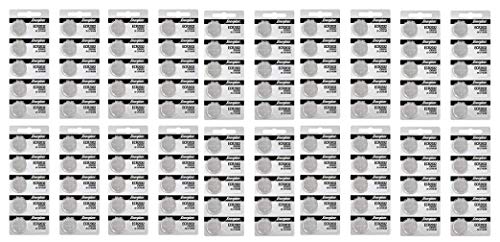
Different types of timekeepers rely on a variety of power sources. Quartz models, for instance, predominantly utilize battery cells while mechanical designs depend on intricate movement mechanisms. Understanding the specifics of these power units is crucial for maintenance and replacement.
Commonly used power cells in quartz types are CR2025 and SR626SW, but variations exist based on brand and model. Check the manufacturer’s specifications to ensure compatibility, as using an incorrect type can lead to malfunctions.
For mechanical counterparts, no batteries are needed; they function through winding and gear systems. Hybrid designs may combine elements from both categories, necessitating unique power sources. Always refer to the user manual for precise details regarding the energy supply required for your specific model.
Do All Timepieces Utilize Identical Power Sources?
Different timepieces employ a variety of power sources. Commonly, one can encounter button cells, which range in size and capacity. The most frequently used types include CR2025 and SR626SW, but many others exist depending on the model and functionality of the timepiece.
Mechanically-powered models typically do not rely on external sources and instead utilize intricate gear systems powered by a wound spring. In contrast, quartz models often depend on tiny batteries to maintain accurate time-keeping. Thus, compatibility is often an oversight when replacing power units.


When changing a power source, it’s critical to verify the specifications indicated in the manufacturer’s instructions. Mismatching the type or size can lead to performance issues or damage to the internal mechanisms. Always consult the manufacturer or a knowledgeable jeweler for precise information.
Watch enthusiasts often recommend carrying a small selection of commonly used power sources for quick replacements. This practice minimizes downtime and keeps favorite pieces operational.
Types of Watch Batteries: A Comparative Analysis
Quartz mechanisms typically use three main kinds: button, cylindrical, and solar. Button cells, commonly referred to as coin cells, are the most prevalent, powering numerous compact devices. These come in various sizes, with the CR2032 and SR920SW being some of the most frequently encountered options.
1. Alkaline vs. Silver Oxide
Alkaline cells, often less expensive, offer a shorter lifespan compared to their silver oxide counterparts. The latter are known for their stability and reliability, making them suitable for more advanced timekeeping instruments. While alkaline types might fit various models, silver oxide options tend to provide enhanced performance in terms of longevity and consistent discharge rate.
2. Rechargeable Options
Rechargeable varieties, such as lithium-ion and nickel metal hydride, are becoming increasingly popular. Unlike disposable types, these can be recharged multiple times, which reduces waste. These are typically found in eco-friendly designs and higher-end timepieces. Although initial costs may be higher, the long-term savings and environmental benefits are significant.
How to Identify the Battery Type for Your Watch
To determine the power source for your timekeeper, check the case back for markings or numbers indicating the battery type. Most manufacturers print battery specifications directly on the exterior, which can simplify identification.
If the case back lacks clear information, consult the user manual or the brand’s official website. Many companies provide detailed specifications, including compatible power units for various models.
Using Multimeter for Testing
A multimeter can help verify battery voltage, aiding in identification. Set the multimeter to measure DC voltage, connect the leads to the battery terminals, and check the output. Typical voltages include 1.5V for alkaline types and 3V for lithium varieties.
Visual Comparison with Known Types
If labels aren’t evident, visually compare the battery with known types. Look for dimensions, shape, and terminal configuration. Common varieties include button cells (like CR2032), which are flat and round, while others may resemble cylindrical or rectangular designs.
Common Battery Sizes and Their Uses in Timepieces
Understanding prevalent power sources and their applications can enhance maintenance and replacement choices. The most widely utilized sizes include:
1. CR2032
This 3V lithium cell is frequently found in quartz timepieces due to its longevity and compatibility with various designs. Its compact size makes it ideal for slim models, providing reliable performance for up to 10 years in optimal conditions.
2. SR626SW
This silver-oxide battery typically powers smaller analog designs. Its 1.55V output suits traditional timekeeping needs, often lasting approximately 2 to 3 years. Due to its efficiency, it remains a popular choice among minimalistic styles.
3. LR44
Commonly used in casual and dress styles, the LR44 alkaline cell offers 1.5V. While it is less durable than lithium options, it provides adequate energy for one to two years. The LR44 is ideal for budget-friendly choices, although replacement frequency may be higher.
4. CR2025 and CR2016
Both are compact lithium options, used in various electronic and fashion timepieces. The CR2025 has a slightly greater thickness than the CR2016, affecting power storage duration. Typically, these cells last between 3 to 5 years, depending on the timepiece’s energy requirements.
Choosing the right power supply involves understanding the specific needs of the design in question, considering both longevity and compatibility. Consulting the manufacturer’s specifications can simplify the selection process and ensure reliable performance.
Impact of Quartz vs. Mechanical Movements on Battery Requirements
Quartz mechanisms primarily rely on battery power for energy, while mechanical counterparts operate without batteries, instead relying on winding systems. This fundamental difference influences power needs significantly.
Battery Implications for Quartz Movements
Quartz-driven timepieces generally utilize small button cells, with the most common types including 1.55V lithium batteries. These batteries are designed for long usage, often spanning several years, depending on the model and functions attached. High-accuracy quartz movements may also engage additional features like chronographs, which can slightly increase energy consumption.
Mechanical Movements and Energy Storage
In contrast, mechanical movements store energy through a mainspring that unwinds gradually, driving the movement. No batteries are needed, eliminating concerns about battery life or replacement. However, some hybrid designs, known as automatic or self-winding pieces, can include battery-operated quartz features, which may introduce the need for battery replacements alongside traditional mechanical upkeep.
| Type | Power Source | Battery Replacement Frequency |
|---|---|---|
| Quartz | Battery | Every 1-3 years |
| Mechanical | Mainspring | No battery needed |
| Automatic | Mainspring + Battery (optional) | Battery as needed, mainspring winding |
This clear distinction highlights the necessity of understanding the power requirements linked to different movement types, guiding users in their selection and maintenance preferences.
Battery Life Expectations Across Different Watch Models
The lifespan of power cells varies significantly based on design, mechanism, and power requirements of individual timepieces. Below are key estimates for various categories:
Quartz Timepieces
- Typical lifespan: 1 to 5 years
- Factors affecting longevity: LED displays, additional features like alarms and backlighting
Smart Devices
- Average lifespan: 1 to 2 days for heavy usage
- Extended battery options exist for lower functionality, lasting up to a week
Mechanical Models
- Power reserve: Ranges from 24 hours to several days, depending on the design
- No electrical component; maintenance focuses on winding mechanisms
Solar-Powered Variants
- Typical lifespan: Indefinite, as long as exposed to light regularly
- Battery life can extend beyond 10 years with proper care
When selecting a model, consider usage patterns. For instance, quartz mechanisms are ideal for minimal interference, while smart options suit tech-savvy individuals who require features. Mechanical options might appeal to watch enthusiasts valuing craftsmanship over convenience.
Where to Purchase Replacement Batteries for Various Timepieces
Specialty watch shops offer a reliable option for obtaining replacement power sources. Trained staff can assist in identifying the correct size and type needed.
Online platforms such as Amazon and eBay stock a vast selection of different power units. Make sure to verify compatibility by checking the specifications provided by the seller before making a purchase.
Retail Chains and Electronic Stores
Major retail chains like Walmart or Target often carry popular battery models. These locations typically provide the advantage of physical access, allowing customers to compare different packages and sizes directly.
Watchmaker Services
Local watch repair services not only provide battery replacements but may also sell replacement units. This option supports small businesses and ensures proper installation, especially for intricate models or those under warranty.
When purchasing, consider the brand and specifications to maintain performance. Reading reviews can also help ensure you choose quality products suitable for your specific timepiece. Be mindful of store policies regarding returns or exchanges in case of wrong purchases.



