
 Ethan Cole

In many jurisdictions, possession of a valuable timepiece during international travel may trigger specific reporting requirements. If the item exceeds a certain monetary threshold, customs authorities often mandate its disclosure upon entry or exit. Familiarity with local regulations is crucial to avoid unforeseen complications.
Luxury timepieces, especially those valued over a predetermined limit, typically warrant a customs form to ensure compliance with legal stipulations. Keeping receipts and documentation of the item’s purchase can simplify the declaration process significantly. This proactive approach minimizes risks associated with seizures or additional duties.


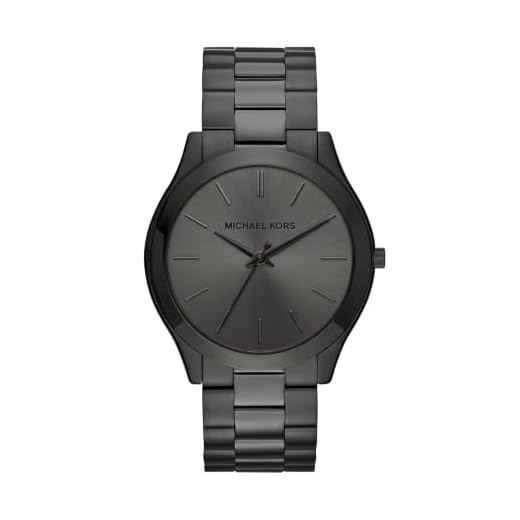
Always verify specific customs policies at the destination prior to travel. It’s advisable to reach out to relevant authorities or visit their official websites for the latest guidelines. Understanding these regulations not only facilitates smooth customs processes but also enhances the overall travel experience.
Requirements for Reporting Timepieces
Import regulations vary depending on destination country and the value of timepieces. It’s crucial to understand the specific legal obligations tied to such articles to avoid penalties. Generally, high-value items may need to be reported at customs during transit.
Valuation Guidelines
Establish the market value before crossing borders. Different nations define thresholds for what requires attention. For instance, a timepiece exceeding a certain monetary figure typically necessitates reporting. Familiarize with local customs authorities for precise limits.
| Country | Threshold Value | Reporting Requirement |
|---|---|---|
| United States | $800 | Report if value exceeds |
| Canada | $60 CAD | Report if value exceeds |
| Australia | $1000 AUD | Report if value exceeds |
Documentation and Proof
Maintain receipts or proof of purchase. These documents serve as evidence of value and ownership, streamlining the reporting process. If questioned, presenting this information can facilitate smoother transactions with customs personnel.
Understanding Customs Regulations for Jewelry
Monitoring specific thresholds for valuable ornaments is crucial when traveling. Items such as rings, necklaces, or bracelets may need reporting if they surpass a predetermined value, which varies by country. It’s advisable to consult the official customs database or relevant authorities for precise limits applicable to personal possessions.
When carrying precious stones or high-value items, clear documentation, such as receipts or appraisals, serves as proof of ownership and value. This documentation can be requested by customs agents during inspections to ascertain authenticity and worth.
Specific exemptions might apply for certain gifts or inherited items, provided they fall under a particular value threshold. Accurate declarations should reflect actual intent and possession at the time of travel. Travelers must also be aware of unique restrictions on materials, notably those derived from endangered species, which may be strictly prohibited.
Stay informed about customs regulations, as these can differ greatly from one jurisdiction to another. Taking time to understand specific rules for valuable items ensures a smoother travel experience and reduces the risk of unexpected issues at border control.
Threshold Values for Importing Wrist Watches
For goods in the form of timepieces, specific monetary limits exist for international arrivals. In numerous regions, items valued under a certain amount, typically around $800 in the United States, can enter without incurring customs duties or taxes. Above this threshold, additional fees often apply.
Regulatory Frameworks
Different nations maintain distinct regulations regarding these valuables. For instance, in the EU, the customs thresholds vary by country; some members set limits at approximately €430 for travelers. It is crucial for travelers to review local laws before arrival to avoid undesired complications.
Documentation Requirements
Accurate receipts showcasing the value of the item are beneficial when crossing borders. In scenarios where the value exceeds regional thresholds, proof of purchase can expedite processing and help validate the legitimacy of the item. Always retain transactional documents for these purposes.
Familiarity with local customs offices and their guidelines ensures smooth entry with timepieces. Compliance minimizes risks associated with confiscation or penalties upon arrival.
Tax Implications of Declaring a Luxury Timepiece
When crossing international borders, reporting a luxury timepiece can lead to specific tax responsibilities. A customs officer may assess duties based on the declared value, often influenced by the country of origin and market currency fluctuations. This assessment pertains to both new and pre-owned items.
Value Assessment Criteria
Determining the correct value involves considering purchase receipts, appraisals, or the prevailing market rate if the item is sold. Customs may apply a general duty rate ranging from 0% to 20%, depending on the jurisdiction and the watch’s classification. Misreporting or undervaluing could result in further investigation or penalties.
Local Tax Regulations
Post-importation, local sales tax may also apply, varying substantially by region. It is advisable to review local tax regulations to ensure compliance. In some cases, luxury items attract additional taxes beyond standard rates, making awareness of these rules crucial for economic planning.
Documentation Required for Wrist Watch Declaration
Proof of purchase is the primary document needed for a proper identification process. This should include a receipt detailing the model, brand, and purchase price.
Certificates of authenticity can enhance the credibility of the timepiece, especially for high-value or luxury items. Ensure these documents are included if available.
Customs forms vary by country. Familiarize with the specific requirements of the destination nation. Commonly, a customs declaration form will be necessary, which outlines the item’s details and value.
Import permits may be mandated in certain jurisdictions. Research local regulations to determine if such documentation is required.
For insurance purposes, obtaining a professional appraisal is advisable. This document establishes current market value and provides necessary details for potential claims.
Whenever traveling internationally, retaining travel-related documents, such as a passport, can be beneficial. These may be requested by customs officials during inspection.
- Proof of purchase
- Certificate of authenticity
- Customs declaration form
- Import permits (if applicable)
- Professional appraisal
- Travel documents (passport)
Consult local customs office for any recent changes in documentation requirements to avoid unnecessary complications upon arrival.
Exemptions and Special Cases for Watches
Certain scenarios allow for exclusions regarding the reporting of timepieces. Items inherited or received as gifts may qualify for exemption, provided they comply with specific value thresholds set by customs authorities. If the market value of such items does not exceed the established limit, reporting might not be necessary.
Antique Timepieces
Antique models, typically defined as being over 100 years old, may also enjoy special considerations. Many jurisdictions provide allowances for these items, recognizing their cultural significance and historical value. Documentation proving age and authenticity can facilitate a smoother process during inspections.
Customs Arrangements for Luxury Pieces
Special arrangements may be applicable for high-value luxury items acquired during international travel. In some instances, a traveler may present authenticity papers, purchase receipts, or warranty information to customs, thereby streamlining inspection and possible exemptions from standard reporting.
It is advisable to check regulations specific to the destination to ensure compliance and avoid potential fines. Each country maintains a unique set of rules concerning exemptions, making local knowledge crucial for responsible ownership of timepieces.
Steps to Take if Falsely Declared
Immediate action is required upon discovering an incorrect declaration. Following these steps can help resolve the situation efficiently:
- Gather Evidence: Collect documents related to the item in question, including purchase receipts, certificates of authenticity, and any previous customs communications.
- Contact Customs Authorities: Reach out to the relevant customs office as soon as possible. Provide them with details about the discrepancy to initiate rectification.
- Submit Corrections: File any necessary amendment forms or documents specified by customs. Clearly outline the accurate details and reasons for the initial error.
- Pay Any Associated Fees: Be prepared to settle any fines or fees that may arise from the false declaration. Compliance with their regulations is critical.
- Request a Review: If unable to resolve the issue directly, consider requesting a formal review or appeal. This might involve gathering additional documentation or presenting the case in person.
- Seek Legal Advice: If complications persist, consulting a legal expert familiar with customs law can provide clarity on next steps and potential repercussions.
Proactive communication and prompt action can mitigate negative consequences from inaccuracies in declarations.
FAQ:
What are the rules for declaring a wristwatch when traveling internationally?
The rules for declaring a wristwatch while traveling can vary depending on the country you are entering. In many cases, if the wristwatch is a personal item and not intended for sale, it may not need to be declared. However, if the watch is valuable, especially luxury brands worth a significant amount, it is advisable to declare it to avoid potential issues with customs. Always check the specific regulations of the destination country regarding personal possessions and customs declarations.
Is there a specific value threshold for declaring a wristwatch at customs?
Yes, many countries have a specific value threshold that determines whether items such as wristwatches need to be declared at customs. For instance, in the United States, travelers are required to declare items valued over $800. If your wristwatch exceeds this limit, you should declare it. Additionally, it is wise to keep any receipts or documentation that show the purchase price, as this can assist with the declaration process and prove the watch’s value, if questioned.
What should I do if I am unsure whether my wristwatch needs to be declared?
If you are unsure whether your wristwatch requires declaration, the best approach is to check the customs regulations of the country you are entering. Many customs agencies have resources available online that detail what needs to be declared. You can also contact the local customs office or a travel advisor for clarification. If in doubt, it’s safer to declare the item to avoid any penalties or confiscation upon arrival.


