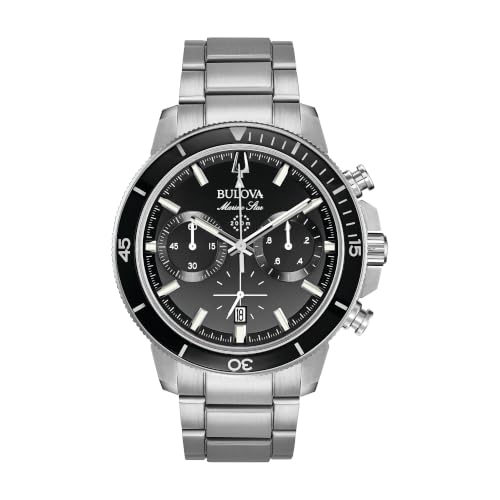
Ethan Cole

Wearing a timepiece continuously can have several advantages, particularly when it comes to staying punctual. Keeping this accessory on helps in enhancing time management skills and reduces the risk of misplacing it. For those who frequently engage in activities or meetings, maintaining it on the wrist ensures instant access to time, eliminating potential disruptions.
Health considerations also play a role in this decision. Certain models are equipped with fitness tracking capabilities, providing valuable data on heart rate and activity levels. This can encourage healthier habits by serving as a prompt for movement or rest throughout the day.
The choice to retain this accessory while sleeping or during physical activities is often personal. It’s advisable to consider the material and build of the item; lightweight and hypoallergenic designs tend to be more comfortable for extended wear. Additionally, avoiding exposure to excessive moisture and potential damage during rough activities can extend the lifespan of the item.


Do You Leave Your Timepiece On?
It’s recommended to take off the timepiece during certain activities or when engaging in specific environments. Wearing it while swimming or taking a shower can lead to damage, especially if the model is not water-resistant. Additionally, exposure to excessive heat or cold can affect the internal mechanisms.
Health Considerations
Maintaining skin health is crucial. Continuous contact with the band can trap moisture and lead to irritation. Regularly cleansing the wrist area and the watch band can prevent potential rashes or allergic reactions.
Battery Longevity
For battery-powered models, consider removing the piece when not in use for extended periods. This action can conserve battery life significantly. Mechanical variations often require wearing to maintain accuracy, yet removing them occasionally from the wrist allows for better maintenance and servicing.
In conclusion, various factors determine whether to keep the timepiece on throughout daily activities. Evaluating the purpose and environment is key to preserving both the device and wrist health.
Understanding the Impact on Watch Longevity
Constant wear can lead to more significant wear and tear on timepieces. Studies show that exposure to sweat and moisture may lead to corrosion of internal components, potentially shortening lifespan. Regular maintenance is recommended regardless of usage patterns.
Consider the type of movement as it directly affects durability. Quartz models may withstand daily exposure better than mechanical variants, which require careful handling.
| Movement Type | Durability Rating | Care Recommendations |
|---|---|---|
| Quartz | High | Clean regularly, avoid extreme conditions |
| Mechanical | Moderate | Routine servicing, cautious exposure |
| Automatic | Moderate | Keep wound, protect from impacts |
Temperature extremes may also affect accuracy and longevity. Regular exposure to high heat or freezing conditions can compromise the integrity of various materials, leading to premature failures.
Cleaning the casing and strap regularly helps prevent buildup of dirt and grime, which can impair function and aesthetics. Consider using a soft cloth and mild soap for upkeep.
Ultimately, the approach taken toward wearing these devices can significantly influence how long they last. Being mindful of environmental factors and mechanical care is essential for maximizing functionality and lifespan.
Assessing Comfort: When to Remove Your Watch
Removing a timepiece is advisable in scenarios where discomfort arises. If irritation occurs on the skin or a feeling of constriction is noted, taking off the accessory is a suitable response. Pay attention to specific situations such as rigorous physical activities, especially in environments with high moisture or temperature. In such cases, moisture and sweat can exacerbate discomfort, leading to skin irritation.
Skin Sensitivity and Allergies
Individuals experiencing skin sensitivity or allergic reactions to materials like metal or leather should assess the fit of the accessory frequently. Swollen skin or rashes necessitate immediate removal to prevent further complications. Conducting regular checks aids in maintaining comfort and skin health.
Activities and Environment
Engaging in water sports or activities involving heavy lifting may prompt the decision to remove the timekeeper. Water exposure can damage internal components, while pressure can alter the fit, leading to discomfort. Evaluating these factors ensures both safety and comfort throughout various experiences.
Exploring Watches and Skin Health Concerns
To minimize skin irritation or allergies associated with conventional timepieces, frequent removal is advisable, particularly during prolonged wear. The material composition of straps, including leather, metal, and synthetic options, can provoke reactions in sensitive individuals.
Maintaining cleanliness is fundamental. Regularly wiping the strap and the case can prevent the buildup of sweat, dirt, or oils that may contribute to skin problems. Use gentle, non-irritating cleaning solutions when necessary. Avoid submerging non-water-resistant models in water.
Seasonal factors can significantly influence skin health. In warmer months, increased perspiration may heighten the risk of rashes or discomfort. Opting for breathable materials or allowing time without wearing the accessory during high temperatures can alleviate these issues.
Skin conditions, such as eczema or dermatitis, may necessitate more vigilant monitoring. It’s prudent to assess the skin beneath the accessory periodically for signs of irritation. If issues arise, consulting a dermatologist for tailored advice is recommended.
In instances where a watch fits too snugly, circulation problems may develop, leading to further complications. Adjusting the fit to a more comfortable position or switching to looser alternatives during warmer weather can enhance skin health and overall comfort.
Situational Considerations: Activities That Require Removal
Engaging in specific activities necessitates the removal of timepieces to prevent damage and ensure comfort. Here are key scenarios where detachment is advisable:
- Sporting Activities: High-impact sports such as basketball or soccer can result in scratches or damage. Enhanced mobility without a bulky accessory may improve performance.
- Water Sports: Swimming or snorkeling increases the risk of exposure to saltwater or chlorine, which can accelerate wear on materials and seals.
- Manual Labor: Tasks involving heavy lifting or using tools can result in abrupt impacts that may harm mechanisms or cause discomfort.
- Medical Procedures: In clinical settings, particularly during surgeries or examinations, removing accessories minimizes contamination risk.
- Personal Care: Activities such as applying lotions or undergoing spa treatments may introduce substances that can lead to tarnishing or clogging of mechanisms.
Assessing each situation helps in deciding whether to maintain the accessory or take it off temporarily. Prior knowledge about the risks associated with specific activities can enhance the longevity and performance of the piece.
Caring for Your Watch: Maintenance Tips While Worn
Regular inspection of the timepiece ensures longevity. Check the case for scratches and the crystal for any imperfections, addressing these issues promptly to prevent further damage.
Cleaning Techniques
For metal bands, a soft cloth can effectively remove fingerprints and smudges. For leather straps, consider a damp cloth followed by a gentle drying process; avoid submerging them in water.
Humidity and Temperature Management
Extreme temperatures and humidity can affect functionality. Avoid exposing the accessory to high temperatures, moisture, or direct sunlight for extended periods to maintain its integrity.
Periodic servicing by a professional enhances performance, ensuring the mechanism runs smoothly. Regular maintenance can prevent more significant issues from arising.