
 Ethan Cole

It is recommended to use “wristwatch” as a single word without any hyphenation. This compound noun is commonly accepted in modern English usage, reflecting a specific timepiece designed to be worn on the wrist.
Using a hyphen in this instance–such as “wrist-watch”–is considered outdated and unnecessary. Language evolves, and the trend has shifted towards the use of solid compounds for terms like this one.
When documenting timekeeping devices, maintain consistency in your spelling. When referring to multiple types, for example, “smartwatches,” the same rule applies: compound forms are preferable. This approach enhances clarity and aligns with contemporary linguistic standards.
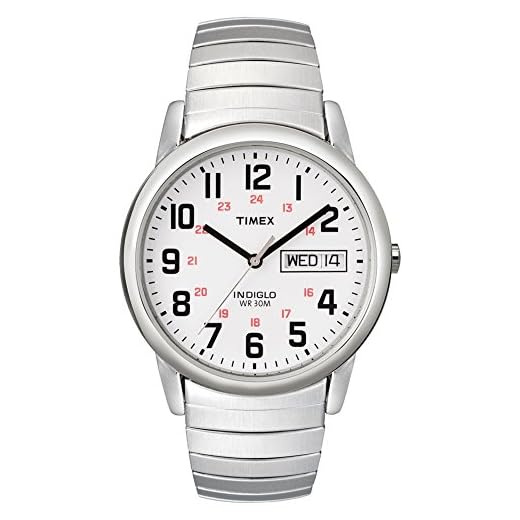

Wrist Watch Hyphenation: A Definitive Guide
In modern usage, the term is typically written without a hyphen. The combination serves as a compound noun that is widely accepted in both formal and informal contexts.
However, variations in style guides might influence the choice. Below are key points to consider:
- Check specific style guides: APA and Chicago Manual of Style recommend ‘wristwatch’ as a single word.
- Industry practice: Many brands and retailers use ‘wristwatch’ in marketing materials for consistency.
- Context matters: In descriptive contexts, you may encounter ‘wrist watch,’ but this is less common.
For clarity in communication, favor ‘wristwatch’ to avoid ambiguity and align with standard practices in documentation and branding.
Understanding Hyphenation Rules in English
In English, compound terms often require proper punctuation. When joining two or more words into a single descriptive term, utilizing a connector can clarify meaning. Commonly, terms like “mother-in-law” illustrate this usage. However, when it comes to certain items, such as timepieces worn on the wrist, the approach varies.
General Rules for Compound Modifiers
When creating compound modifiers preceding a noun, it is typically advisable to insert a connector. For instance, “high-speed train” is correctly punctuated. Yet, if the term follows the noun, it usually stands without any connector, like in “the train is high speed.” This distinction aids in effective communication and prevents ambiguity.
Exceptions and Specific Cases
Some compound phrases are universally recognized and accepted without connectors, such as “coffee table” or “football.” Understanding which terms fall into this category enhances clarity and aids in effective writing. A thorough examination of specific word pairs is essential, as common usage shifts nuances regarding whether to apply punctuation.
Common Misconceptions About Hyphenated Words
Many assume that every combination of words requiring separation must include a connector. This is incorrect; several phrases stand on their own without additional characters. Typically, compound adjectives preceding nouns often utilize connectors, while those following do not.
Distinguishing Compound Nouns from Adjectives
A prevalent error involves treating compound nouns as if they always demand a hyphen. For instance, a ‘mother-in-law’ is distinct from ‘high school’, where no connector is necessary. Understanding context is key to proper usage.
Numbers and Compound Modifiers
Another area of confusion arises with numerical phrases. Phrases like ‘twenty-four’ or ‘fifty-second’ require connectors. However, terms like ‘3D printer’ do not conform to this rule, showcasing variance based on usage.
Relying on lists and examples while learning precise usage enhances clarity. Engage with reputable grammar resources to build a nuanced understanding of when connectors are warranted.
When to Use Hyphens in Compound Nouns
Utilize hyphens in compound terms primarily for clarity. When two or more words collaborate to modify a noun together, a hyphen often aids in preventing ambiguity.
Examples of Proper Usage
Some specific instances warrant the inclusion of these punctuation marks:
- Adjective + noun combinations, e.g., long-term strategy.
- Noun + noun combinations that function as a single concept, e.g., mother-in-law.
- Numbers and other modifiers that create compound phrases, e.g., twenty-first century.
When to Avoid Hyphenation
Conversely, certain combinations do not require hyphens:
- Adjective + adverb phrases, e.g., quickly improving.
- Two nouns used independently, e.g., ice cream vendor.
| Type | When to Hyphenate | When Not to Hyphenate |
|---|---|---|
| Adjective + Noun | High-pitched sound | Very loud music |
| Noun + Noun | Toothbrush | Fish market |
| Number Modifiers | Four-legged animal | Twenty first century |
Clarifying these rules enhances communication, ensuring that intended meanings remain intact. Always assess the relationship between the words before deciding to incorporate or exclude this punctuation mark.
Examples of Similar Terms with or Without Hyphens
In English, the use of hyphens can significantly change the meaning or readability of compound words. Here are some examples illustrating the distinction between forms with and without hyphens:
Common Compound Nouns
Mother-in-law vs. Mother in law: The former specifies a relation, while the latter might imply someone’s mother involved in legal affairs.
High-speed vs. High speed: The hyphenated version describes a type of technology, while the non-hyphenated form could refer to speed that is simply high without context.
Adjectives and Nouns
Well-known vs. Well known: The hyphenated form describes someone or something recognized widely, while the other may indicate someone recognized for doing something well.
Full-time vs. Full time: The former indicates a specific employment status, while the latter can refer to time that is entirely filled with activities.
Understanding these distinctions can aid in effective communication and clarity in writing.
Practical Tips for Avoiding Hyphen Errors
Always verify specific compound formations by consulting a reputable dictionary. Resources like the Oxford English Dictionary or Merriam-Webster provide guidance on whether two words should be joined or separated.
Context matters. Consider the sentence structure and the meaning intended. A term may be correctly hyphenated in one instance but not in another based on usage.
For long compound terms, applying a hyphen can enhance readability. If the combination becomes unwieldy or confusing, separating with a hyphen is advisable.
Use writing tools and grammar checkers to identify compound words that might need revision. Software often highlights potential errors, making corrections easier.
Familiarize yourself with common compound words that frequently cause confusion. Building a mental list can prevent frequent mistakes.
Keep up with evolving language rules. Language experts often release updates on hyphenation practices, so staying informed is beneficial.
Practice writing sentences using various combinations. The more exposure you have to different usages, the more intuitive hyphenation will become.
Lastly, seek feedback from peers or use writing workshops. Sharing your writing can uncover unnoticed errors regarding compound word formations.
FAQ:
Does the term “wrist watch” require a hyphen?
No, the term “wrist watch” does not require a hyphen. It is generally written as two separate words. The phrase is widely accepted in written English without any hyphenation.
Why might some people think “wrist-watch” is correct?
Some individuals may think “wrist-watch” is correct due to the way compound nouns are constructed in English. Certain compound nouns do use hyphens for clarity or to avoid confusion. However, in the case of “wrist watch,” it is accepted as two distinct words, and hyphenation is unnecessary.
Are there any exceptions or contexts in which a hyphen could be used with “wrist watch”?
While “wrist watch” is usually not hyphenated, you might see it hyphenated in more specialized settings, such as in advertising or branding, where the stylistic choice is made for effect. However, such usages are not standard in formal writing or most publications.
How does using a hyphen change the meaning in similar terms, like “time-sensitive”?
In terms like “time-sensitive,” the hyphen is necessary because it helps to clarify that the two words function together as a single concept. This form illustrates that a deadline or urgency is involved. In contrast, “wrist watch” refers specifically to a type of watch worn on the wrist, and the absence of a hyphen does not affect its meaning. The clarity of the term is maintained without it.



