Ethan Cole

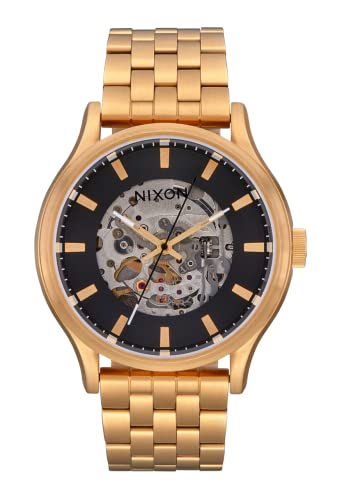
Unscrew the crown counterclockwise until it detaches from the body. Pay attention to the subtle clicks indicating the various positions of the mechanism. Gradually pulling the crown out will allow precise adjustments to timekeeping functions. Use a soft cloth to avoid scratches during the process, ensuring a pristine surface is maintained.
After achieving the desired setting, push the crown back in gently and rotate it clockwise to secure. This not only prevents moisture ingress but also restores the elegant aesthetics of the timepiece. Be mindful of the watch’s water resistance capabilities and always confirm compatibility before exposing it to any liquids.
Regular maintenance can enhance longevity and performance. Clean the exterior with a microfiber cloth and consider professional servicing every few years to keep internal components in optimal condition. Understanding this access process elevates appreciation for the craftsmanship behind such a complex device.
Understanding the Chronograph Functionality
To utilize the stopwatch feature, locate the pushers on the side of the timepiece. The top pusher generally starts and stops the timing mechanism, while the bottom pusher resets the counters to zero. Press the top button to initiate the timing, and a second press will halt the measurement, allowing for precise tracking of elapsed time.
Reading Measurements
The sub-dials typically indicate different intervals. The main sub-dial usually tracks seconds, while others may show minutes or hours, depending on the design. Pay attention to the scale, which provides accurate readings depending on the measurement time frame. Ensure awareness of the positioning of each dial to read accurately.


Utilizing Advanced Features
Some models offer additional functionalities, like split time measurement. To access this, start the timer and press the top pusher again to capture intermediate times without stopping the overall timer. Familiarizing with the specific functions of the model enhances its usability, allowing for optimized performance tailored to individual needs.
Identifying the Opening Mechanism
Examine the case back for a small notch or groove, which typically indicates the location for accessing internal components. Utilize a case knife or a flat tool carefully to pry open the back without damaging the surface.
Look for any screws that may secure the case back. If present, use a precision screwdriver to remove them. Ensure the work area is well-lit for visibility and precision.
If the piece features a screw-down mechanism, rotate the case back counterclockwise until it loosens. Approach this method slowly to prevent stripping the threads.
Some designs may incorporate a press-fit system. In such instances, a gentle but firm pressure is required to pop the back off. Be cautious, as excessive force can lead to scratches or cracks.
Familiarize with the specific model’s manuals or online resources, which often provide insights into the specific mechanisms employed in different versions. This knowledge can facilitate a smoother process.
Tools Required for Safe Opening
Precision screwdriver set is mandatory for accessing internal components. Opt for the small Phillips and flat-head variants. Quality tools reduce the risk of damaging screws and casing.
Case opening tools, such as a case knife or a case back opener, help in avoiding scratches while detaching the back cover. Avoid using blunt objects that may leave marks or cause damage.
A pair of tweezers aids in handling small parts and components without causing any harm. Look for ones with fine tips for better control.
Watchmaker’s loupe enhances visibility for intricate tasks, facilitating careful examination during the process. A magnifying glass is a suitable alternative.
Soft cloth or designated watch mat prevents scratches on the surface while working. It serves as a protective layer and keeps small parts from rolling away.
Jeweler’s hammer assists in gently tapping case backs that may be tight or stubborn. Exercise caution to avoid any blunt force that could lead to breakages.
Lastly, an anti-static wrist strap is advisable to prevent static electricity from damaging sensitive electronic components inside the device.
Step-by-Step Guide to Opening the Case Back
Begin with the preparation of a clean, flat workspace to avoid misplacing any components. Ensure good lighting to clearly see the delicate parts involved.
1. Remove the Strap
Detach the strap using a spring bar tool. Carefully compress the spring bars to release the strap from the lugs, making access to the case easier.
2. Position the Timepiece
Lay the timepiece face down on a soft cloth. This protects the crystal and dial from scratches and damage during the process.
3. Identify the Case Back Type
Determine whether the case back is a screw-down, snap-on, or press-fit style. This information is crucial for the subsequent steps.
4. Using the Right Tools
For screw-down backs, use a case wrench to rotate counter-clockwise. For snap-on or press-fit types, utilize a case knife to insert gently into the gap between the case and the back.
5. Apply Gentle Pressure
When using the case knife, apply gentle pressure to pry open without damaging the back. For screw-down cases, ensure the wrench fits snugly before turning.
6. Remove the Case Back
Carefully lift the back off once it’s loosened. Be cautious of any seals that may be present and retain them if necessary for reassembly.
7. Inspect the Interior
Once opened, inspect the movement for service needs. Dust or debris may require gentle cleaning, using a soft brush.
8. Reassembly
To close, align the case back correctly and press down or screw in as per the type. Ensure proper sealing to maintain water resistance.
| Tool | Purpose |
|---|---|
| Spring Bar Tool | Detach the strap |
| Case Wrench | Open screw-down case backs |
| Case Knife | Open snap-on or press-fit case backs |
| Soft Brush | Clean the movement |
Checking the Movement after Opening
Inspect the internal mechanism carefully for signs of function. Listen for a smooth ticking sound, which indicates the balance wheel is moving properly.
Visual Inspection
- Look for any visible dirt, dust, or moisture inside the case.
- Check if all gears and components appear intact without signs of wear or damage.
- Verify that the chronograph levers return to their original position promptly.
Testing the Functionality
- Engage the chronograph function by pressing the start pusher. Ensure the second hand moves smoothly.
- After a few seconds, stop the chronograph and check if the second hand returns to the zero position accurately.
- Reset by pressing the reset pusher, confirming all hands return to their correct starting points.
Document any irregularities or issues encountered during the inspection, which may require professional attention. After concluding the checks, proceed to securely close the case back.
Sealing the Watch Properly Post-Inspection
Ensure a secure and effective seal after completing internal checks. Follow these guidelines:
- Clean the Gasket: Inspect and clean the gasket around the case back. Remove any dust, debris, or old lubrication using a soft cloth or brush.
- Inspect for Damage: Examine the gasket for wear or damage. Replace if it shows signs of deterioration to maintain water resistance.
- Apply Lubrication: Lightly lubricate the gasket with a suitable silicone grease. This step aids in creating a tighter seal and prevents wear over time.
- Align the Case Back: Position the case back correctly over the housing. Ensure that alignment corresponds with any notches or indicators present.
- Tighten Securely: Utilizing the correct tool, tighten the case back with consistent pressure. Avoid overtightening, which could warp the case or damage the gasket.
- Conduct a Water Resistance Test: After sealing, perform a pressure test if applicable. This confirms that the timepiece maintains its specified water resistance level.
- Final Inspection: Examine the exterior for any gaps or misalignments. Confirm that the chronograph functions are operational before the final closure.
Adhering to these steps guarantees the integrity and longevity of the timepiece, maintaining its performance and aesthetic appeal.