
 Ethan Cole

The combination of advanced sensors and algorithms allows contemporary wearables to accurately identify their placement on the arm. Utilizing a blend of accelerometers and heart rate sensors, these devices can distinguish between different environments and movements, confirming their attachment to the body.
Accelerometers measure motion and orientation, detecting changes in position that indicate whether the device is worn or placed elsewhere. When the user engages in typical activities such as walking or jogging, the data from these sensors helps validate the presence on the arm.
Additionally, biometric sensors, including optical heart rate monitors, adjust their functionality based on contact with the skin. The light emitted into the skin provides readings of blood flow, further confirming that the gadget is secured properly. This dual-sensor approach enhances accuracy and user experience.
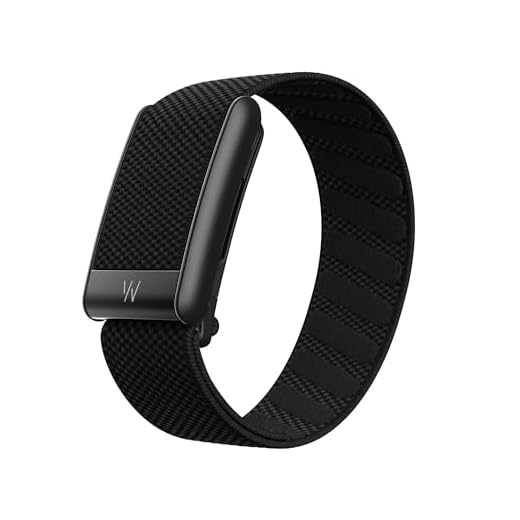

Incorporating artificial intelligence enhances the interpretation of sensor data, allowing for adaptive behavior based on specific user patterns. The integration of these technologies not only improves device responsiveness but also enriches the overall engagement with the holder.
Understanding the Sensors in Wearable Devices
Accelerometers play a pivotal role in detecting motion and orientation, enabling these gadgets to track activity levels and accurately determine whether they’re on an arm. These sensors measure gravitational forces and can identify changes in movement, which is essential for functions such as step counting and sleep tracking.
Gyroscopes enhance the data provided by accelerometers, adding the ability to measure rotation and orientation. This allows for a more precise understanding of a user’s movements, further aiding in fitness tracking and improving user experience through features like gesture control.
Heart rate monitors, utilizing photoplethysmography technology, assess blood flow changes through the skin. By sending light pulses into the skin and measuring the reflections, these sensors provide real-time heart rate data, crucial for fitness enthusiasts monitoring their health.
Some models incorporate temperature sensors to measure skin temperature, giving insights into physiological changes. This can be beneficial for tracking overall wellness or identifying potential issues early on.
Capacitive sensors detect the presence or absence of contact. This technology ensures that the device accurately identifies when it is in contact with the skin, contributing to features like display activation and health monitoring accuracy.
Ultimately, the integration of these various sensors allows for a comprehensive understanding of user activity and health metrics, further enhancing the functionality of wearable technology and providing personalized data for improvement.
Heart Rate Monitors and Skin Contact Detection
Wearable heart rate monitors rely on various technologies to ascertain skin contact for accurate readings. These devices primarily utilize photoplethysmography (PPG) to measure blood flow and derive heart rate data.
Photoplethysmography (PPG)
PPG sensors emit light–usually from LEDs–into the skin and measure the light reflections. When blood vessels expand and contract with each heartbeat, the amount of light absorbed changes. Key aspects include:
- Light Emission: Typically, green light is used, as it is effectively absorbed by hemoglobin in the blood.
- Signal Processing: The reflected light is captured by a photodetector; fluctuations in this data are analyzed to calculate heart rate.
- Skin Contact: Reliable readings depend on consistent contact between the sensor and skin to minimize ambient light interference.
Additional Technologies
Other methods contribute to confirming skin contact:
- Capacitance Sensors: These detect changes in the electrical field when in contact with the skin, indicating proper positioning.
- Accelerometers: Motion sensors can identify whether the device is being worn versus being laid down, enhancing accuracy.
These technologies work in unison, providing seamless detection and ensuring that heart rate measurements are both precise and reliable while being worn. Thus, the integration of different sensor types is crucial for optimal performance in wearable health tech.
The Role of Accelerometers in Movement Tracking
Accelerometers serve a pivotal function in detecting motion patterns and orientation changes. By measuring acceleration forces in varying directions, these sensors allow for precise movement analysis.
The integration of three-axis accelerometers within wearables facilitates the tracking of physical activities, such as walking, running, or cycling. This information is vital for distinguishing between different types of movement and providing actionable insights into activity levels.
Modern devices employ algorithms that interpret data gathered by accelerometers, distinguishing between rest and active phases. This capability enhances the accuracy of fitness metrics and ensures tailored feedback for users.
| Feature | Description |
|---|---|
| Three-axis Measurement | Tracks motion along the X, Y, and Z axes for comprehensive movement analysis. |
| Low Power Consumption | Designed for prolonged usage without draining battery life. |
| Activity Recognition | Employs algorithms to automatically identify different physical activities. |
| Gait Analysis | Monitors walking patterns to provide insight into physical performance. |
Incorporating accelerometers enhances the user experience, offering real-time feedback and facilitating goal setting based on personalized activity data. This technology significantly contributes to the effectiveness of health and fitness monitoring in wearable devices.
Analyzing Data from Skin Conductance Sensors
Data from skin conductance sensors allows for assessing physiological responses that signify emotional and physical states. These sensors measure changes in electrical conductivity of the skin, which varies due to sweat gland activity influenced by nervous system responses.
Methodology of Data Collection
Skin conductance signals are recorded through electrodes placed on the surface. These electrodes send a small electrical current, measuring the resistance. Increased perspiration from emotional arousal decreases resistance, allowing for analysis of stress levels or excitement. Consistent data sampling is crucial for reliability, leading to meaningful interpretations of the signals.
Applications of Skin Conductance Data
Analyzing this data offers insights into user engagement and emotional responses during various activities. For instance, when combined with other biometric data, it aids in understanding stress triggers during workouts or relaxation techniques. Furthermore, applications in mindfulness and mental health can benefit from tracking emotional fluctuations over time, fostering better awareness.
Integrating User Feedback for Improved Detection
User input significantly enhances the accuracy of wearables in identifying skin contact. Regularly soliciting feedback through surveys or in-app prompts can pinpoint common user experiences and challenges. Utilizing this data, developers can refine algorithms to better distinguish between intentional and unintentional removal or positioning.
Adaptive Learning Mechanisms
Incorporating adaptive learning allows devices to calibrate their sensors based on user behavior patterns. For instance, when a user reports false positives or negatives, the system can adjust its sensitivity settings. This level of customization creates a more tailored experience and improves detection reliability over time.
Community Insights and Collaborative Development
Building online forums for users to share experiences fosters a community-driven approach to problem-solving. Analyzing discussions and feedback trends can reveal insights into long-term wear conditions and preferences. Collaborating with user groups in testing phases can lead to practical solutions that enhance overall functionality.
Future Innovations in Wrist Detection Technology
Integrating AI algorithms to enhance user identification can refine detection capabilities. Advanced machine learning models trained on diverse datasets could improve recognition of skin texture variations and body temperature fluctuations, leading to greater accuracy in identifying contact points.
Emerging wearable technology may harness biometric feedback from multiple sensors to enable continuous wrist presence monitoring. By analyzing data from motion sensors, temperature readings, and heart rate variability, devices can better assess whether they’re being worn or simply placed on a surface.
Future devices could incorporate flexible, stretchable electronics that conform seamlessly to different wrist sizes and shapes. This adaptability would allow for more comfortable wear while maintaining accuracy in detecting contact.
Utilizing near-field communication (NFC) or Bluetooth Low Energy (BLE) for proximity validation could allow devices to confirm their placement in relation to the user’s body. This method could serve as an additional layer of verification, ensuring reliable operation through paired devices.
Next-generation materials that enhance skin contact sensitivity will improve detection mechanisms. Coatings that react to sweat composition or changes in skin pH may provide real-time feedback, ensuring continuous monitoring and precise interaction.
Implementing crowd-sourced data collection can provide real-world usage data, further refining detection algorithms. Leveraging feedback from a wider user base will allow resources to optimize the responsiveness of devices in varying environmental conditions.


