
 Ethan Cole

To grasp the inner workings of a pulse timekeeper, focus on its unique reliance on oscillations for accurate timekeeping. At the heart lies a quartz crystal that vibrates at a consistent frequency when an electric current passes through it, generating precise measurements of time.
Battery-powered, this timepiece draws energy from a compact cell that supplies the necessary current to the crystal. The resulting oscillation translates into electrical signals, driving the motion of gears that indicate the hours, minutes, and seconds on the display. Regular maintenance, including battery replacements every few years, ensures optimal performance.
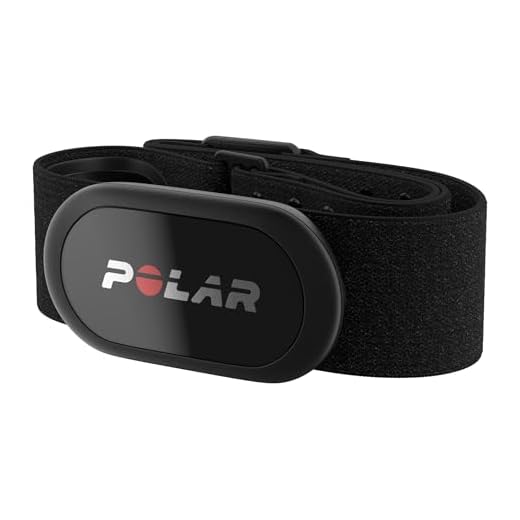

Another noteworthy aspect involves its user interface, often featuring LCD or LED displays. Unlike traditional counterparts, these designs provide clarity and versatility, allowing for multiple functions such as alarms and stopwatches, enhancing the utility of the device without sacrificing accuracy.
Understanding the Basic Components of a Pulse Watch
The primary elements of a wrist-mounted timepiece incorporating pulse monitoring are crucial for its accurate functionality. To comprehend their roles, focus on the following components:
| Component | Description |
|---|---|
| Sensor | Employs optical technology to detect blood flow changes, translating them into heart rate data. |
| Microcontroller | Serves as the brain; processes data received from the sensor, managing calculations and outputs. |
| Display | Shows time and vital statistics, typically featuring a digital or analog interface. |
| Battery | Powers the entire unit, often rechargeable, allowing durability and longevity in usage. |
| Connectivity Modules | Enable data sharing with smartphones or other devices via Bluetooth or Wi-Fi, providing enhanced features. |
| Firmware | Maintains operational software, allowing updates that improve functionality and user experience. |
Focusing on the interconnectedness of these components showcases how they contribute to the overall performance of the device. Ensuring robustness in each part leads to a reliable monitoring capability. Understanding these sections helps in selecting a quality model that suits personal requirements.
How Sensors Measure Heart Rate and Other Vital Signs
Optical sensors employ light to assess blood flow beneath the skin, primarily measuring heartbeats by detecting variations in blood volume. These sensors utilize LEDs, typically green, as they penetrate skin effectively and correlate with oxygenated blood levels.
Electrocardiogram (ECG) sensors capture electrical activity generated by the heart. Adhesive electrodes placed on the skin record these impulses, providing insights into heart rhythms and rates. This method offers higher accuracy compared to optical sensors.
Accelerometers gauge movement and can differentiate between resting and active states, enhancing heart rate readings under various conditions. By combining data from accelerometers with heart rate measurements, devices can provide a comprehensive view of overall activity and health.
Some monitors utilize temperature sensors to assess blood flow changes related to physical exertion. Increased body temperature can indicate heightened metabolic activity, often aligning with elevated heart rates during exercise.
Pulsatile sensors, sensitive to pressure changes in blood vessels, measure pulse wave velocity. This technique is useful for assessing cardiovascular health and identifying potential anomalies.
Integrating multiple sensor types enhances accuracy. Hybrid systems leverage the strengths of optical and electrical measurements, improving the reliability and functionality of health-tracking devices.
The Role of Microprocessors in Data Processing
Implement microprocessors as central units to interpret signals from sensors. These chips convert raw data into usable information through complex algorithms and processing power. By performing calculations, microprocessors facilitate real-time analysis of biometric data.
Utilize low-power microcontrollers that balance performance with energy consumption. This selection prolongs battery life while ensuring quick response rates for heart rate measurement and other functions. Design choices for microprocessor architecture directly impact how effectively the device can handle multiple tasks simultaneously.
Integrate data storage solutions within the microprocessor to maintain readings and usage patterns. This capacity supports features like historical data tracking and trend analysis, enhancing user insights into their health metrics. Consider employing various communication protocols for seamless data transfer, allowing compatibility with smartphones and other devices.
Focus on optimizing the data processing flow, which involves streamlining the algorithms that interpret sensor data. Efficient processing reduces latency and improves the overall user experience, making features more accessible and understandable. Ensuring secure data transmission is also paramount to protect sensitive information.
Battery and Power Management in Pulse Monitors
Utilize Li-ion or Li-polymer batteries due to their compact size and high energy density. These types offer longer life cycles and are less prone to memory effect compared to older battery technologies.
Power Saving Modes
Employ various power-saving strategies, such as sleep modes and adaptive brightness controls. Activate sensors only during specific intervals or user interactions to minimize energy consumption. This prolongs battery life while ensuring accurate readings when required.
Charging Solutions
Incorporate wireless charging technology or USB-C ports for quick and convenient recharging. Users benefit from hassle-free battery maintenance, allowing them to focus more on health monitoring rather than frequent battery replacements.
Interpreting Data: How Readings are Displayed
Readings from these devices are typically presented through a combination of visual and auditory signals. Displays may include LCD or LED screens, where numerical values representing heart rate or other metrics are shown prominently. Icons or color codes can indicate alert levels for certain readings, aiding users in interpreting their health status effectively.
Some models utilize graphical representations, such as graphs or charts, to illustrate trends over time. This enables individuals to assess changes in their measurements, facilitating informed decisions regarding their fitness or wellbeing. Real-time feedback often incorporates animated elements, like pulsing indicators, to enhance user engagement.
In certain cases, vibrations or sounds accompany notifications when readings exceed preset thresholds. This immediate feedback can prompt users to take corrective actions during physical activities or when resting. Data synchronization with mobile applications may also enhance the interpretation of recorded information, providing deeper insights through additional context and historical data analysis.
For optimal usage, it is recommended to familiarize oneself with the specific display features and notifications of the chosen device. Understanding these can significantly enhance the accuracy in monitoring health indicators and interpreting the information presented.
Maintenance Tips for Optimal Performance of Your Pulse Monitor
Regularly clean the sensors to ensure accurate readings. Use a soft, dry cloth to remove sweat and dirt after each use. For deeper cleaning, slightly dampen the cloth, but avoid exposing the device to excessive moisture.
Check battery levels periodically. Replace batteries as needed, using high-quality replacements to avoid power issues. Regular calibration may also be necessary to maintain accuracy in measurements.
Update firmware when prompted. Manufacturers often release updates that fix bugs or enhance functionality. Refer to the user manual for instructions on how to perform updates effectively.
Avoid exposure to extreme temperatures and humidity. Store the device in a cool, dry place to prolong its lifespan and prevent damage to internal components.
Use the device as intended. Follow the recommended usage guidelines provided by the manufacturer to ensure longevity and reliability. Misuse can lead to malfunctions or inaccurate readings.
Periodically check for any physical damage, such as cracks in the casing or screen. If any damage is found, seek professional repair to prevent further issues.
- Initially, keep the monitoring device clean.
- Maintain a regular battery replacement schedule.
- Stay updated with the latest firmware.
- Prevent exposure to extreme environmental conditions.
- Avoid misuse to ensure longevity.
- Inspect for physical damage regularly.
Following these guidelines will help maintain optimal functionality and ensure accurate performance throughout the device’s lifespan.


