Ethan Cole
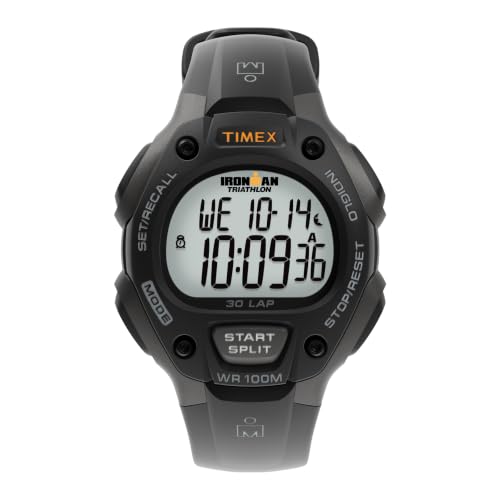
The operation of electronic timepieces relies on a combination of components, primarily a quartz crystal, microchip, and battery. The quartz crystal oscillates at a consistent frequency when an electrical charge is applied, enabling precise timekeeping. The microprocessor interprets these oscillations to maintain accurate seconds, minutes, and hours, ensuring that the display reflects the correct time.
Integrating various features, contemporary electronic chronometers often include functionalities such as alarms, timers, and backlighting. The user interface, typically operated via buttons or a touchscreen, communicates commands to the internal processor, allowing for easy adjustments. When setting the time or activating additional functions, users interact directly with the digital display, which refreshes in real-time to reflect any changes made.


Maintaining battery health is crucial for optimal performance. Regular replacement of batteries, based on usage and type, will extend the life of the device and prevent unexpected shutdowns. During battery changes, care should be taken to avoid exposure to moisture, which could compromise internal components.
Understanding the Internal Components of a Timepiece
The heart of any timepiece lies within its internal architecture. Key components include the microcontroller, which serves as the brain, processing user inputs and coordinating actions. This chip interprets signals from buttons and the oscillator.
The oscillator, typically a quartz crystal, defines timekeeping accuracy. It emits consistent vibrations, maintaining precise time intervals. This frequency is translated into readable time format by the microcontroller.
The display system plays a vital role in conveying information. Liquid Crystal Display (LCD) or Light Emitting Diode (LED) technology showcases time, date, and other features. Backlighting options enhance visibility in low-light conditions.
<p.Power sources like batteries supply energy to the entire mechanism. Rechargeable lithium-ion cells are common due to their longevity and efficiency. Components are designed to function on minimal power, maximizing battery life.
User interface elements such as buttons allow for adjustments in time settings and functionalities. These must be durable, as frequent usage is expected. Some models may feature touch interfaces for more advanced interactions.
A circuit board interconnects all components, enabling communication between them. The design must optimize space while ensuring resilience against shocks and environmental factors.
Lastly, housing materials protect the internal parts. Common choices include stainless steel, plastic, or ceramics, providing both durability and aesthetic appeal.
The Role of the Quartz Crystal in Timekeeping
The quartz crystal acts as the heartbeat of precision timing mechanisms in timekeeping devices. It operates on the principle of piezoelectricity, where mechanical stress applied to the crystal generates an electrical charge. This property enables the crystal to oscillate at a specific frequency, typically 32,768 Hz, which is optimal for converting electrical pulses into accurate time measurement.
Frequency and Accuracy
This oscillation generates regular electrical signals, precisely defining each second. A microcontroller processes these signals, dividing the frequency to produce a readable time format. The integration of a quartz crystal significantly enhances accuracy, keeping deviations to mere seconds per month under optimal conditions.
Temperature Considerations
Temperature fluctuations can affect the frequency of the quartz crystal. Manufacturers often include temperature compensation mechanisms to mitigate these effects, ensuring that timekeeping remains consistent across various environments. Monitoring the crystal’s resonance allows for fine-tuning, maintaining reliability in different conditions.
Incorporating quartz technology has revolutionized horology, delivering unmatched precision and reliability in modern timepieces.
Power Sources Influence on Functionality
Battery type greatly shapes timepiece operation and longevity. Lithium coin cells provide compact energy, making them ideal for slim designs. Rechargeable options, like solar-powered cells, allow for sustainability and extended use without frequent replacements.
Battery Life and Performance
Standard alkaline batteries usually last between 1-3 years, depending on usage patterns. In contrast, lithium batteries can extend functionality up to 5 years or more, significantly reducing maintenance.
Alternative Energy Sources
Solar panels utilize light to recharge energy cells. This feature promotes autonomy, minimizing the need for battery changes. Kinetic movement harnesses the wearer’s motion, converting it into electrical energy, ideal for active users.
The innovation in power technology continues to enhance accuracy and features, allowing for functionality like backlighting and additional tracking capabilities without sacrificing performance.
The Functionality of the Microprocessor in Watches
A microprocessor serves as the brain inside these timekeeping devices, executing commands and processing data with precision. It interprets signals from the quartz crystal oscillator, regulating the timing mechanism that ensures accurate time display. This chip takes input from user interactions, such as setting the time or activating features like alarms and timers.
Command Execution and User Interface
The microprocessor manages the interface, responding to button presses and enabling features based on user requirements. When a button is pressed, the microprocessor detects the action and triggers the corresponding function, such as illuminating the display or changing the time format. This seamless interaction is pivotal for enhancing usability, ensuring that functions are readily accessible.
Power Management and Efficiency
Efficient energy utilization is another key role of the microprocessor. It regulates power consumption, activating and deactivating components based on demand. During periods of inactivity, it can enter a low-power mode, extending battery life significantly. Monitoring voltage levels also aids in providing alerts for battery replacement when necessary, ensuring consistent performance.
In summary, the microprocessor’s capabilities significantly enhance the functionality and efficiency of timepieces, combining precision timekeeping with user-friendly features and power management. This integration allows them to fulfill various roles beyond mere time display, adapting to user preferences and lifestyle needs.
Exploring the User Interface and Display Technologies
User interfaces in timepieces utilize various display technologies to provide seamless interaction and information accessibility. Key types include LCD, OLED, and LED screens, each offering distinct advantages in terms of visibility and power consumption.
LCD screens are prevalent for their energy efficiency and wide readability. These displays rely on liquid crystals and a backlight, ensuring clear visibility in diverse lighting conditions. The interface typically includes buttons that allow users to navigate different modes, such as stopwatch or alarms.
OLED technology presents another option, featuring organic materials that emit light. This advancement yields deeper blacks and a superior contrast ratio, enhancing user experience. Touch-sensitive OLEDs further simplify navigation, eliminating physical buttons.
Conversely, LED displays, commonly seen in performance-oriented models, provide bright, eye-catching visuals. They are often favored in outdoor settings due to their exceptional visibility even under direct sunlight.
| Display Technology | Advantages | Use Cases |
|---|---|---|
| LCD | Energy-efficient, good visibility | Everyday and sports timepieces |
| OLED | High contrast, lighter, touch-sensitive options | Luxury and advanced smart models |
| LED | Bright, visible in sunlight | Outdoor and performance-focused units |
Touch interfaces offer intuitive interaction, streamlining access to features like settings adjustments and notifications. Haptic feedback enhances the tactile experience, ensuring users feel confident in their selections.
Furthermore, customization options for displaying time formats and colors accommodate personal preferences, allowing individuals to tailor their experience. Animation effects for notifications or alerts further engage users, making the interaction interactive.
Understanding these interface and display technologies is crucial for optimizing usability and enhancing the overall user experience in contemporary timepieces.
Connecting Timepieces to Other Devices: Bluetooth and Beyond
Integrating timepieces with smartphones and other equipment enhances user experience and functionality. Bluetooth technology remains the primary method for this connection, allowing seamless data transfer between devices.
Bluetooth Connectivity Features
- Real-time notifications for messages, calls, and alarms.
- Remote control for photography and music playback.
- Activity tracking synchronization to health apps for fitness monitoring.
When operating via Bluetooth, a standard connection range spans approximately 30 feet, enabling transformative uses while maintaining a shallow power drain on the device.
Emerging Technologies in Communication
Beyond Bluetooth, various technologies offer potential for future enhancements:
- NFC (Near Field Communication): Enables quick data exchanges through close proximity, ideal for payments and pairing.
- Wi-Fi Direct: Facilitates faster data transfer rates without needing an intermediary network.
- ANT+: A low-power wireless protocol catering to sports and fitness devices, promoting connectivity with various health monitors.
As technology evolves, user interfaces on timekeepers are becoming increasingly intuitive, allowing for smoother connections and improved interactions across devices. These advancements ensure greater versatility and personalization tailored to the user’s lifestyle and preferences.