
 Ethan Cole
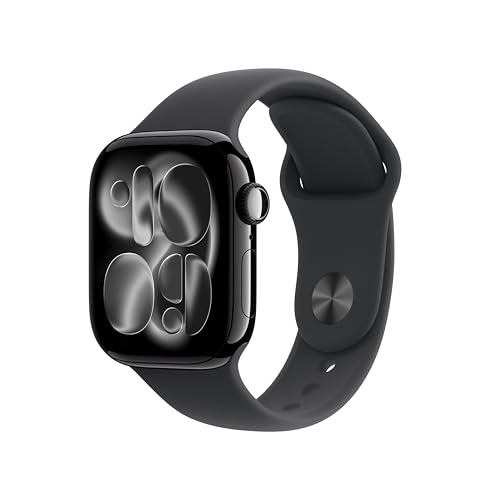
For optimal comfort and style, placement of a timepiece approximately one inch above the bone of the ulna is recommended. This allows for ease of movement while ensuring that the accessory remains secure and visible.
Choosing a specific point entails considering the fit of the strap. A snug fit helps prevent slipping, while excessive tightness may lead to discomfort. Thus, adjusting the strap to balance tightness and freedom of movement is essential.
Factors such as sleeve length and overall ensemble also play a crucial role. Shorter sleeves can complement a timepiece situated higher on the arm, allowing for better visibility, while longer sleeves may necessitate a lower position to avoid interference.


Personal preference heavily influences decision-making. Experimenting with various placements can aid in determining the most visually appealing and functional setup for different occasions.
Understanding Wrist Anatomy for Watch Placement
For optimal fit, position the timepiece around one centimeter above the ulnar styloid process, the bony prominence on the outer edge of the forearm. This area, often referred to as the wrist bone, serves as a natural landmark for proper alignment.
Components of Wrist Anatomy
The wrist consists of eight small carpal bones and several ligaments, which form a complex structure. Key muscles and tendons surrounding this area affect movement and comfort. It’s essential to account for these anatomical features when deciding on placement, as they influence how the garment interacts with the arm during daily activities.
Factors Influencing Placement
Consider individual anatomical variations, such as bone structure and muscle mass. A thicker wrist may accommodate a watch placed slightly higher, while a more slender forearm might require a lower position for ergonomic wear. Also, keep in mind personal style preferences and the function of the timepiece, as certain designs may look better at different heights.
Choosing the Right Watch Size for Wrist Location
Select a timepiece with a case diameter that complements the measurement of the arm segment just above the hand. Aim for a diameter that is approximately 30-50% of the circumference of this area for a balanced appearance.
The case thickness also plays a significant role. A thicker style may sit better on larger arm dimensions, while a slimmer profile suits narrower arms. Aim for a thickness that maintains comfort without overpowering the visual appeal.
Use the following table to determine suitable dimensions based on typical arm sizes:
| Arm Circumference (inches) | Recommended Case Diameter (mm) | Recommended Case Thickness (mm) |
|---|---|---|
| 5.5 – 6.5 | 28 – 36 | 6 – 10 |
| 6.6 – 7.5 | 34 – 40 | 8 – 12 |
| 7.6 – 8.5 | 38 – 44 | 10 – 15 |
Consider the watch style as well. Sporty models can be larger and bulkier, while dress watches typically favor elegant profiles. Ensure that your choice aligns with both lifestyle and personal taste.
Lastly, always prioritize comfort. A well-fitting watch should feel secure yet unobtrusive. Try different placements to find a location that melds style and functionality effectively.
Common Watch-Wearing Mistakes to Avoid
Avoid positioning the timepiece too loosely. This can lead to excessive movement, making it uncomfortable and affecting functionality. The ideal fit offers a snug, yet comfortable feeling without excessive slack.
Neglecting to match the scale of the accessory with the arm size is another frequent error. A large piece on a petite arm can appear overwhelming, while a small accessory on a larger arm may look lost. Aim for proportionality to maintain aesthetic balance.
Wearing the timepiece on the wrong side can also create issues. Left-handed individuals often sport their devices on the right arm, yet doing so may result in scratches and other damages from everyday activities. Consider the dominant hand when making this choice.
Choosing an inappropriate strap material can diminish overall comfort and wearability. For example, leather may not be suitable for humid conditions, while metal may feel heavy. Stick to breathable fabrics or lightweight metals for everyday scenarios.
Failing to adjust the accessory for seasonal changes is often overlooked. In warmer weather, swelling may occur, necessitating a looser fit, whereas cooler months might warrant a tighter grasp. Regular adjustments ensure the right fit year-round.
Finally, neglecting maintenance can lead to deterioration. Ensure timely servicing to keep the mechanism running smoothly. Regular strap replacements and cleaning prevent wear and keep the appearance sleek.
How Sleeve Length Affects Watch Positioning
Optimal placement of timepieces is significantly influenced by sleeve length. Longer sleeves can conceal the accessory, leading to the need for higher positioning for visibility. Ensure the piece sits comfortably just above the cuff, allowing the garment to drape without obstruction.
Shorter sleeves provide versatility. With this style, wearing timepieces closer to the base of the arm is acceptable, ensuring the accessory remains prominent. However, a snug fit can restrict movement, resulting in discomfort and undesired adjustments.
Choosing Based on Sleeve Style
Tailored shirts, often with narrow cuffs, require precise placement just above the wrist joint. Loose-fitting shirts allow a broader range, where positioning near the joint works, maintaining comfort and accessibility. Likewise, casual styles such as rolled-up sleeves offer flexibility, making high placement fashionable yet functional.
Material Considerations
Different fabrics affect the perceived length and style of sleeves. Heavier materials might cause the cuff to hang lower, suggesting a higher watch position. Lightweight fabrics tend to sit more naturally, allowing lower positioning while remaining stylish and practical.
Adjusting for Comfort and Visibility
To achieve optimal comfort, position the timepiece snugly against the skin without restricting circulation. A general rule is to allow a finger’s width of space between the strap and skin, ensuring ample movement without excessive tightness.
For improved visibility, center the dial so it easily aligns with the line of sight. This positioning allows for a quick glance at the time without awkward wrist contortion. Rotate the watch slightly outward, approximately 10 to 15 degrees, if necessary, for better readability, especially on larger models.
Consider adjusting the strap or bracelet length. A well-fitted piece will sit securely without slipping, reducing the likelihood of it shifting out of view during movement. Utilize micro-adjustments available on many designs to fine-tune fit options.
Regular reassessment of fit throughout the day is recommendable, as fluctuations in body temperature may affect how tight or loose a strap feels. Make minor adjustments accordingly for consistent comfort and visibility.
Lastly, remember that materials influence comfort; soft, breathable materials generally promote a better wearing experience, especially during extended periods. Ensure that the watch does not become burdensome or distracting during daily activities.
Fashion trends: Current styles for watch placement
Positioning a timepiece just below the bone or right above a shirt sleeve is trending due to both style and functionality.
Key trends include:
- Layering with accessories: Wearing multiple bracelets alongside a timepiece gives a bohemian vibe. The watch should sit slightly higher than other accessories for balance.
- Oversized styles: Larger models are often displayed further up the forearm, drawing attention and making a bold statement.
- Sleek, minimalist designs: Slim profiles are worn lower on the hand, aligning perfectly with tailored outfits.
- Bold colors and patterns: Colorful straps or dials should be positioned where they catch the eye, allowing for visibility and showcasing personal style.
- Sporty looks: Durable materials and sport designs often sit closer to the edge, emphasizing an active lifestyle.
Consider context; a casual outing may require different placements compared to formal settings. Align placement choice with overall attire for cohesive ensembles.



