Ethan Cole

Positioning a timepiece should generally be around two finger widths above the bone of your arm. This location ensures comfort while allowing for easy visibility and accessibility. It is crucial to select a place where the accessory can move freely without sliding excessively toward the elbow or hand.
To achieve the ideal fit, experts recommend that bands should neither be too tight nor excessively loose. A snug fit prevents slipping, while too loose results in movement that can be distracting. Adjusting the strap or links accordingly can make a significant difference in comfort and functionality.
When choosing size, it’s advisable to consider the proportion of the accessory to the size of your limb. A larger timepiece may look disproportionate if positioned too low, while a smaller variant can appear lost if placed too high. Balance in aesthetics and practicality is key to optimal wear.

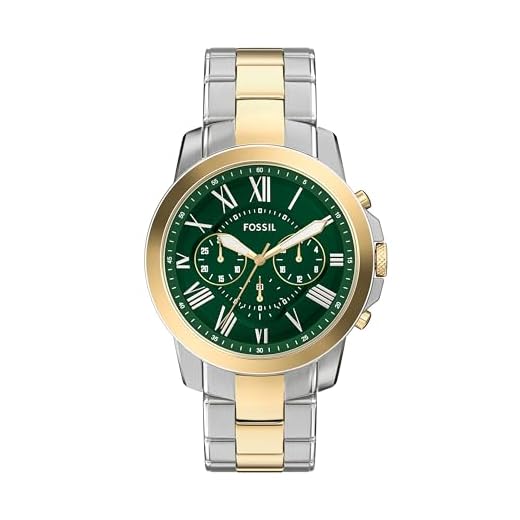
Recommended Position for a Timepiece
A timepiece typically sits about one to two fingers above the bone protrusion at the base of the palm. This placement allows for comfort and easy accessibility without compromising movement. The ideal fit ensures that the accessory does not slide down excessively during daily activities.
Factors Influencing Placement
<p.Personal style plays a significant role in determining appropriate positioning. Those favoring a more casual look might opt for a slightly lower fit, while individuals with refined tastes often prefer a more elevated placement. Furthermore, wrist size and watch dimensions also affect comfort and aesthetics, as larger models may require a higher position to avoid clashing with the hand during movement.
Adjusting the Fit
<p.To achieve optimal comfort, consider adjusting the strap to match both wrist size and personal preference. A too-tight fit can cause discomfort, while a loose one may lead to slippage. Regularly reassessing the position, especially after physical activities, guarantees both style and practicality.
Measuring the Ideal Watch Height
Positioning a timepiece correctly requires careful measurement. Aim for placement approximately 1-2 centimeters above the joint of the hand. This area allows for both comfort and optimal visibility of the dial.
The circumference of the arm plays a significant role. For individuals with slender or muscular builds, slightly adjusting the location can enhance appearance. A well-fitted band will help maintain stability regardless of arm movement.
When wearing a larger face, consider shifting slightly higher for balance. Conversely, smaller designs may sit lower without compromising on style. Personal preference will naturally influence final adjustments.
Experimenting with various anchor points while performing routine activities can provide insight into functionality and comfort. Ensure the timepiece does not impede movement yet remains easily accessible for quick glances.
Ultimately, monitoring how placement affects daily usage will guide toward finding the perfect fit tailored to individual needs and aesthetics.
Considerations for Different Watch Styles
For dress models, a snug fit that rests just above the wrist bone enhances elegance without compromising comfort. Aim for about 1-2 centimeters above the joint for a sophisticated appearance.
Casual and Sport Models
Sporty designs benefit from more flexibility. Positioning these pieces slightly lower allows for ease of movement and avoids interference during physical activities. A distance of about 2-3 centimeters above the wrist joint is ideal.
Smartwatches
Smart devices should maintain a balance between accessibility and comfort. A placement around 1-2 centimeters above the wrist bone offers easy interaction while keeping the gadget secure during daily activities.
- Dress Models: 1-2 cm above the joint
- Casual/Sport Models: 2-3 cm up
- Smart Devices: 1-2 cm above the bone
Ultimately, personal comfort and aesthetic appeal play a vital role, so adjust according to individual preference and activities.
Impact of Wrist Size and Shape
Wearing timepieces at an appropriate elevation relates directly to the dimensions and contours of an individual’s arm. A larger circumference can accommodate bulkier models without appearing overwhelming, while a slim profile benefits from more delicate designs. For optimal aesthetics, select pieces that harmonize with measurements; wide faces often suit broader arms, whereas smaller dials can enhance the elegance of slender builds.
Proportions and Diameter
Wrist diameters significantly influence visual balance. A rough guideline suggests that watches with a case diameter of 38mm to 42mm are suitable for average male builds, while 32mm to 36mm might be appropriate for feminine appearances. Oversized models can create an unbalanced look on petite arms, while smaller selections may go unnoticed on more robust forearms.
Shape Considerations
Flatter designs sit more comfortably on flatter surfaces, while rounded edges complement contoured arms. Individuals with pronounced bone structures might prefer piece designs that accommodate protruding areas, preventing discomfort. Additionally, different fastening mechanisms can impact ease of movement; adjustable straps or metal bands allow for variations in position, adjusting for varying levels of activity.
Balancing Comfort and Functionality
A watch should ideally be placed approximately one to two finger widths above the wrist bone, allowing for both ease of movement and practicality. This positioning ensures that the timepiece remains securely in place while not obstructing hand mobility or daily activities.
Comfort greatly influences wearability. To achieve an optimal fit, consider the following:
- Strap Adjustment: Ensure the band is neither too tight nor too loose, promoting airflow and reducing irritation.
- Weight Distribution: Lightweight designs prevent fatigue during prolonged wear, enhancing overall comfort.
- Material Selection: Natural or breathable materials contribute to a more pleasant experience, especially in warm conditions.
Functionality also plays a significant role. For instance, if engaging in sports or manual labor, position the timepiece slightly lower to avoid interference. Conversely, for formal events, a more elevated placement can add sophistication, enhancing appearance.
Personal Preferences
Individual choices often dictate final positioning. Factors such as style preferences, daily routines, and climate can shift where one prefers to locate their accessory. It’s essential to experiment with different heights to find a balance that complements both lifestyle and personality.
Practical Considerations
Pay attention to the purpose of the accessory. A multifunctional device may require a position that’s easily visible, while a more decorative piece can be styled higher on the arm. Keep in mind:
- Accessibility: Ensure functionality aligns with your goals, whether that’s checking the time frequently or making a fashion statement.
- Interaction: Positioning affects how easily you can operate features, like pressing buttons or adjusting settings.
- Layering: When wearing other accessories, consider the interaction between pieces, which may necessitate adjustments in positioning.
Adjusting Position for Various Activities
For activities that involve extensive movement, such as sports or manual labor, position your timepiece slightly lower on the forearm. This placement reduces the likelihood of impact with objects or surfaces, ensuring both safety and comfort during vigorous actions.
During formal settings or meetings, consider moving the accessory higher to enhance visibility while maintaining a professional appearance. This slight adjustment not only makes checking the time more convenient but can also serve as part of your overall ensemble.
For individuals engaging in creative tasks, like painting or crafting, keeping the device farther up, closer to the elbow, can prevent interference with tools and ensure a free range of motion. This positioning is particularly useful when precision is paramount.
If using electronic monitoring devices while exercising, situate the item above the radius bone. This placement improves sensor accuracy, providing better feedback on heart rate and activity levels.
When participating in aquatic activities, a snug fit closer to the base of the hand can prevent slipping or twisting, which helps maintain the functionality of dive watches or water-resistant models.
Adjust based on personal preference and trial. Everyone’s anatomy varies; find what feels best while maintaining functionality and ease of access.
Fashion Trends in Watch Placement
Positioning a timepiece slightly above the bone of the joint enhances visual appeal and complements various styles. This placement creates a balance between casual and formal looks, adapting effortlessly to different outfits.
Current Styles
Recent trends favor minimalist designs, with sleek cases and thin straps, allowing them to sit closer to the palm. This modern aesthetic pairs well with both tailored suits and relaxed ensembles.
Color Coordination
Wearing a subtle variant that contrasts with skin tone can draw attention. Light-colored bands on fairer skin and darker shades on deeper skin tones ensure both visibility and style. Consider matching metals with other jewelry for a cohesive look.
| Style | Recommended Placement |
|---|---|
| Casual | Midway between the joint and the hand |
| Formal | Just above the wrist bone |
| Sporty | Closer to the hand for ease of movement |
| Minimalist | Near the base of the palm |
Adapting to these fashion-forward ideals ensures a blend of comfort and aesthetics, making any timepiece an integral part of the overall look.