
 Ethan Cole

Prioritizing intricate designs and artistic expression, this significant period redefined timekeeping devices. Artisans incorporated elaborate aesthetics alongside functionality, creating pieces that became paramount in both utility and style.
Innovative techniques emerged, allowing for the manufacturing of precise mechanisms. Advances in metallurgy and engineering led to enhanced accuracy, culminating in timepieces that not only served a practical purpose but also showcased the owner’s status and taste.
Next timepiece enthusiasts seek unique selections, consider those influenced by Renaissance artistry. Look for models featuring intricate engravings, elaborate dials, and high-quality materials that echo the craftsmanship of that transformative era.
Exploring collections inspired by period aesthetics offers insights into historical evolution and a celebration of fine horology. This fusion of art and technology continues to inspire contemporary designs, making them timeless treasures.
Impact on Timepieces’ Design and Functionality
Craftsmanship and artistry underwent a transformation during this era, influencing timekeeping devices significantly. Innovations in mechanical engineering allowed for a reduction in size, making personal timepieces more practical. Jewelers began to experiment with intricate designs, incorporating ornate features that reflected the artistic trends of the period.


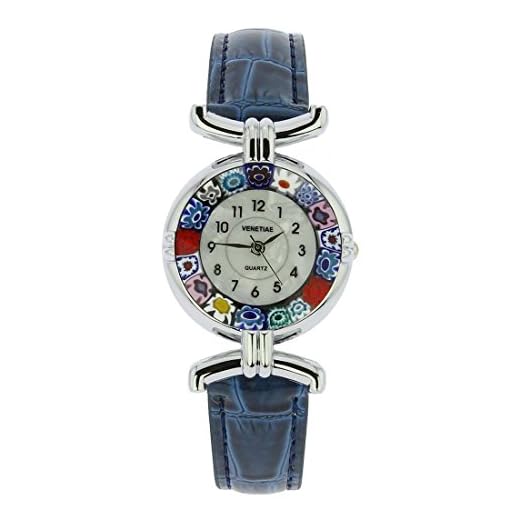
Key Developments
- Miniaturization of movements increased portability and accessibility.
- Introduction of spring-driven mechanisms improved accuracy.
- Artistic embellishments, such as enamel and engraving, personalized each piece.
Adoption of exotic materials, including precious metals and gemstones, became prevalent among affluent classes. This trend not only enhanced aesthetic appeal but also turned these instruments into status symbols.
Influence on Cultural Perception
With heightened interest in individual expression, personal timepieces began to represent identity and social standing. The association of these devices with nobility fostered a broader societal appreciation for horology, establishing a foundation for subsequent innovations in this domain.
Impact of Renaissance Art on Watch Design
Art from this period profoundly influenced timepiece aesthetics, merging functionality with creative expression. Early craftsmen adopted techniques seen in painting and sculpture, emphasizing realism and intricate details in their designs. Notable advancements included the use of perspective and proportion, which enhanced the visual appeal of dials.
Symbolism became a hallmark, with motifs drawn from mythology and nature infusing pieces with deeper meanings. Markings often reflected artistic themes, transforming mundane timekeeping into a narrative experience. The integration of ornamental elements, such as engravings and enamel work, contributed to a more luxurious appearance.
Renaissance artists often collaborated with watchmakers, fostering ideas that led to innovative forms. This synergy encouraged the development of unique cases shaped into artistic representations, marrying form with thematic narratives. The application of precious metals and stones became commonplace, elevating status and desirability.
Innovation in mechanical movements paralleled artistic exploration. Techniques from art restoration influenced horological design, promoting more intricate mechanisms and improved accuracy. The pursuit of beauty not only enhanced visual appeal but also set new standards for precision engineering.
This aesthetic foundation laid by Renaissance artistry continues to resonate in contemporary horology. Modern watches often pay homage to these artistic principles, balancing engineering prowess with elaborate designs that tell a story, showcasing the enduring legacy of creativity in timekeeping.
Technological Innovations from the Renaissance that Shaped Timekeeping
Advancements during this period significantly enhanced accuracy, leading to more reliable timepieces. The invention of the escapement mechanism improved the consistency of timekeeping, allowing clocks to maintain a precise rhythm.
Mechanical Escapements
Inventions such as the verge escapement became pivotal by regulating energy release from the mainspring. This progress facilitated smaller yet efficient timekeepers, contributing to the transition from large tower clocks to portable devices.
Spring-Powered Mechanisms
Coiled springs replaced weights as power sources in timepieces, enabling more compact designs. The development of the mainspring allowed for thinner constructions, paving the way for future iterations.
Advancements in Materials and Craftsmanship
Innovations in metallurgy provided stronger components, improving the durability of timekeeping instruments. Techniques such as engraving and enameling elevated both function and aesthetics, influencing future designs and craftsmanship approaches.
With the introduction of standardized components, the ability to mass-produce intricate parts emerged, lowering costs and increasing availability. This democratization of timepieces allowed a broader audience access to precise timekeeping.
The Role of Craftsmen in the Evolution of Timepieces
Artisans played a pivotal role in shaping modern horology. Their meticulous craftsmanship and dedication to detail set the foundation for sophisticated mechanisms seen today.
Techniques and Innovations
- Engraving and embellishment techniques refined aesthetics, enhancing visual appeal.
- Advanced metalworking allowed for lighter, more durable cases.
- Development of miniature movements led to compact designs, shifting focus from pocket to wrist.
Cultural Transmission of Knowledge
Apprenticeships facilitated knowledge sharing among craftsmen. Renowned watchmakers passed down skills, such as:
- Calibration of complex escapements ensuring precision.
- Use of jewels to reduce friction, improving longevity.
- Incorporation of artistic designs, merging utility with elegance.
The creative output of these skilled individuals was instrumental in elevating timepieces from mere instruments to coveted accessories. This transition underscored their influence on style and function, culminating in diverse designs catering to various tastes.
Symbolism of Time in Renaissance Literature and Its Influence on Watchmaking
Renaissance literature frequently depicted time not merely as a sequence of moments but as a profound reflection on human existence. Themes of temporality, mortality, and the fleeting nature of life inspired writers like Shakespeare and Dante, translating these concepts into tangible objects, including timekeeping devices.
Writers employed metaphors tying time to cycles of nature and human endeavor, elevating the significance of horology. The use of specific references to clocks in literary works highlighted an emerging awareness of precision in time measurement, prompting artisans to incorporate intricate designs into early timepieces. This infusion of literary symbolism translated into watchmaking, where elegance met functionality.
As narratives explored the dichotomy of eternal versus ephemeral, craftsmen began to embed similar sentiments into the aesthetics of timepieces. Decorative elements often drew from literary sources, featuring motifs symbolizing time’s passage–like hourglasses or celestial themes–which bridged philosophical ideas with practical design. Such embellishments not only enhanced visual appeal but also conveyed deeper meanings about life and time.
The interplay between literature and horology stimulated innovation in watch design. Writers’ engagement with temporal themes inspired makers to pursue accuracy, leading to advancements in movement mechanics, ensuring timepieces reflected literary ideals about the value of time and human experience.
This intellectual engagement catalyzed a shift in how society perceived and valued artisanal craftsmanship in horology, intertwining artistic expression with the precision needed for reliable timekeeping. Consequently, poetry and prose became foundational influences on the artistry that characterized subsequent evolutions in timepiece crafting. The legacy of these literary reflections continues to inform contemporary design philosophies, underscoring an enduring dialogue between literature and timekeeping craftsmanship.
Materials and Techniques Introduced During the Renaissance
Utilization of intricate materials marks a pivotal transition in timepieces from this period. Gold and silver became prominent in crafting cases, showcasing artistry and durability.
Enameling emerged as a favored technique, enhancing aesthetic appeal through colorful designs and intricate patterns on dials. This method required expertise, thus elevating the craftsmanship to an art form.
Additionally, innovations like ornamented gemstones featured in watch design, not only for decoration but also as a symbol of status and wealth. Diamonds and rubies gained popularity, embedded in mechanisms to reduce friction and enhance accuracy.
Wood, particularly from exotic species, was also introduced, contributing to cases and decorative elements. This material offered a unique visual contrast to metal, broadening design possibilities.
Advancements in miniature engraving provided a new outlet for artistic expression, with detailed scenes and motifs adorning various parts of the watches. This technique demanded precision and skill, pushing the boundaries of watchmaking craftsmanship.
The introduction of balance springs refined timekeeping, leading to more reliable and accurate mechanisms. This breakthrough hinged on meticulous metalwork, showcasing both technical and artistic prowess.
Collectively, these materials and techniques not only improved functionality but also transformed the perception of timepieces into objects of beauty and craftsmanship, influencing future developments in horology.
Renaissance Philosophies Changed Perceptions of Timekeeping
Shift in worldview during this period transformed understanding and significance of measuring time. The rise of humanism emphasized the importance of individual experience, sparking interest in accurate timekeeping as a means of personal reflection and organization of daily life.
Humanists sought to reconcile classical knowledge with contemporary thought, leading to a desire for precision in devices that measured hours, minutes, and seconds. This pursuit encouraged advancements in horology, as scholars engaged with ancient texts that detailed astronomical observations and mathematical principles, integrating these insights into watchmaking practices.
| Philosophy | Impact on Timekeeping |
|---|---|
| Humanism | Promoted individualism, necessitating more reliable time measurement for personal schedules. |
| Empiricism | Encouraged observation and experimentation, leading to better mechanisms and improved accuracy in timepieces. |
| Rationalism | Emphasized reason and logic, which influenced the development of mathematical approaches in crafting watches. |
Critical texts from this era illustrated the relationship between time and human existence, thus inspiring artisans to create pieces that reflected philosophical concepts. Enhanced focus on aesthetics, functionality, and symbolism in these artifacts correlated with shifts toward personal interpretation of time. Philosophers argued that the passage of time should not merely be recorded but celebrated through design, affecting the visual appeal of these creations.
Collectively, these philosophical currents established a foundation for modern perspectives on timekeeping, valuing both practical utility and deeper meanings associated with the measurement of time. This dual approach laid groundwork for future innovations in horological design and craftsmanship.



