
 Ethan Cole

A classic accessory, the timepiece should seamlessly blend with your attire. Opt for a size that complements your wrist, favoring a slimmer design for a delicate look. This enhances elegance without overpowering your outfit.
Choose materials wisely; leather bands add sophistication, while metal straps can impart a more contemporary feel. Consider the color palette of your ensemble–neutral tones allow for versatile styling, whereas bold colors can make a statement.
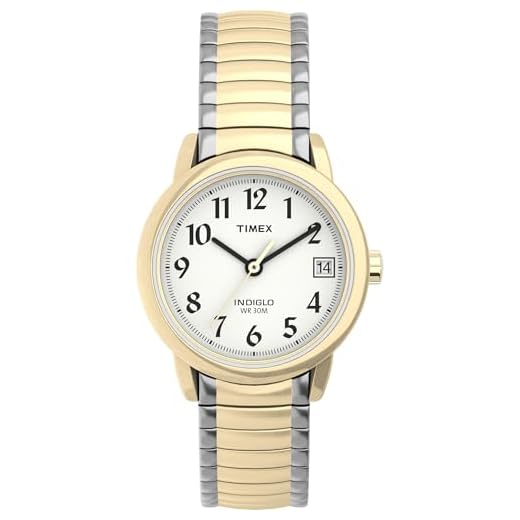
For formal events, a minimalist approach works wonders. Select a timepiece with a simple face and avoid excessive embellishments. In casual settings, feel free to experiment with colorful straps or patterned dials, allowing your personality to shine through.
Layering pieces can also create an interesting visual effect. Pair a bracelet with a sleek timekeeper to add depth. Just ensure that the combined widths of your accessories maintain balance for a polished appearance.
Wrist Style Tips for Women
Select a timepiece that complements your outfit. For casual settings, opt for leather or fabric bands, while formal occasions call for metallic or embellished options.
Placement on the Arm
<p position the timekeeper on the non-dominant wrist, allowing for ease of access while reducing the risk of damage during daily activities.
Layering with Other Accessories
Combine with bracelets or bangles for a chic look, ensuring that the color palette and materials harmonize to avoid visual clutter. Keep the number of additional pieces limited to maintain focus on the timepiece.
Adjust the fit for comfort; a snug but not restrictive grasp is ideal. Reevaluate the adjustment with changing circumstances, such as outfit style or activity level.
Choosing the Right Watch Style for Different Occasions
Opt for delicate timepieces with minimalistic designs for formal events. Silver or gold metals combined with a simple dial create an elegant aesthetic that complements sophisticated outfits.
For casual outings, choose vibrant colors and playful designs. Leather or fabric straps with round or square dials add a fun touch to everyday looks. Experiment with chunky styles to make a bold statement.
Sporty settings call for robust, functional designs. Look for waterproof options with features like chronographs or timers. Silicone or durable metal bands are ideal for active moments.
Dinner dates benefit from a more glamorous approach. Choose watches adorned with crystals or unique textures. A sleek bracelet style can add a touch of refinement while maintaining comfort.
For professional settings, opt for classic styles with clean lines. A neutral-colored strap and understated face project confidence and authority. Consider watches with thoughtful tech integrations for a modern touch.
Accessorize according to the season. Lighter materials and pastel colors brighten up summer ensembles, while richer tones and heavier metals are perfect for colder months.
Understanding Watch Sizes and How They Suit Your Wrist
Select timepieces with cases between 26mm to 36mm for smaller wrists. This size enhances the natural proportions of delicate arms, adding elegance without overwhelming their appearance.
<p.For medium wrist sizes, ranging from 36mm to 42mm, a balance is key. Opt for designs within this dimension to ensure comfort and visual harmony. A piece that fits snugly enhances confidence without sacrificing style.
<p.Larger frames can accommodate timepieces over 42mm. This size draws attention and projects a bold persona. Integrating such a statement piece allows for versatility in styling, making it suitable for various settings.
<p.Consider the thickness of the timepiece as well; a slim profile generally suits more delicate hands, while bulkier models can pair well with sturdier physiques. The thickness should not exceed the wrist width to maintain balance.
<p.In addition to case dimensions, the bracelet length plays a role. Ensure it fits securely without pinching or sliding excessively. Adjustable bands are preferable to achieve the ideal fit for different outfits or activities.
<p.Be mindful of overall design; minimalist styles work well for formal occasions, while bold patterns can complement casual looks. Materials also influence perception; metal designs offer sophistication, while leather conveys a relaxed vibe.
<p.Test the size by trying on different pieces. Observe how they sit on your arm in various movements. The right fit will feel natural and integrate seamlessly into your daily routine.
Layering Jewelry: Combining Your Watch with Other Accessories
Selecting the right pieces to complement a timepiece enhances the overall aesthetic. Here are specific strategies to elevate your accessory game:
- Mix Materials: Consider pairing metallic watches with leather or beaded bracelets. This contrast creates visual interest.
- Balance Watch Size: For larger timepieces, opt for thinner, delicate bangles or chains. Conversely, a petite watch can harmonize beautifully with chunkier accessories.
- Color Coordination: Choose bracelets that incorporate similar hues or accents found in your watch to ensure cohesion. Neutral tones work well to unify bold statement pieces.
- Layering Technique: Stack bracelets on the opposite arm or alongside the watch, ensuring they are not too bulky. Space them out to maintain elegance.
- Gemstones and Charms: Adorn your wrists with sparkling stones or charm bracelets to add a playful touch. Keep one element more prominent to avoid overwhelming the look.
- Personal Flair: Integrate meaningful pieces, such as family heirlooms or customized items, to make the combination unique.
Experiment with layering techniques to find combinations that reflect your personal style. Confidence in your choices transforms a simple arrangement into a statement.
Color Coordination: Matching Your Timepiece with Outfits
Select colors that complement your ensemble. A neutral color palette allows for versatile combinations. For example, silver or gold can pair seamlessly with various hues.
Consider these color pairings:
- Classic black or white: Works well with any outfit, ideal for formal and casual settings.
- Earth tones: Natural colors like browns and greens align wonderfully with leather straps or wooden components.
- Pastels: Soft shades suit lighter attire, perfect for spring and summer events.
- Bold colors: If your attire features vibrant tones, a timepiece in a contrasting or matching shade can stand out tastefully.
When incorporating patterns, ensure the timepiece harmonizes with the overall look. For instance, if wearing stripes or florals, a simple design is preferable.
Pay attention to materials as well. A leather strap often complements casual outfits, while metal bracelets provide sophistication, enhancing formal attire.
Seasonal trends can guide choices too. Rich jewel tones in winter align beautifully with gold accents, while bright, airy colors in summer favor silver or light metals.
Ultimately, the aim is to create a cohesive visual appeal. Consider the occasion, and let your timepiece enhance, not overpower, your selected attire.
Maintaining Your Timepiece: Tips for Longevity and Care
Regular cleaning is paramount for preserving functionality and appearance. Utilize a soft, lint-free cloth to wipe the surface and strap. For metal bands, a mixture of mild soap and warm water is effective. Rinse with clean water and dry thoroughly.
Store your accessory in a dedicated box or pouch away from direct sunlight and moisture. Extreme temperatures can damage internal components, so maintain a stable environment.
Battery replacement is crucial for quartz models; check the power source annually. For automatic variations, consider regular wearing or a watch winder to maintain movement and lubrication.
| Care Tips | Frequency |
|---|---|
| Clean exterior | Weekly |
| Check battery | Annually |
| Service (for mechanical watches) | Every 3-5 years |
| Check water resistance | Yearly |
Avoid exposure to harsh chemicals, including perfumes and cleaning agents, as they can tarnish finishes and damage the integrity of seals. Ensure it’s removed during physical activities to prevent scratches or drops.
Inspect your timekeeper periodically for signs of wear or functionality issues. Addressing problems early can help avoid costly repairs.



