Ethan Cole

Engage with the intricate craftsmanship behind creating precision timekeeping devices. Each element, from gears to springs, functions in harmony to provide an accurate measure of time. Focus on sourcing high-quality materials such as brass and stainless steel for durability and aesthetic appeal.
Consider the importance of meticulous engineering in the assembly process. Each component must be expertly fitted to ensure reliability and longevity. Precision machining techniques and careful hand-assembly allow for the creation of intricate movments that not only perform impeccably but also showcase artistry in watchmaking.
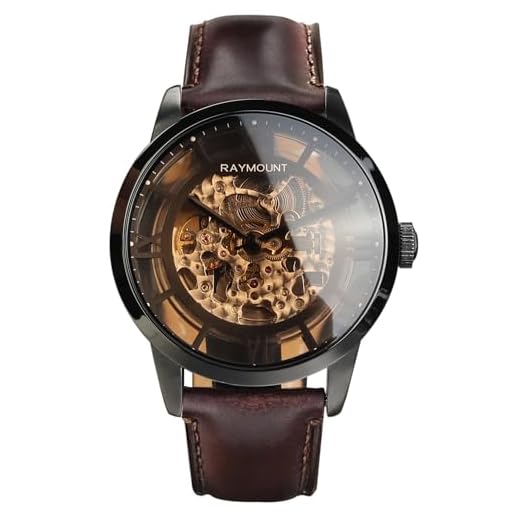

Explore the finishing touches that elevate these devices from mere instruments to wearable art. Polishing, engraving, and meticulous adjustment of the mechanical parts ensure that each piece reflects the dedication of its maker. Quality control inspections at every stage guarantee that only the finest timepieces reach consumers.
By delving into each stage of production, one gains a deeper appreciation for the dedication and skill that define this craft. Understanding these processes highlights the remarkable fusion of science and art embodied in each timekeeping accessory.
Production Process: Sanitary Fixtures and Timepieces
To achieve high quality in restroom installations, manufacturers focus on several key aspects:
- Material Selection: Ceramics are commonly used for durability and ease of cleaning. High-density porcelain is preferred for its resistance to scratches and stains.
- Forming Techniques: Slip casting allows for complex shapes to be created. This method ensures uniform thickness and reduces waste.
- Glazing: A vitreous coating is applied to enhance cleanliness and aesthetic appeal. Different finishes can be offered, including matte and glossy options.
- Fitting Mechanisms: The installation includes precision-engineered flush mechanisms, contributing to efficient water use.
For precision timekeeping instruments, the following are integral:
- Component Fabrication: Parts such as gears and escapements are crafted using high-grade metals like stainless steel and brass, ensuring longevity.
- Assembly Techniques: Hand-assembly remains prevalent for intricate models, ensuring that each piece is aligned with precision.
- Quality Control: Rigorous testing protocols are in place to verify accuracy and durability, including stress tests on springs and water resistance.
- Finishing Processes: Polishing and detailing enhance both function and appearance, providing a refined aesthetic to the final product.
Incorporating advanced technologies like CAD software aids in the design phase for both categories, allowing for precise modeling and simulation before production. Continuous improvement in processes and materials enhances overall product performance, meeting consumer demands for reliability and style.
Understanding the Components of Mechanical Wrist Timepieces
Familiarize yourself with the core elements of mechanical timepieces. The heart of these instruments lies in the movement, which consists of intricate gears and springs working in harmony to measure time accurately. The key components include the mainspring, gear train, escapement, and balance wheel.
Mainspring and Gear Train
The mainspring serves as the power source, coiling tightly to store energy. This energy is gradually released to the gear train, a series of interconnected gears that transmit motion, ultimately driving the hands of the timepiece. Understanding the relationship between the mainspring’s tension and the gear train’s efficiency is vital for maintenance.
<h3 escapement and Balance Wheel
The escapement regulates the release of energy from the mainspring to the gear train. It features a pallet fork and an escape wheel, ensuring precise intervals between ticks. The balance wheel, oscillating back and forth, further stabilizes timekeeping. Calibration of the balance wheel is crucial for accuracy, making regular servicing important to maintain performance.
Materials Used in Bathroom Fixture Production
Porcelain is the primary material utilized for creating bowls and tanks, chosen for its durability and ease of cleaning. The high firing temperature ensures a non-porous surface, enhancing both strength and hygiene.
For flushing systems, high-density plastics, such as ABS (Acrylonitrile Butadiene Styrene), offer resistance to corrosion and chemicals, contributing to longevity. Reinforced components enhance performance while minimizing maintenance needs.
Brass serves as the standard for fittings and valves due to superior resistance to corrosion and wear. Its reliable functioning in water systems ensures effective flow control and long-lasting service.
Sealants and gaskets made from rubber or silicone play a critical role in preventing leaks. These materials are chosen for their flexibility and ability to withstand varied temperature conditions without degrading.
Lastly, ceramic glazes provide aesthetic finishes and additional protection against stains and wear, enhancing visual appeal while maintaining hygiene standards.
Step-by-Step Process of Assembling Mechanical Timepieces
Begin with gathering all necessary components, including the movement, casing, dial, hands, and crystal. A clean, well-lit workspace is essential for precision.
1. Installing the Movement
First, place the movement into the case. Ensure the movement is securely positioned and fasten it with screws if applicable. Check for smooth operation of the gears by gently winding the mechanism.
2. Attaching the Dial and Hands
Carefully align the dial over the movement, securing it with screws or adhesive as needed. Next, attach the hour, minute, and second hands to their respective pivots. Utilize a hand setting tool to avoid damage.
3. Sealing the Case
After the hands are positioned correctly, place the crystal onto the case. Ensure a snug fit to prevent any dust or moisture entry. Use appropriate seals or gaskets for added protection.
4. Final Adjustments and Testing
Wound the mechanism and observe its functionality. Adjust the timekeeping accuracy by regulating the balance wheel. Conduct a thorough inspection for any misalignments or defects.
5. Strap Assembly
Attach the strap or bracelet, ensuring secure connections to the lugs. Verify that the strap is comfortable and adjustable for wearability.
6. Quality Control
Perform final checks on movement accuracy, stability, and overall aesthetics. Retain records of the assembly process for quality assurance purposes.
Conclude with packaging the finished timepiece. Include documentation regarding maintenance and warranty information for the end user.
Manufacturing Techniques for Toilet Fixtures
Focus on precision casting to create durable shell components, utilizing materials like vitreous china for optimal strength and aesthetic appeal. Employ robotic arms for high-speed machining, ensuring consistent surface finishing and dimensional accuracy.
Utilize injection molding for plastic components, allowing for intricate designs while maintaining cost-effectiveness. This method ensures uniformity across mass-produced elements like flush handles and tank mechanisms.
Incorporate advanced glazing techniques post-firing to enhance surface smoothness and resistance to stains, making maintenance easier. Evaluate water-saving designs during the engineering phase, implementing dual flush systems to optimize resource usage.
Integrate quality control checkpoints throughout the assembly line, where dimensional measurements and material integrity tests are performed. This practice ensures that each fixture meets industry standards and customer expectations.
Adopt modular assembly techniques for faster production rates, allowing for components to be pre-assembled before final integration. This reduces assembly time and minimizes potential errors during the final stages.
Engage in continuous improvement practices, leveraging analytics to refine processes and reduce waste. Invest in employee training to enhance skills related to the latest manufacturing technologies and methodologies.
Quality Control Measures in Wrist Watch Production
Implement rigorous inspection protocols at each production phase. Utilize precision instruments to assess dimensional accuracy of components, ensuring adherence to strict tolerances essential for optimal functionality.
Conduct thorough visual examinations to identify cosmetic imperfections on surfaces and ensure aesthetic quality. This should include checks for scratches, blemishes, and alignment issues.
Incorporate stress testing procedures to evaluate the durability of materials. Subject casings and bands to simulated wear and environmental factors like moisture and temperature variations to confirm resistance.
Employ automation technology to enhance inspection efficiency. Automated optical inspection systems can quickly detect faults at a microscopic level, minimizing human errors during quality assurance.
After assembly, perform functional testing of movements. Monitor accuracy over a predetermined period and under various conditions to confirm timekeeping precision within specified limits.
Finally, utilize feedback loops to capture post-production evaluations. Collect data from customers regarding performance and durability, informing continuous improvement initiatives in manufacturing processes.
Innovations in Toilet Technology and Design
Recent advancements in sanitation systems focus on sustainability, comfort, and technology integration. Manufacturers are now prioritizing water conservation methods, leading to the development of low-flow models that minimize water usage without sacrificing performance.
Smart Features
Modern restroom fixtures include integrated smart technology. Features such as automatic flushing, adjustable seat temperatures, and self-cleaning capabilities enhance user experience. Touchless controls and sensors improve hygiene and convenience.
Materials and Eco-friendly Solutions
Innovative materials like ceramic composites and biodegradable plastics create durable and eco-conscious products. Sustainable practices in production reduce environmental impact while ensuring long-lasting functionality. The incorporation of recycled materials in manufacturing processes contributes to resource conservation.
| Feature | Benefit |
|---|---|
| Low-flow Technology | Reduces water consumption |
| Self-cleaning | Enhances hygiene |
| Smart Controls | Improves user convenience |
| Recycled Materials | Reduces environmental impact |
These developments illustrate a significant shift towards modern solutions that blend innovation with practicality, aiming for enhanced user satisfaction and environmental stewardship in restroom design.