
 Ethan Cole
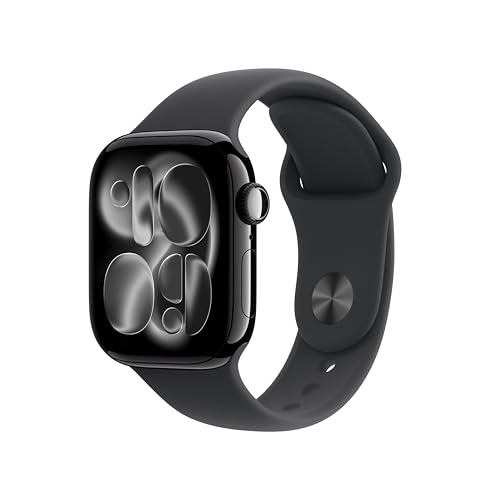
Positioning a timepiece for maximum comfort is essential. A good guideline is to ensure that there is enough slack to allow the band to move slightly while remaining secure. Ideally, the accessory should fit snugly without constricting blood flow, allowing a finger to easily slide between the skin and the strap.
Consider the materials when determining fit. Leather bands typically constrict slightly over time, suggesting a closer fit initially. Metal bracelets can be adjusted for length, providing flexibility to accommodate changes in temperature or activity level. In contrast, silicone or fabric straps may provide more stretch, allowing for a looser yet secure fit.
Testing the fit during various activities is crucial. The timepiece should remain stable when changing positions, whether typing at a desk or engaging in outdoor pursuits. A properly adjusted strap can enhance style and ensure functional use, making it a key element in the overall experience of wearing an accessory.
Optimal Fit for a Timepiece
An ideal fit allows slight movement without discomfort. A good rule is to ensure it rests snugly against the skin, allowing for a finger to slide underneath the band easily.
Positioning varies depending on the design; dress models may sit higher, whereas sports variants commonly rest lower on the arm. Adjust the strap to maintain balance between security and freedom of movement, ensuring not to restrict blood flow.


Material Considerations
Different materials cause varied fits. Leather tends to stretch over time, whereas metal bands may require precise adjustments for comfort. If opting for a flexible option, choose a breathable fabric to mitigate sweat accumulation.
Seasonal Adjustments
Climate plays a role in fit perception. Summer heat can cause slight swelling, so allow a bit more room during warmer months. Conversely, winter may necessitate a tighter fit due to reduced wrist size. Regular checks ensure consistent wearability throughout the year.
Understanding Watch Fit: Comfort vs. Security
The ideal fit for a timepiece prioritizes both comfort and security. A snug feel is critical; however, extreme tightness may cause discomfort or irritation. Aim for a balance where the accessory remains stable without pinching the skin. The right measure should allow for slight movement whereas the device remains in position during daily activities.
For precise fitting, consider the following metrics:
| Factor | Recommendation |
|---|---|
| Movement | A piece should move slightly but not slip over bones. |
| Temperature Change | Adjust fitting based on climate; tighter in colder weather, more relaxed in heat. |
| Wrist Type | Whether slim or broad, proportions matter. Ensure a fit that offers balance without excess. |
| Material | Soft bands provide flexibility; metal may require more precision to avoid pinching. |
| Activity Level | For sports or active use, a firmer fit enhances security; for casual wear, comfort is preferable. |
Maintaining this equilibrium not only ensures regular use without strain but also enhances the aesthetic appeal. Regular adjustments are recommended as the fit can fluctuate due to various factors including weight changes or material stretch.
Measuring Your Wrist Size for Optimal Fit
To achieve the perfect fit, measure the circumference of the lower part of the forearm just above the bony protrusion. Utilize a flexible tape measure or a piece of string, then place it against a ruler to obtain an accurate length. Ensure a snug fit around the area without compressing the skin.
Choosing the Right Size
Once you have the measurement, consult sizing charts typically provided by brands or retailers. They usually categorize dimensions into small, medium, and large. Each category corresponds to ranges of wrist sizes, allowing choice based on personal preference for comfort and stability.
Adjustability Features
Look for timepieces with adjustable bands or links, enabling fine-tuning for comfort. Some designs include quick-release mechanisms or additional slots that facilitate precise fitting. This adaptability can significantly enhance the overall wearing experience.
Taking an accurate measurement and selecting the appropriate size ensures a piece feels secure yet comfortable throughout the day.
Common Symptoms of a Poorly Fitted Timepiece
Awareness of how an ill-fitting accessory may manifest can enhance overall wearing experience. Common indicators include:
- Movement: Excessive sliding during daily activities may indicate inadequate snugness, leading to distraction.
- Discomfort: A tight sensation, causing pinching or skin irritation, often signals the need for adjustment.
- Alignment Issues: If the dial shifts from the top of the arm to the side, an improper size is likely, affecting both visibility and style.
- Swelling: If noticeable swelling occurs beneath the band, it may signify too much pressure, demanding a looser fit.
- Temperature Sensitivity: If the skin feels overly warm or sweaty beneath the band, this could mean it’s constricting blood flow.
Evaluating Fit
Regular checks can help maintain comfort. Observe how the timepiece feels throughout diverse activities and environments:
- Test movement by rotating the arm.
- Check for any constant marks upon removal.
- Monitor how it feels during temperature changes.
Adjustments may be necessary to achieve a balanced combination of comfort and security, ensuring satisfaction with the accessory. Frequent attention to these signs can prevent discomfort and extend the lifespan of the item.
Adjusting Metal and Leather Straps for Proper Fit
Metal bracelets often feature removable links, allowing for precise adjustments. To achieve a snug and comfortable hold, remove one or more links from the end of the strap. Use a link removal tool or take it to a professional jeweler for the best results.
- For metal bands, measure the desired fit on the arm before resizing.
- Adjustments typically range from 1 to 3 links, depending on personal comfort.
Leather bands utilize holes and buckles for adjustment. For optimal comfort, position the buckle in the middle hole when trying on. This allows for slight adjustments in either direction. If the strap is too long, consider seeking a bespoke option or a replacement strap.
- Identify the most utilized hole for accurate positioning.
- Keep a finger’s width of space between skin and strap for breathability.
Regularly check and maintain the integrity of both strap types, ensuring that materials remain in good condition. This will extend the lifespan and aesthetic appeal of the timepiece.
Seasonal Factors Affecting Watch Tightness
The adjustment of a timepiece can vary significantly with changing seasons. During warmer months, increased temperature and humidity lead to wrist swelling, necessitating a slightly looser fit for comfort. Conversely, in cooler temperatures, contraction can make a timepiece feel more secure, allowing for a tighter adjustment.
Humidity impacts skin moisture levels; higher moisture can cause your skin to retain more fluid, while drier air can lead to shrinkage. This means measurements taken in summer might differ notably from those in winter, so periodic reassessment of fit is beneficial.
Physical activity often increases during summer, influencing how a strap sits on skin. Swimmers or outdoor adventurers may prefer a more secure fit to prevent slipping. Winter activities might restrict wrist movement, suggesting a need for looser adjustments to accommodate layers of clothing.
Alloy materials respond differently to temperature changes. Metal bracelets may contract in colder weather, creating a snug fit, while leather straps can stretch with heat and wear. Maintaining awareness of material behavior with seasonal shifts aids in achieving optimal comfort.
For individuals who frequently switch between indoor and outdoor environments, the influence of environmental conditions on tightness cannot be overlooked. Adapting fit according to these changes ensures functionality aligns with daily activities and comfort requirements throughout the year.
Choosing the Right Watch Style Based on Fit Preferences
For a comfortable experience, select a piece that complements personal taste while ensuring an optimal embrace of your arm. If a snugger fit suits you, consider styles with integrated straps or closed cases that minimize movement. For those who prefer a bit more space, opt for models with adjustable bands or flexible link designs.
Sporty vs. Classic
Sport watches typically have a more secure grip due to their design, often incorporating rubber or synthetic materials that conform well during activity. Classic designs, such as dress timepieces, often give a sophisticated look but may require adjustments to ensure stability without slipping. Evaluate how often the piece will be worn in various settings to determine the best construction and strap style.
Material Matters
Different materials affect fit comfort significantly. Metal bands often offer an elegant aesthetic but might necessitate resizing for a perfect hold. Leather options tend to conform to the body better over time, providing a cozy fit but might feel tighter initially. Synthetic and fabric straps usually allow for more wiggle room and flexibility, making them an ideal choice for versatility.
Ultimately, aligning style preferences with fit requirements enhances the overall satisfaction and wearability of the accessory.
FAQ:
How can I tell if my watch is too loose on my wrist?
A watch that is too loose may slide around on your wrist, making it uncomfortable and difficult to read the time. A good test is to slide a finger under the watch; if you can fit more than one finger easily, it might be too loose. Additionally, when you move your wrist, the watch should stay in place and not rotate excessively. Ideally, it should feel secure but not overly tight. If you’re constantly adjusting it during the day, it’s a sign to consider a tighter fit.
What are the best practices for adjusting a watch to fit properly?
To achieve a proper fit, it’s recommended to measure your wrist’s circumference accurately. You can use a cloth tape measure or a piece of string. Most watches have adjustable links or holes in the strap that can be altered to fit comfortably. If you’re unsure, visiting a watchmaker can help ensure the best fit. The watch should rest just above the wrist bone and shouldn’t pinch or cause discomfort. Regularly check the fit if you notice changes in your wrist size due to heat, cold, or activity.
Is it better for a watch to be tight or loose on the wrist?
The best fit for a watch is one that feels secure without being too tight. A tight watch can restrict blood circulation, cause skin irritation, and can even be uncomfortable over time. Conversely, a watch that is too loose can lead to the risk of it falling off or getting damaged. The ideal fit allows for slight movement, preventing it from sliding too much but keeping it stable. Finding this balance ensures that you can wear your watch comfortably while maintaining its functionality and style.



