
 Ethan Cole
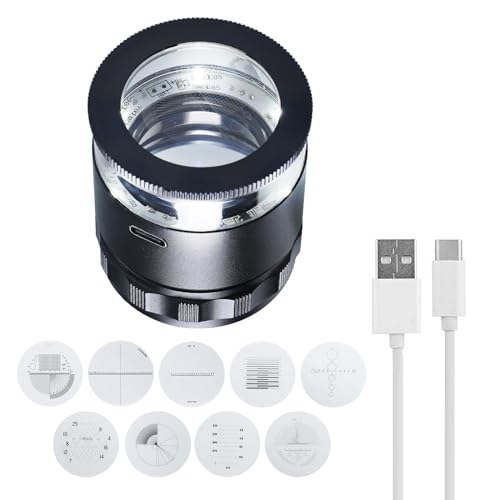
The retail market for vintage timepieces can range significantly, with estimates often falling between $200 to $2,000 based on its condition, rarity, and historical relevance. To gauge the price more precisely, examine the craftsmanship, materials used, and any unique features your piece may possess. A complete set, including original packaging and documentation, can dramatically increase its appeal to collectors and enthusiasts alike.
Engage with established appraisal services or reputable auction houses that specialize in horology. They can provide a documented valuation, which may serve as a reliable benchmark. An alternative method is researching recent auction results for similar models, as this can offer insights into current market trends and demand. Online platforms, discussion forums, and collector websites can also serve as valuable resources for comparative analysis.
Condition plays a critical role; thorough inspections for mechanical integrity, aesthetics, and appropriate servicing history are essential. Ensure to avoid DIY repairs that may detract from your piece’s value. High-resolution photographs can help in obtaining estimates and attract potential buyers if you decide to sell. By gathering detailed information and verifying your piece’s provenance, you can navigate the market effectively.
Valuation Insights for Your Classic Timepiece
To determine the financial estimate of your classic timepiece, examine its condition, rarity, and historical significance. Look for identifying marks, such as serial numbers and model types, which can aid collectors in assessing quality and demand.
Assessing Condition
Detailed inspection is key; any restoration or repairs may affect market value. Original components significantly enhance desirability and pricing. Check for scratches, mechanical functionality, and the presence of original packaging or documentation.
Market Comparison
Research recent sales of comparable units through auctions, online platforms, and specialty retailers. Estimating based on sale prices can provide a clearer picture of your item’s position in the current marketplace. Engage with collector communities or forums for insights and trends that might influence demand.
Identifying the Model and Serial Number of Your Timepiece
Locate the serial number on the case back or inside the back cover. Often, it is engraved or stamped and consists of letters and numbers. This number aids in determining the production year and model type.
For better identification, take note of the following:
| Serial Number Range | Approximate Production Year |
|---|---|
| 1 – 180000 | 1867 – 1896 |
| 180001 – 250000 | 1896 – 1909 |
| 250001 – 300000 | 1910 – 1920 |
| 300001 – 400000 | 1920 – 1938 |
| 400001 onwards | 1938 – 1968 |
In addition to the serial number, different models often have specific markings or features, such as the design of the dial, type of movement, or case style. Researching these characteristics can clarify the distinctive aspects of your timepiece.
Consult online databases or forums dedicated to horology to compare images and descriptions, facilitating a more precise identification. Consider reaching out to collectors or appraisers who specialize in vintage timepieces for insights.
Assessing the Condition and Functionality of the Timepiece
Examine the surface for scratches, dents, or any signs of wear. A pristine condition significantly enhances value.

- Movement Inspection: Verify if the movement operates seamlessly. A well-functioning mechanism is crucial for appraisal.
- Components Check: Ensure all parts, including the crown, crystal, and case, are original. Replacement parts can lower market value.
- Water Resistance: Test for water resistance, as older pieces may lack this feature. A watertight timepiece is more desirable.
- Strap Evaluation: Assess the strap’s condition. A genuine strap is preferable, while a worn or non-original strap can diminish appeal.
Having the piece serviced by a qualified watchmaker can improve functionality and aesthetic appeal. Document any restoration work, as this adds to credibility.
- Keep the timepiece away from extreme temperatures and magnetic fields to maintain its condition.
- Regularly wind the mechanism to prevent oil from thickening, which can lead to issues.
Comprehensive assessment of these factors ensures an accurate evaluation, aiding potential sellers and collectors in understanding its significance in the market.
Researching Comparable Sales and Market Trends
Investigate recent transactions involving similar timepieces to establish realistic pricing. Utilize online marketplaces such as eBay, Chrono24, or specialized auction sites to find completed listings that match your model. Pay close attention to features like age, condition, and any unique elements that could influence value.
Utilizing Auction Results and Sales Records
Search for auction results from reputable houses that specialize in timepieces. Many auction sites provide searchable databases, allowing you to filter results by brand, model, and condition. Analyze final sale prices in these records to understand current market values and buyer interest in specific models.
Monitoring Online Communities and Market Reports
Participate in watch enthusiast forums and social media groups. Engaging with fellow collectors can offer insights into market trends and highlight sales that may not be readily visible. Additionally, keep an eye on market reports published by watch magazines or blogs, as they often provide valuable context on shifts in demand and pricing.
Understanding the Impact of Age and Craftsmanship on Value
Age significantly influences the valuation of a timepiece. Generally, the older the piece, the more historical significance it may possess, which often translates to a higher price. Collectors frequently seek models from distinct periods, such as those produced during the early 20th century, often perceiving them as more desirable due to their rarity.
Craftsmanship Distinctions
Craftsmanship plays a vital role in determining a timepiece’s monetary value. High-quality components, intricate designs, and meticulous assembly denote superior craftsmanship. Signs of handmade elements, such as finely engraved details or unique movement mechanisms, can enhance desirability among aficionados. Ensure to examine these aspects carefully before appraisal.
Significance of Historical Context
Understanding the historical context of the item can also bolster its worth. Limited editions or models associated with significant events or personalities may carry a premium. Research the era in which your item was crafted and note any relevant stories or milestones; this context can greatly enrich its appeal and market price.
Consulting Professional Appraisers and Collectors for Insights
Engage with certified appraisers to gain accurate assessments of your timepiece. Seek specialists who focus on vintage timepieces, as they possess the necessary knowledge about brand history and specific variations. Schedule an appointment for an in-person evaluation, where they can examine the mechanism and exterior directly. Expect to provide documentation and photographs to assist in their analysis.
Networking with collectors can yield valuable insights. Attend watch fairs, trade shows, or join online forums specifically dedicated to timepiece enthusiasts. Engaging in discussions can unveil market dynamics and personal valuations. Consider reaching out to local collector clubs; members often share experiences and expert recommendations.
Investigate online appraisal services that provide written evaluations for a fee. These platforms may offer convenience and allow you to connect with experts across the globe who might specialize in precisely what you own. Compare multiple appraisals to ensure a balanced perspective on your instrument’s value, as opinions may vary significantly.
Document any repairs or modifications made over the years. This information is pivotal during assessments, as it can impact the overall evaluation. A fully functional, original condition item typically attracts higher interest among aficionados and collectors alike.
Lastly, stay informed about market trends by following auction house results, particularly those known for selling similar models. Understanding the prices that collectors are willing to pay can guide your expectations and decisions regarding pricing or selling your cherished piece.



