
 Ethan Cole

The ideal movement of a timepiece on the forearm is between one to two centimeters during regular activities. This slight shifting is essential for comfort while allowing proper circulation beneath the strap.
The positioning should feel secure yet not constrictive. A snug fit guarantees that the device remains in place for accurate reading, but it’s crucial to prevent excessive pressure, which can lead to discomfort or skin irritation. Regular adjustments may be necessary based on the day’s activities or fluctuations in temperature, which can cause swelling.
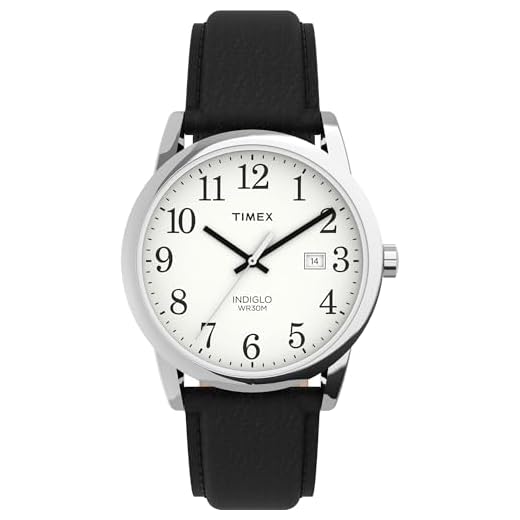

To maintain functionality, keep the band clean and check for wear, as any damage could affect how it fits during movement. Regularly reassessing the fit can enhance overall experience, making it more enjoyable and practical for daily wear.
Appropriate Movement of a Timepiece on the Arm
Ideal displacement of a timepiece on the arm typically ranges from 1 to 2 centimeters during normal activities.
Factors Influencing Displacement
- Size and design of the strap can impact fit and retention.
- Wrist circumference plays a vital role in determining how snugly the accessory sits.
- Type of material used in both the timepiece and the band can influence comfort and security.
Recommended Adjustments for Comfort
- Ensure the accessory isn’t overly tight to prevent discomfort and circulation issues.
- Regularly check the fit throughout the day, as changes in temperature can cause swelling.
- Consider using additional links or adjusting the clasp for a more tailored fit.
Maintaining a reasonable amount of movement not only enhances comfort but also prevents unnecessary wear on the timepiece itself.
Understanding Watch Fit and Comfort
The ideal sizing of a timepiece should allow minimal displacement, aiming for slight movement while maintaining a snug embrace. A guideline is to ensure no more than 1-2 centimeters of play as one goes about daily activities.
A few factors influence how a timepiece fits, including the band material, case size, and individual anatomy. Flexible bands such as leather or rubber provide added comfort and adaptability, whereas metal bracelets may require precise adjustments to achieve a seamless fit.
Consider the following points to enhance wearability:
| Aspect | Recommendation |
|---|---|
| Band Material | Choose flexible materials like rubber or leather for comfort. |
| Case Size | Opt for a dimension that complements wrist circumference; typically, 38-42mm suits most wrist sizes. |
| Adjustment | Regularly adjust the strap for seasonal changes, as wrist sizes can fluctuate. |
| Wearing Time | Take breaks or rotate wearing habits to prevent discomfort during prolonged use. |
It’s advisable to test various models before purchase. A quality fit ultimately enhances both functionality and style, ensuring the piece serves both aesthetic and practical purposes.
Factors Influencing Watch Movement on the Wrist
Fit is a primary consideration; it should allow for slight freedom without excessive slack. A snug yet comfortable grip ensures stability while preventing unwanted slippage.
Weight plays a role; heavier pieces may feel more secure, but can also lead to discomfort during extended wear. Materials affect this aspect significantly–lightweight metals or synthetic materials may enhance ease of wearing.
Wrist shape and size vary; broader wrists may accommodate slightly larger models without excess movement, while narrower wrists might benefit from more compact designs for an optimal balance.
Wearing style influences positioning. An angle shift during activities can change how firmly a timepiece sits. Adjusting the position occasionally may enhance comfort and reduce movement.
Fasteners also matter. Robust clasps or buckles contribute to stability, allowing for adjustments, while looser options may result in unpredictable shifting.
Activity level affects constraints. Engaging in physical endeavors might require firmer fitting solutions to prevent unnecessary displacement, while sedentary use offers the chance for a more relaxed approach.
Finally, personal preference cannot be overlooked. Some individuals prefer a firmer fit for security, while others lean towards a looser style for comfort. Tailoring these factors to personal liking provides an optimal experience.
Signs of a Poorly Fitted Timepiece
A timekeeper that is either too loose or too tight can result in discomfort and functional issues. To identify a poorly adjusted accessory, look for the following indicators:
Excessive Movement
If the piece shifts significantly or rotates around the arm, it indicates an improper fit. A properly secured item should remain relatively stable, allowing for slight movement but not excessive sliding.
Compression Marks
Red or imprinted skin where the band contacts the arm signifies that the piece is overly tight. This can lead to irritation or even restricted circulation, necessitating an immediate adjustment.
Another sign includes persistent discomfort; if wearing causes irritation, pressure points, or consistent rubbing, reevaluating the fit is crucial. Additionally, if the clasp repeatedly opens or feels loose, further assessment of the sizing is warranted.
Regularly check for signs of wear on the strap or body if the timepiece is incorrectly fitted. Abrasion or damage may occur when positioned improperly, often leading to premature aging or the need for replacement.
Adjusting Your Timepiece for Optimal Mobility
Begin with a fit where the accessory is snug yet comfortable. Aim for a slight clearance of around 0.5 to 1 inch between the surface and skin, permitting natural circulation.
Examine the strap or bracelet. Materials like leather might require slight loosening over time, especially with regular wear, to maintain flexibility.
If the clasp allows for adjustments, utilize its features. A secure fit minimizes excessive shifting, which can lead to pinch points or irritation. Reassess the fit periodically to adapt to changes in wrist size due to temperature or activity.
Consider seasonal adjustments. Warmer months may increase wrist circumference, so a looser setting might enhance comfort. Conversely, colder conditions might necessitate tightening.
Be mindful of the style of attire worn. A tight-fitting suit may demand a different adjustment than relaxed casual wear. Tailoring the fit based on outfit choice can enhance overall appearance and comfort.
Monitor the timepiece’s stability during physical activities. If it shifts excessively during movement, consider seeking a more secure closure or a different style altogether.
Regular maintenance of the fastening mechanism is vital. Ensure it functions smoothly to prevent accidental drop-offs. Clean any debris that may interfere with effective gripping.
Lastly, observe for any discomfort. If friction occurs, reassessing the size and fit can improve the experience while wearing the item.
Comparing Different Styles and Their Movement
For optimal comfort, the fit varies depending on the design of the timepiece. Examples include classic, sports, and minimalist styles, each with unique characteristics affecting adaptability on the skin.
Classic Timepieces
Traditional models often feature leather straps, allowing for minimal slippage. These designs are best suited for formal occasions due to their tighter fit preferences.
Sports Models
- These are designed for active use, generally boasting rubber or metal bracelets.
- The looser fit is preferred to accommodate movement, yet secure enough to prevent unwanted shifts.
- Consider adjustable features to enable personal calibration.
Minimalist Designs
- Characterized by sleek lines and often lighter materials, these pieces prioritize comfort.
- A snug fit enhances the aesthetic appeal without sacrificing comfort.
- Adjustable straps can help achieve a balance between style and ease.
In comparing styles, prioritize balance between design and fit for a pleasing experience. Tailoring the size to suit the specific style will enhance wearability and lead to greater satisfaction.


