
 Ethan Cole
For a balanced fit, place the timepiece approximately 1-2 finger widths above the bony prominence of the arm bone. This distance ensures comfort while allowing for unrestricted movement.
Choose the right size: The diameter of the dial should complement the size of the arm for a proportional appearance. Generally, dials between 36mm and 42mm suit most individuals, with larger diameters preferred by those with broader limbs.
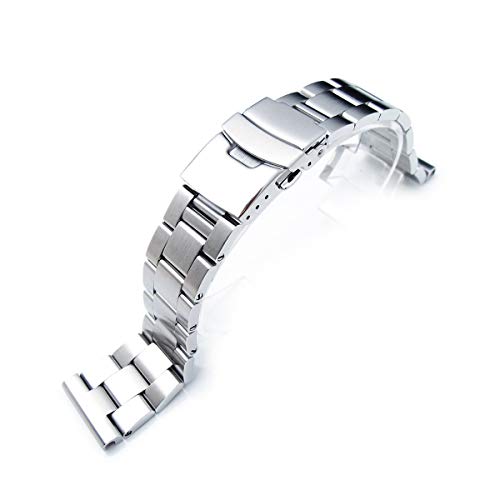
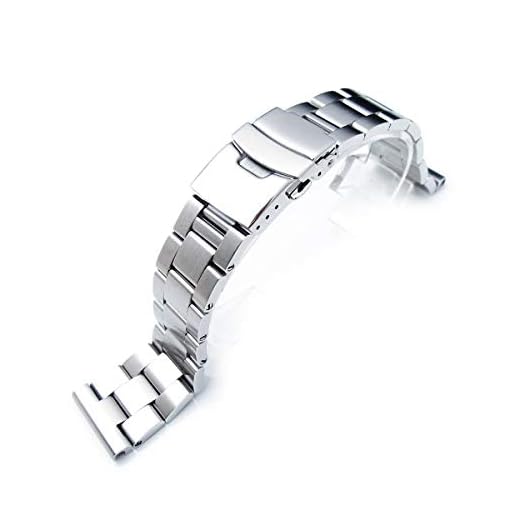
The band should be snug yet comfortable. A good rule is that a gentle tug should not fully displace the piece, but the pressure should not cause irritation either. Metal bands are typically more adjustable, while leather may require sizing adjustments.

Consider the occasion: Sportier designs can rest slightly lower for secure activity, while dressier styles should maintain a higher position for elegance. Observe how the timepiece behaves during movement; it should stay in place without sliding.
Optimal Placement of a Timepiece on the Arm
The ideal location for a timepiece is just above the wrist bone, allowing for comfort without restricting movement. Ensure that it is snug enough to prevent sliding but loose enough to avoid pinching the skin. Finger’s width between the band and the arm is a good reference for fit.
Adjusting for Comfort
Use a fabric or leather strap over metal bands for enhanced comfort, particularly in warmer weather. Taking climate into account, opt for lighter materials if sweating or humidity is expected. Regularly evaluate the fit throughout the day, as adjustments might be necessary due to swelling or temperature changes.
Style Considerations
Size of the piece influences its placement. Larger designs can be worn lower on the forearm, while slimmer models complement the wrist better when secured higher. Harmonize with clothing styles; formal attire pairs well with sleek, minimalistic designs at the wrist, while casual outfits can accommodate bolder styles lower on the arm.
Understanding Wrist Anatomy for Optimal Fit
The ideal placement of a timepiece involves knowing the anatomy of the forearm. Key areas to assess include the circumference, bone structure, and overall flexibility. An accurate measurement of the wrist’s girth may guide the choice of strap length or clasp type, affecting comfort and style.
The wrist comprises bones, tendons, and soft tissues, impacting how accessories interact with movement. Observe the ulna and radius to determine the bony protrusions that may affect positioning. Gaps or tightness around these areas can signal necessary adjustments in sizing.
Measuring Techniques
Using a fabric tape measure allows for precise calculations around the broadest part of the wrist. Check for snugness without pinching the skin; this ensures the band does not restrict blood flow during activity. Aim for a small space between the accessory and skin to prevent discomfort while permitting airflow.
Flexibility and Activity Level
For those with a more active lifestyle, consider a looser fit. Increased motion may generate friction, leading to irritation. Alternatively, if usage is predominantly sedentary, a streamlined fit offers better aesthetics. Understanding personal habits aids in determining the right balance between snugness and ease.
Choosing the Right Watch Size for Your Wrist
Select a timepiece with a case diameter that complements the dimensions of the arm. For individuals with slender arms, cases between 34mm and 40mm offer a balanced appearance, while wider frames can handle sizes ranging from 40mm to 44mm, creating a harmonious look.
Measuring Techniques
To ascertain the ideal fit, measure the circumference of the arm just above the bone. Use a flexible measuring tape or a piece of string followed by measuring against a ruler. This figure, in centimeters or inches, will guide the selection of the appropriate size.
| Wrist Size (inches) | Recommended Case Size (mm) |
|---|---|
| 5.5 – 6.5 | 34 – 36 |
| 6.5 – 7.5 | 36 – 40 |
| 7.5 – 8.5 | 40 – 44 |
Weight Considerations
Ponder the heft of the timekeeper. A lighter model tends to be more comfortable for extended wear, while heavier options can be more stylistically bold. Balance style and comfort based on personal preference for everyday or occasional use.
Adjusting Strap for Comfort and Security
Adjusting the strap accurately is crucial for comfort and stability. A proper fit allows the timepiece to rest snugly against the skin without excessive pressure or movement. Aim for a fit where the band feels secure but can slide slightly, allowing for minimal movement. Utilize micro-adjustments available on many straps to achieve this balance.
Techniques for Modification
For leather or fabric bands, add or remove links or fastenings based on desired tightness. With metal bracelets, using a link removal tool can facilitate the alteration process, ensuring a tailored fit. Spring bars on many designs allow easy adjustment, enabling quick changes if the need arises.
Monitoring Strap Position
Periodically check the placement. It’s recommended to position the piece just above the wrist bone during activity and reposition it lower during rest. This adjustment prevents unnecessary friction and ensures natural movement. Being attentive to these small details enhances the utility and experience of wearing a fine accessory.
Identifying the Best Position on Your Wrist
For optimal comfort and functionality, place the timepiece about one inch above the bony protrusion at the base of the hand. This positioning allows for a better fit while maintaining visibility.
Consider the following factors for precise adjustment:
- Bone Structure: Evaluate the shape and size of the wrist. Individuals with prominent bones may prefer a higher or lower placement for ease of movement.
- Activity Level: For those engaged in sports or manual labor, a secure yet slightly elevated location prevents friction and mitigates potential damage.
- Personal Preference: Style and aesthetic play a crucial role. Some may favor a snugger fit, while others may choose a looser arrangement for a relaxed look.
To determine the best configuration, try various positions and secure the strap accordingly. The right placement ensures that the piece remains functional, stylish, and unobtrusive.
Maintaining Proper Timepiece Movement and Functionality
Regular winding is key for mechanical mechanisms. Manually wind daily or at least once a week to keep it powered. For automatic types, wearing for at least 8-12 hours daily helps maintain energy reserve.
Positioning matters; wearing horizontally aligns the timepiece’s internals and reduces wear. Avoid exposure to extreme temperatures or magnetic fields that can disrupt accuracy. Keep away from fans or speakers that might cause vibrations.
Cleaning is vital. Use a soft, lint-free cloth to remove dirt and sweat from the exterior regularly. Check for moisture seals and resistances to maintain waterproof ratings, ensuring longevity.
Inspection every few years by a certified expert is advisable. Restringing or replacing components helps maintain accuracy, preventing more significant issues. Service intervals vary based on movement type, so consult the manual for specifics.
Battery replacement for quartz types is crucial. Deteriorated batteries can leak, damaging internal components. Change batteries at the first sign of irregularities to maintain performance.


