Ethan Cole

Understanding the intricacies of timekeeping devices reveals the remarkable synergy of engineering and craftsmanship. At the core lies a movement, often categorized as mechanical or quartz, each serving a unique function with precise methodologies. Mechanical movements utilize a series of gears and springs that rely on manual winding or automatic winding mechanisms to store energy, while quartz mechanisms depend on crystal oscillation for accuracy.
For enthusiasts and casual users alike, examining key components like the escapement, balance wheel, and rotor enhances comprehension of functionality. The escapement regulates the release of energy from the mainspring, ensuring consistent time intervals. The balance wheel, oscillating at a specific frequency, works in tandem with the escapement to maintain accuracy. In automatic designs, the rotor captures kinetic energy from wrist movements, making manual winding unnecessary.
Maintenance plays a pivotal role in longevity and performance. Regular servicing, battery replacement (for quartz varieties), and attention to potential water resistance are essential for preserving functionality. Familiarity with basic troubleshooting, such as adjusting time and date settings, ensures optimal use of these intricate machines.


Mechanism of a Timepiece
To understand a timekeeping device, focus on the balance wheel and escapement. These components govern the regulation of time by transferring energy in controlled bursts. The balance wheel oscillates, maintaining a consistent rhythm that drives the entire mechanism.
Power Source
Mechanical models rely on a mainspring, which stores energy that gradually releases through a gear train. In contrast, quartz timepieces utilize a battery and a quartz crystal. The crystal vibrates at a precise frequency, delivering accurate timekeeping.
Readability and Functions
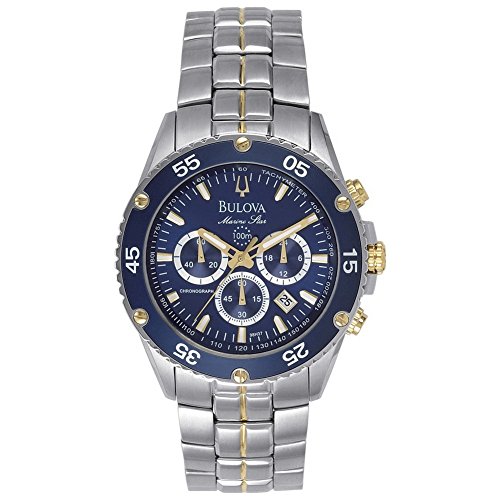
Numerous designs incorporate various features, such as chronographs and calendars. Ensure that the dial displays information clearly, promoting easy readability. Enhanced luminescence in the hands and markers contributes to usability in low-light conditions. Consider the complexity of functions based on your requirements for specific activities.
The Mechanisms Behind Quartz Movements
A quartz movement relies on precise oscillations of a quartz crystal to maintain time accuracy. Most commonly, a battery powers this system, sending electrical energy to a quartz crystal, which vibrates at a consistent frequency of 32,768 Hz.
Components of Quartz Mechanisms
The primary components of a quartz mechanism include the battery, quartz crystal, integrated circuit, and the stepper motor. The battery provides energy, while the integrated circuit translates the vibrations of the quartz crystal into mechanical movements, effectively counting the oscillations. This information then drives the stepper motor, which moves the hands on the dial at measured intervals.
Advantages of Quartz Technology
Quartz technology offers several advantages: superior accuracy compared to mechanical counterparts, lower maintenance needs, and affordability in manufacturing. Unlike mechanical systems that require regular winding and lubrication, quartz movements typically require only periodic battery replacement, making them user-friendly and reliable for daily wear.
Understanding Automatic and Manual Timepieces
Choose between two primary types: automatic and manual. Automatic mechanisms wind themselves through the motion of the wearer’s arm, harnessing kinetic energy to power the movement. This self-winding feature ensures that, with regular wear, the timepiece remains operational without needing manual winding.
Manual timepieces require human intervention for winding. Owners must rotate the crown periodically to tighten the mainspring, storing energy for the mechanism to function. This approach appeals to enthusiasts who appreciate tactile engagement and the connection between the owner and their instrument.
Advantages of Automatic Models
Automatic designs usually offer convenience. They are ideal for daily wear, requiring little maintenance besides occasional servicing. The craftsmanship often found in these pieces attracts collectors, as many feature intricate movements and designs.
Benefits of Manual Mechanisms
Manual wristpieces often include slimmer profiles, emphasizing aesthetic elegance. Many aficionados appreciate the artistry involved in their construction. Moreover, these instruments allow for a personalized rhythm of winding, which can enhance the owner’s appreciation of the timepiece.
Ultimately, the choice depends on personal preference and desired interaction level with the mechanism. Both types provide distinct experiences and contribute uniquely to horological craftsmanship.
Maintaining Your Timepiece for Longevity
Regular cleaning is key. Use a soft, lint-free cloth to wipe the exterior regularly to prevent dirt buildup.
Keep your accessory away from extreme temperatures and avoid exposing it to strong magnetic fields which can disrupt movement functionality.
- Every 3 to 5 years, consider having it professionally serviced. This includes oiling components and checking accuracy.
- For automatic and manual models, wind the mechanism regularly to ensure optimal performance. Avoid over-winding to prevent potential damage.
- Check the water resistance rating and have seals replaced if needed, especially after battery changes or repairs.
Avoid wearing it during heavy physical activities to reduce the risk of scratches and impacts. If engaging in water activities, ensure the seals are intact.
- Avoid exposing it to chemicals such as perfumes, lotions, or cleaning products to prevent damage to the materials.
- Store in a protective case when not in use to minimize the chances of dust accumulation and scratches.
- Maintain a regular schedule for battery replacement to prevent leakage and potential damage to the internal components.
Following these guidelines ensures the longevity of your prized accessory, keeping it functional and aesthetically pleasing for years to come.
Exploring the Role of Gears and Escapements
Precision in timekeeping relies heavily on the interplay between gears and escapements. Gears serve to transmit motion and control the speed of the mechanism, creating a harmonized flow that converts the energy from the mainspring into regulated movement. Each gear connects with others in a sequence, affecting torque and velocity, ensuring accurate time display.
Escapements play a pivotal role in regulating the gear train’s motion. They release energy from the mainspring in controlled increments, allowing the hands of the timepiece to advance smoothly. The most common type, the Swiss lever escapement, utilizes a balance wheel that oscillates, enabling the gear train to engage and disengage at precise intervals, enhancing accuracy.
The escapement’s design directly impacts the overall performance of the mechanism. Variation in escapement types, such as co-axial or detent systems, can influence power efficiency and precision as well. Careful selection and calibration are key to achieving optimal performance, ensuring longevity and reliability in the garment.
In mechanical designs, proper lubrication of gears and escapements is crucial. Use high-quality lubricants to minimize friction and wear. Routine maintenance checks can identify potential issues early, facilitating required adjustments and extending the lifespan of the mechanism significantly.
The Importance of Watch Calibers Explained
Choosing a caliber is pivotal for performance in timepieces. A caliber defines the movement’s design, which influences accuracy, power reserve, and functionality. Different calibers cater to specific preferences and requirements, impacting prices, durability, and maintenance needs.
Caliber types include mechanical, quartz, and hybrid. Each has unique attributes that determine suitability based on user’s lifestyle and usage. Mechanical movements often provide the charm of craftsmanship, while quartz offers precise timekeeping with less maintenance.
| Caliber Type | Accuracy | Power Reserve | Maintenance |
|---|---|---|---|
| Mechanical | +/- 5 seconds per day | 40-80 hours | Regular servicing required |
| Quartz | +/- 15 seconds per month | 2-5 years (battery life) | Minimal, typically battery replacement |
| Hybrid | Varies | Varies | Regular mechanisms service; battery change required |
Having an understanding of caliber specifications enhances decision-making for potential buyers. Certain brands specialize in distinctive movements, elevating the entire experience. Researching these characteristics can lead to a more satisfying selection.
Furthermore, recognizing the significance of a caliber contributes to the overall appreciation of horology. Knowledgeable collectors often focus on movements that embody innovation and quality, investing in pieces that stand out in craftsmanship and history.
Reading Complications Accurately
For complex timepieces featuring additional functions, prioritize familiarization with each complication’s specific purpose. Begin with the date display; ensure you identify the format–day, date, or month. Complications like chronographs require understanding of sub-dials indicating seconds, minutes, or hours separate from the main time display.
Understanding Sub-Dials
Sub-dials often provide vital information, such as elapsed time or secondary time zones. Read them carefully, noting that many chronographs feature a central seconds hand while the sub-dial records minutes. Pay attention to the layout–some models have overlapping or non-standard readings, thus careful examination is essential.
Interpreting Other Functions
Functions such as moon phases or annual calendars require timepiece-specific knowledge. For moon phase indicators, recognize the cycle typically spans 29.5 days, so verify the alignment with the current lunar phase. Annual calendars simplify date adjustments, activating only once a year, yet accuracy relies on understanding leap years to avoid discrepancies.