
 Ethan Cole

To successfully take apart a tactical timepiece, gather essential tools: a precision screwdriver set, case knife, and tweezers. This will ensure you can handle small components with care. Begin by carefully removing the case back using the case knife, applying gentle pressure to avoid scratching the surface.
Next, identify the movement. Detach the crown by pulling it out gently and turning it counterclockwise. After that, remove the movement’s holder screws with the precision screwdriver, allowing for easy extraction. Ensure you place all screws and components in a designated container to keep them organized and prevent loss.
Once the movement is free, you can access the dial and hands. Use tweezers to lift off the hands carefully, starting with the second hand, followed by the minute and hour hands. After this, the dial can be removed by unscrewing its retaining screws. Handle all parts with precision to maintain the integrity of the device.

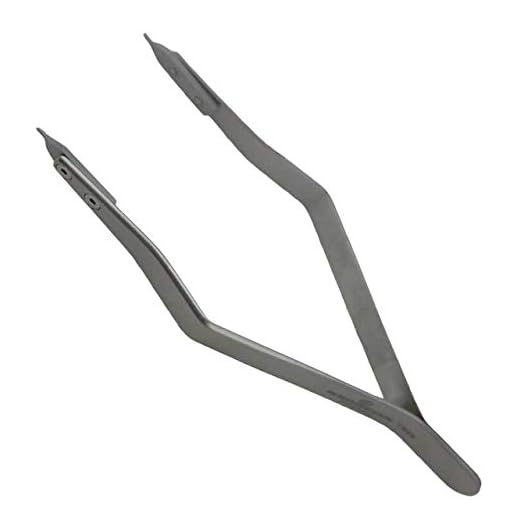

Taking Apart a Tactical Timepiece
Begin with a flat, clean workspace to prevent any small components from being lost. Use a soft cloth to protect the surface and the item itself from scratches.
Gather necessary tools: a case back opener, tweezers, a small screwdriver set, and a magnifying glass. Ensure these tools are of good quality to avoid damaging delicate parts.
Carefully remove the strap by unscrewing the spring bars. Be cautious as they can spring out unexpectedly. Set these aside for reassembly later.
Next, locate the case back. Use the case back opener to gently pry it off. If it’s fitted tightly, apply mild pressure evenly around the edge to loosen it.
Once the back is removed, identify the movement. Take note of the positioning of components before disassembly, using photographs if necessary for reference.
Remove the movement by loosening any securing screws. Handle with precision, as damage can occur to fragile elements.
Take off the hands using a hand puller, ensuring to note their original positions for reassembly. Store them in a safe location.
Next, detach the dial from the movement carefully. Pay attention to any adhesive used and avoid excessive force.
After separating all components, clean each part with a watch cleaning solution and soft cloth. Avoid abrasive materials that could scratch surfaces.
To reassemble, follow the disassembly steps in reverse order, ensuring everything is positioned correctly and securely fastened.
Keep the workspace organized throughout the process to facilitate the smooth reassembly of your tactical timepiece.
Gather the Necessary Tools for Disassembly
Acquire a set of precision screwdrivers, including both Phillips and flathead types, to handle various screw sizes in the timepiece. A small pair of tweezers will assist in managing tiny components while avoiding damage. Use a case opening tool to safely pry apart the casing without scratching.
Additionally, a soft cloth or mat will protect the surface during the process. Consider investing in a magnifying glass or headset magnifier to enhance visibility of intricate parts. A pair of plastic spudgers can aid in separating components without risk of scratching metal or glass surfaces.
Optional Tools
For more advanced disassembly, a movement holder provides stability for the inner mechanisms. If applicable, tweezers with a curved tip may grant better access to tightly packed areas. A small oil applicator will be beneficial for maintenance after reassembly, ensuring smooth function of the timepiece.
Safety Precautions
Always wear safety glasses to protect your eyes from any small parts that may spring out. Work in a well-lit area to prevent losing any pieces. Finally, keep a small container to hold screws and tiny parts, preventing them from rolling away and simplifying the reassembly.
Remove the Watch Strap Safely
Before detaching the band, ensure you’re working in a clean, well-lit environment. This reduces the risk of losing small components.
Utilize a spring bar tool, which is specifically designed for this purpose. Insert the tool into the indentation of the spring bar and gently compress it to release the band from the case. Take care to apply even pressure to avoid damaging the strap or lugs.
If the strap involves screws, use an appropriate screwdriver to remove them. Inspect the screws carefully, placing them in a small container to prevent accidental loss.
For leather or fabric straps, look for quick-release pins. These often have a small lever that allows for easy detachment. Always check both sides of the band for any hidden mechanisms that might cause damage if forced.
Handle all tools with care; avoid applying excessive force. This minimizes the chance of slipping, which could lead to injury or damage. Once the band is removed, store all components securely for reassembly.
After the band is detached, inspect all parts for wear and tear, as replacing any damaged components beforehand will ensure a smooth reassembly process.
Open the Watch Case Without Damage
Utilize a specialized case opener tool designed for the specific type of timepiece. These tools often have precise blades that fit into the case back grooves, minimizing the risk of scratches or dents.
To prevent slipping, ensure a firm grip on the case using a soft cloth or rubber pad. This will provide traction and help maintain stability while applying pressure.
Identify the type of case back–screw-down, snap-on, or press-fit. For screw-down backs, rotate carefully counter-clockwise using the appropriate tool. For snap-ons, gently insert the blade into the seam and pry it open; proceed slowly to avoid bending the metal.
Inspect for any adhesive used on the case back. If present, apply a bit of heat to soften it, using a hairdryer set to low. Test carefully to avoid overheating any components.
If resistance is felt while opening, reassess the method rather than forcing it open. Forcing can lead to irreversible damage. Be patient and methodical in approach.
After successfully opening, place the case back in a safe location to prevent loss or damage, while you proceed with any necessary repairs or adjustments inside.
Detach the Movement from the Case
To successfully detach the movement from the casing, follow these detailed steps:
- Ensure the timepiece is placed on a soft, lint-free cloth to avoid scratches.
- Locate the case back screws or the retention clips holding the case back in place. Use a proper screwdriver or case back opening tool.
- Remove the case back carefully. If it’s a screw-down type, turn counterclockwise until released. For snap-on backs, gently pry open using a case knife or similar tool, taking care not to damage the sealing surface.
- Identify the movement holder. This may be a set of screws or pronged clips. Use a precision screwdriver to remove any screws that are securing the movement.
- Once the holding mechanism is released, use tweezers to gently lift the movement from the case. Take extra caution not to touch any of the movement’s internal components.
- Inspect the movement for any signs of damage or wear while it’s freed from the casing. This is a good time to clean or service it if necessary.
Following these steps with precision helps maintain the integrity of both the movement and the case during disassembly.
Access and Clean the Internal Components
Carefully remove the case back to access internal elements. Ensure that the case is positioned on a soft cloth to prevent scratching.
Utilize a suitable opening tool to gently pry open the case back. If it has screws, use a precision screwdriver appropriate for the size. Take care not to apply excessive force to avoid damaging the case.
Once opened, identify the movement, gears, and other intricate components. Use a soft brush or blower to remove dust and debris. Avoid contact with any lubricants or oils found within the mechanism.
For cleaning, utilize a specialized watch cleaning solution and a microfiber cloth to gently wipe the surfaces. Avoid immersing any components in liquid unless specified for the specific model.
Inspect the gaskets and seals for wear or damage. Replace them if necessary to ensure water resistance upon reassembly.
Set aside the internal parts carefully, keeping them organized. This will facilitate easy reassembly without misplacing any components.
| Tools Required | Purpose |
|---|---|
| Case opening tool | To safely remove the case back |
| Precision screwdriver | For unscrewing if applicable |
| Soft brush | To clean dust from internal parts |
| Microfiber cloth | For gentle cleaning without scratching |
| Watch cleaning solution | To ensure proper cleaning of components |
After cleaning, reassemble in reverse order. Verify the functionality of the movement before sealing the case back to ensure all parts are correctly positioned.
Reassemble the Timepiece with Precision
Align the movement carefully with the case, ensuring no components are pinched or misaligned. Gently press down the movement until it snaps securely into place. Avoid excessive force, as this could damage fragile parts.
Next, reattach the case back. Use a soft cloth to protect the surface and ensure a tight fit without overtightening. Consider using a case back press tool for a secure seal. Verify that the crown is aligned correctly before locking it into place.
Final Adjustments
Once assembled, check the functionality by winding and setting the time. Allow the timepiece to run for a short period to confirm accurate operation. If any irregularities are observed, disassemble the components again and identify the issue.
Clean and Polish
Before completing the reassembly, clean the exterior with a soft cloth. Apply a suitable polish for metal cases if necessary, ensuring a smooth and shiny finish. Maintain care around the crystal to avoid scratches.


