
 Ethan Cole

A snug fit is ideal, ensuring that your timekeeping device remains comfortably in place while allowing for slight movement. Aim for a space that accommodates a single finger between your skin and the band, providing breathability and comfort without excess tightness.
During regular activities, the accessory may exhibit minor shifting, but it shouldn’t slide excessively. Consider environmental factors, as heat and humidity can influence how securely your piece feels throughout the day. Adjusting the strap to maintain comfort during both warm and cool conditions can enhance your overall experience significantly.
Regular adjustments might be necessary; frequent wear can cause materials to stretch over time. Taking advantage of micro-adjustment features on some bands can provide the perfect balance, maintaining an optimal fit that feels just right regardless of circumstance. Check positioning periodically to ensure it remains securely positioned on the forearm without causing discomfort.
Optimal Fit for Your Timepiece
A comfortable fit is crucial. A well-fitted timepiece should allow for slight movement without causing discomfort. Aim for a snug embrace, where the accessory rests just above the wrist bone, facilitating blood circulation while avoiding any pinching or excessive looseness.

Factors Influencing Comfort
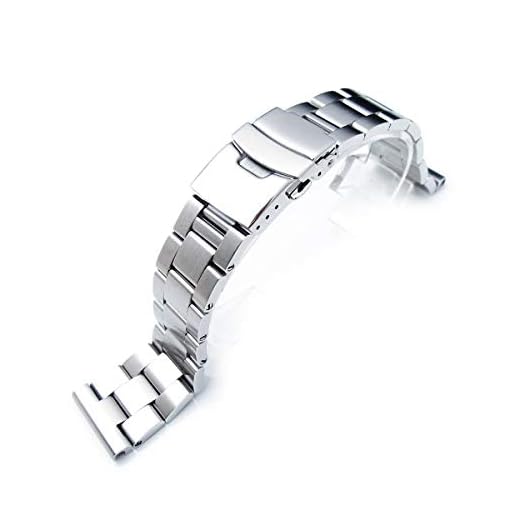
Several variables affect the ideal constriction of your timekeeper. Consider the material of the strap; leather may stretch over time, while metal components may require adjustments for an accurate fit. Temperature changes can also play a role, expanding or contracting the band’s size. Regularly assess the fit, especially during seasonal transitions.
Adjustment Techniques
For metal bands, removing or adding links can achieve the desired snugness. When utilizing leather or fabric, consider the tightness of the clasps. Velcro or adjustable buckles offer flexibility for a tailored feel. Experiment until a balance is reached, ensuring easy visibility of dials without compromising mobility.
Understanding Wrist Size and Watch Fit
For optimal comfort, ensure that your accessory allows for slight movement while remaining secure. A practical way to determine appropriate size is by measuring the circumference of your arm just above the bone, typically using a flexible measuring tape or a piece of string. Once you have the measurement, refer to standard sizing charts to select an appropriate band length.
Individual preferences for fit can vary greatly. Some individuals opt for a snugger feel to prevent shifting during physical activities, while others prefer a looser arrangement for ease of wear throughout the day. Below is a simple guide to assist in selecting a suitable size based on measurements:
| Fit Type | Circumference (inches) | General Band Size |
|---|---|---|
| Snug | 6.0 – 7.0 | Small |
| Comfortable | 7.0 – 8.0 | Medium |
| Loose | 8.0 – 9.0 | Large |
Adjustments may also be made based on the material of the strap. Fabrics and metals can stretch or adjust slightly over time, which may warrant reevaluation of fit after some use. Regular checks ensure the piece remains in the intended position, allowing for both style and usability.
Measuring Your Wrist for Optimal Comfort
To achieve ideal comfort, measure your circumference using a flexible tape measure or a piece of string. Wrap it around the part of the arm where you typically wear accessories, ensuring a snug yet gentle hold without compression.
Determining Wrist Size
If using string, mark the point where it overlaps and measure that length with a ruler. Aim for accuracy; the result in centimeters or inches will guide you in selecting the right dimensions for your timepiece. For added convenience, refer to a sizing chart that matches wrist measurements to various bands or straps.
Choosing the Right Fit
Consider opting for varying materials that provide different levels of adjustment. Leather or fabric bands often offer more give compared to metal links. A good rule is to allow a gap of about one finger’s width between the accessory and skin to accommodate movement without feeling constricted.
Adjusting Watch Bands: Tools and Techniques
Utilize the right tools for seamless band adjustments. A spring bar tool is essential for removing bands efficiently, allowing precise modifications. Small screwdrivers may also be necessary for link bracelets, where screws hold the links in place. Additionally, a pair of needle-nose pliers can assist in gripping flat links securely.
Link Adjustment Techniques
For metal link straps, determine the desired length and remove excess links. Start by locating the pinholes on the underside of each link, then gently press the spring bar tool to release the pins. Carefully slide out the links needed for a better fit. Ensure all components are securely replaced, avoiding loose or jangling parts.
Leather and Fabric Strap Modifications
For leather or fabric bands, cutting down the material may be necessary for optimization. Measure twice and mark for precision before trimming. Use a sharp knife or scissors to ensure a clean cut, and if applicable, reattach the buckle or fastener correctly afterward. For watches with adjustable fabric straps, simply pull through to achieve a snug fit, ensuring comfort without sacrificing style.
Identifying Signs of an Improper Fit
Experience discomfort or skin irritation? This often indicates a poor adjustment. For a harmonious fit, examine skin impressions left by the band. If marks linger after removal, it’s a sign of excessive pressure.
Observe how the timepiece moves during daily activities. If it slides excessively or feels constricting, then reassessing the fit is necessary. A properly sized bracelet should shift subtly without causing friction or pinching.
Visible Indicators
Take note of any redness or chafing around the border of the strap. This can signify that daily wear is resulting in irritation, suggesting a need for loosening.
Comfort Level Assessment
During both activity and rest, assess how it feels. A properly centered accessory should harmonize with movements, providing convenience. If there’s persistent distraction due to the fit, rethink adjustments or alternatives.
Explore options for resizing or using pads for an enhanced experience. Proper alignment enhances enjoyment while wearing your timepiece, combining functionality with style.
Maintaining Comfort Throughout the Day
For an enjoyable experience, ensure that your timepiece accommodates some movement without being overly restrictive. An ideal fit allows for slight adjustments, especially during various activities.
Adjust for Activity Levels
Consider adjusting the band based on your daily activities:
- Exercise: Loosen the band slightly to prevent discomfort from perspiration.
- Sitting at a Desk: Keep the fit snug enough to avoid sliding, but not tight to restrict circulation.
- Casual Outings: A relaxed fit enhances comfort while allowing for natural movement.
Material Considerations
The choice of materials influences comfort throughout the day:
- Metal Bands: May require frequent adjustments due to temperature changes.
- Leather Straps: Tend to stretch over time; monitor for any shifts in fit.
- Silicone Styles: Often provide the most flexibility and ease of wear.
Regularly assess fit as body temperature fluctuates and physical activities vary. This proactive approach guarantees continued comfort and functionality.
FAQ:
How do I know if my watch is too tight on my wrist?
If your watch leaves noticeable indentations on your skin or feels uncomfortable, it is likely too tight. Additionally, when you can’t easily slide a finger underneath the band, that’s a sign it may need adjusting. A properly fitting watch should feel secure but not restrictive.
What are the consequences of wearing a watch that is too loose?
A watch that is too loose can slide around on your wrist, which may make it difficult to read the time accurately. There is also a risk of the watch falling off or getting damaged if it moves too freely. For health and comfort, ensuring a snug fit can prevent irritation or injury from the watch bumping against your skin or wrist bone.
Is there an ideal gap between my wrist and the watch band?
Many recommend a gap that allows for one finger to fit snugly between your wrist and the watch band. This ensures that the watch remains stable while still being comfortable. Personal preference plays a role, so it’s important to find a fit that feels right for you without being too tight or too loose.
How can I adjust the fit of my watch if it’s too tight?
If your watch is too tight, you can often adjust the band by removing links in a metal bracelet or using a different hole in a leather or fabric strap. Most watches come with tools or guides for adjusting the fit. If you’re unsure or uncomfortable doing it yourself, visiting a jeweler or watch shop can help ensure the adjustment is done correctly.
Should the fit of my watch change throughout the day?
Yes, the fit of your watch can change due to factors such as temperature, activity levels, and swelling of the wrist. In warmer weather, for instance, your wrist may expand slightly, making a previously comfortable watch feel tighter. It’s a good idea to check the fit throughout the day, especially if you notice discomfort.



