Ethan Cole

For a secure fit, ensure the band wraps comfortably around your wrist without excessive looseness or tightness. A good rule of thumb is to maintain a slight gap that allows for the thickness of your pinky finger between the skin and strap.
Start by identifying the mechanism–whether it’s a pin, clasp, or buckle. Each type requires distinct methods for resizing. For pins, utilize a small tool to push the pin that holds the links together, allowing removal of excess links. If your model features a clasp, adjust the length by moving the latch to a different notch for a tailored fit.


Always check the integrity of the links after resizing. They should align evenly and operate smoothly. This not only ensures optimal performance but also enhances longevity and comfort. It’s advisable to perform these adjustments gently to avoid damage to the delicate components.
Adjusting Your Timepiece Strap
Measure your wrist circumference precisely with a soft measuring tape. If unavailable, use a piece of string, mark it, and measure against a ruler.
For metal links, locate the small pins securing the links. Use a spring bar tool or a small screwdriver to push these pins out, allowing removal of necessary links.
For leather or fabric straps, identify the adjustment holes. Re-position the buckle for a tighter or looser fit, ensuring a comfortable yet secure fit against your skin.
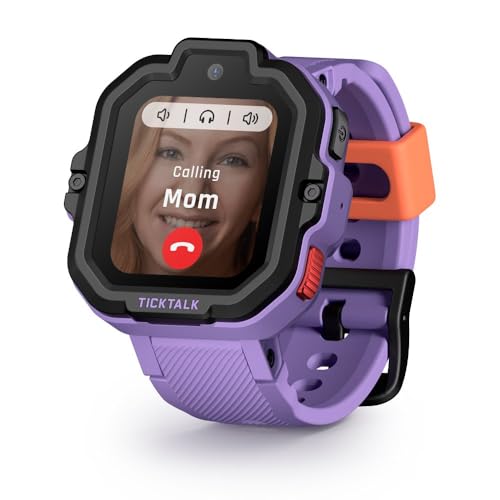
Silicone straps often come with multiple holes; choose the optimal one for a snug feel. Avoid excessive pulling or stretching to maintain the integrity of the material.
Recheck the fit after making changes. Ensure the timepiece sits comfortably without pinching or sliding excessively on your wrist.
Store any removed links or maintain the original size adjustment in case future modifications are needed.
Identifying Your Watch Band Type
Determining the type of your timepiece’s strap is critical for adjustments and maintenance. For beginners, the primary categories are metal, leather, rubber, and fabric. Examine the material closely to identify its characteristics.
The table below summarizes key features for each type:
| Material | Characteristics | Common Uses |
|---|---|---|
| Metal | Durable, often adjustable, offers a formal aesthetic. | Dress watches, sports models. |
| Leather | Soft, comfortable, provides a classic look, can wear over time. | Casual, formal watches. |
| Rubber | Water-resistant, flexible, and offers ease of cleaning. | Sports, diving watches. |
| Fabric | Light, often breathable, available in various patterns. | Causal, outdoor watches. |
Inspect the attachment style as well. Common methods include spring bars, screws, or quick-release pins. This will influence the adjustment process and tool selection.
For unique or combination styles, refer to the manufacturer’s guide or specialized resources for specifics on modifications. Confirming the type ensures proper fitting and longevity of your timepiece.
Gathering Necessary Tools for Adjustment
Secure a spring bar tool, designed specifically for removing and replacing pins in various strap types. This tool provides control and precision during modifications.
A small hammer is helpful for gentle adjustments, particularly when dealing with metal components. Choose a non-marring hammer to avoid damaging the strap.
A set of pliers, preferably with rubber grips, enables easy manipulation of hardware and fittings without slipping or scratching surfaces.
An area to work on should be clean and well-lit, minimizing the risk of losing small pieces. A mat can be beneficial to prevent any rolling away of components during the process.
Lastly, having a microfiber cloth on hand helps to keep shiny surfaces smudge-free while you work, ensuring clarity and focus.
Removing Links from Metal Watch Bands
To efficiently remove links from a metal strap, follow these outlined steps:
- Identify the link you need to remove. Use a tape measure or a ruler to check fit.
- Locate the pin that holds the link in place. This is typically a small, metal rod that can be driven out.
- Gather necessary tools: a pin pusher or a small hammer, and a holder or block to stabilize the strap.
- Position the strap in the holder or block, ensuring ease of access to the pin.
- Carefully align the pin pusher with the exposed end of the pin. Apply controlled force to drive the pin out.
- Once the pin is removed, separate the link from the strap. Ensure you keep the pin for reassembly.
- If needed, repeat the process for additional links until desired fit is achieved.
- Reassemble the strap by aligning the links and inserting the pin back into place.
Double-check the fit as you remove links to avoid excess adjustments. If unsure, consult a professional for assistance.
Adjusting Leather and Fabric Straps
To shorten leather or fabric straps, locate the adjustment holes. For leather, use a sharp tool to create a new hole if necessary. This allows for a more precise fit. Make sure not to puncture too close to the edge to avoid tearing.
For straps with a Velcro fastening, simply pull the strap to the desired length and press down securely. If the loop is too large, consider trimming it with scissors for a better hold.
With fabric bands that feature a buckle, extract the band from the buckle mechanism. Re-thread it into a tighter position before securing. It’s advisable to test the fit before finalizing the adjustments.
Always ensure that any modifications do not compromise the strap’s integrity. Check regularly for wear and replace if fraying occurs, as the longevity of use is important for comfort and functionality.
Ensuring Proper Fit After Adjustment
Evaluate positioning after modifications by wearing the timepiece for an extended period. A securely fitted accessory should feel snug but not restrictive. There should be minimal movement; ideally, one should be able to slide a finger comfortably between the skin and the strap.
For metal links, check if the altered length maintains a balance between the case and the links. An asymmetrical appearance may indicate that additional links might need to be removed or that adjustments are required on either side.
Monitoring Comfort
Pay attention to sensations on your skin. Redness or irritation signifies a poor fit. If discomfort arises, consider further adjustments or switching to a different strap type. Ensure that materials used are breathable and non-allergenic.
Testing Functionality
Confirm that the timepiece operates correctly. Ensure the clasp secures properly and that no links are misaligned. A functional clasp provides confidence in wearability, especially during physical activities.
Regularly reassess fit over time, as factors such as weather, humidity, or physical changes can influence size requirements. Keeping a small set of adjustment tools handy can facilitate quick modifications when needed.
FAQ:
How can I tell if my wristwatch band is too loose or too tight?
If your wristwatch band feels uncomfortable or shifts around on your wrist, it may be too loose. Ideally, it should fit snugly without causing pressure or pinching the skin. Conversely, if you find it difficult to slide a finger underneath the band or if it leaves marks on your skin, it is likely too tight. A properly adjusted band allows for a slight movement but stays securely on your wrist.
What tools do I need to adjust the wristwatch band?
To adjust a wristwatch band, you typically need a few simple tools: a spring bar tool, a small screwdriver (usually Phillips or flat-head, depending on the watch), and possibly a soft cloth or mat to protect the watch while you work. These tools will help you remove and add links or adjust the clasp for a better fit.
Can I adjust a metal watch band myself, or should I take it to a jeweler?
While it is possible to adjust a metal watch band yourself, it depends on your comfort level with DIY projects. Many metal bands are equipped with removable links that can be adjusted using a spring bar tool. However, if you’re unsure or lack the necessary tools, visiting a jeweler is a reliable option. They can perform the adjustment accurately and safely to avoid damaging your watch.
Are there any specific techniques for adjusting leather watch bands?
Leather watch bands often have holes for the buckle to fit through, allowing for some level of adjustment. If you need to tighten or loosen the band, simply move the buckle to a different hole. If the band has a buckle that can be repositioned, you may need to trim the leather slightly. Be cautious, as leather can be harder to modify than metal. Consider consulting with a professional if you’re hesitant to alter the band yourself.
What should I do if I accidentally remove too many links from my watch band?
If you’ve removed too many links from your watch band, the first step is to see if you can reattach any of the removed links. Most bands allow for easy reassembly, but if you can’t, you may need to order replacement links or consult a watchmaker or jeweler. They can help you restore the band to your desired fit. It’s always a good idea to proceed cautiously when adjusting links to avoid this situation.