
 Ethan Cole

Begin by identifying the number of links that need removal to achieve the desired length. Use a small pin or a dedicated link removal tool to push out the spring bars holding the excess links in place.
After removing the necessary links, reattach the remaining sections by sliding the pins back into the holes securely. Ensure each connection is tight to maintain the integrity of the piece while wearing.
For final adjustments, wear the item to check the fit on your wrist. If needed, you can further modify the length by repeating the previous steps. This ensures comfort and style while enhancing the overall appearance of your accessory.
Adjusting a Metal Link Band
To modify the length of a link band, secure the timepiece face down on a soft surface to prevent scratches. Use a small tool, such as a pin pusher or a fine screwdriver, to remove the necessary links.
- Locate the small arrows on the back of the links indicating the direction for pin removal.
- Insert the tool into the hole next to the link you wish to detach, applying gentle pressure until the pin starts to move out.
- Carefully pull the pin fully out using your fingers or pliers, if needed.
After removing the desired links, reassemble the band by aligning the remaining sections and reinserting the pin.

- Ensure that the pin is pushed in completely until it is flush with the link’s surface.
- Double-check the connection for security before wearing.
If adjustments are too complicated or if tools are not at hand, consult a professional for assistance.
Choosing the Right Tools for Metal Strap Adjustment
Selecting the appropriate instruments is crucial for achieving the desired fit for your bracelet. Here’s a list of recommended tools that will facilitate the process:
- Spring Bar Tool: This instrument is essential for releasing and inserting the spring bars that connect the links.
- Link Removal Tool: Specifically designed for pinching or pushing out the pins in the links of the band.
- Screwdriver Set: A small set of screwdrivers can assist when the links are secured with screws rather than pins.
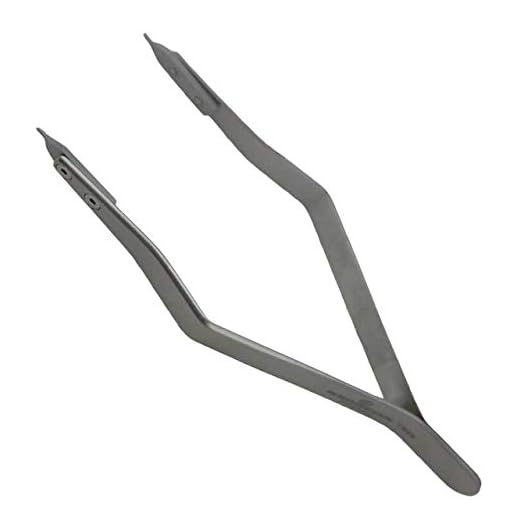
- Tweezers: Useful for handling small parts and ensuring precision during adjustments.
- Magnifying Glass: Provides a closer look at tiny components, which helps avoid mistakes.
- Soft Cloth: To protect the surface of the bracelet from scratches while working on it.
Additional Suggestions
Consider these extras for enhanced efficiency:
- Rubber Grommet: Place it underneath links for added grip and stability while adjusting.
- Reference Manual: If available, check the manufacturer’s instructions for specific guidance on your piece.
Ensuring you have these tools readily available will make the process smoother and more reliable. Proper gear not only simplifies the task but also maintains the integrity of your accessory.
Identifying the Type of Metal Strap Mechanism
Begin by examining the clasp. Common types include deployant, fold-over, and butterfly closures. Each has distinct mechanisms impacting length alteration strategies.
Next, look for screw-links within the links. These require specialized tools, allowing for precise removal or addition of links. Pin-links are identified by small pins, needing a different approach involving simple pin pushers.
Check for micro-adjustments on the clasp itself. These provide small sizing options without removing links. Slide the clasp open and inspect for any movable segments.
Inspect the overall design of the link construction. Some models feature removable links secured with spring bars, which can be released with a tool, enabling quick size modifications.
Recognize the material’s durability. Stainless steel provides a different adjustment experience compared to titanium or other materials, affecting how links manipulate under pressure.
Evaluate the shape of the links. Flat links may necessitate different tools than rounded ones, influencing how adjustments can be made effectively.
Lastly, verify the markings or logos on the clasp for brand-specific mechanisms, as certain brands may implement unique designs that alter adjustment procedures.
Steps to Shorten a Metal Strap Correctly
First, determine the specific links to remove by trying the piece on and assessing the fit. It’s best to have a snug but comfortable hold. Gather the tools: a pin pusher or a small hammer, and a small flathead screwdriver or spring bar tool.
Link Removal Process
Follow these steps for effective shortening:
- Place the timepiece face down on a soft surface to prevent scratches.
- Locate the small arrows on the inner side of the links, indicating the direction for pin removal.
- Using the pin pusher, align it with the pin and gently push until the pin is free. If using a hammer, apply light taps to avoid damaging the links.
- Remove the desired number of links, ensuring an even adjustment on both sides of the closure.
- Reconnect the remaining links by aligning them and reinserting the pins. Make sure the arrows are pointing inwards to secure the connections snugly.
Final Adjustments and Testing
After reassembling, test the fit once more. If needed, make further adjustments by repeating the process. Ensure that the clasp operates smoothly and that the accessory sits comfortably on the wrist.
| Tool | Purpose |
|---|---|
| Pin pusher | To remove and insert pins |
| Screwdriver | To assist with link adjustments |
| Soft cloth | To protect the surface during work |
Methods to Lengthen a Metal Strap Safely
Utilize the following techniques for extending a chain efficiently while maintaining its integrity. First, assess the links for removable sections; these can usually be expanded by adding additional links from a compatible source. Ensure that the new links match both the width and finish of the existing ones.
Consider using a professional watchmaker’s bench for the task, as it provides ample space and tools necessary, such as link removal tools or suitable pliers. If adding new links is not an option, some designs allow for the adjustment of the clasp to a longer setting, which can provide immediate extra length without modification of the links.
Be cautious when working; avoid excessive force that could damage any components. After modifications, check all connections to guarantee security. If discomfort persists, consult a specialist to explore alternative solutions.
Maintaining Your Metal Strap After Adjustment
Regular care prolongs the lifespan of the bracelet. Begin with cleaning; use a soft cloth to wipe down the surface to remove dirt and oils. For deeper cleaning, a mixture of mild soap and water applied with a soft brush can be effective. Ensure to dry thoroughly to prevent moisture spots.
Inspecting and Tightening Links
Periodically check for loose links or screws. A minor twist with the appropriate screwdriver can secure any fittings. If a link appears significantly loose, consider seeking professional assistance to avoid damage.
Storage Recommendations
Store the timepiece in a dry, cool place, ideally in a dedicated box or pouch to avoid scratches. Avoid contact with chemicals such as perfumes or cleaning agents that may corrode the finish. If not worn for extended periods, consider using a watch winder to keep the movement lubricated.



