
 Ethan Cole

For a seamless transition, gather a spring bar tool, cloth, and a replacement piece beforehand. This preparation ensures that the process becomes straightforward and reduces the possibility of damage.
Begin by carefully positioning the tool at the junction where the current band meets the case. Press down gently to compress the spring bars, releasing them from their respective slots. Hold the case securely to prevent any accidental drops during this phase.
Once the old band is removed, align the new component with the lugs. Insert one side of the spring bar into the corresponding hole and compress it firmly into place. Ensure a snug fit before verifying that the other end also sits well, providing stability for your accessory.
Finally, inspect the installation for any visible gaps or misalignments. A simple check can prevent future complications. Clean the case and the newly attached section with a soft cloth to remove any fingerprints or dust, ensuring your piece looks pristine.
Replacing a Watch Band
Gather the necessary tools: a spring bar tool, tweezers, and a flat surface to work on. Ensure you have the replacement band ready.
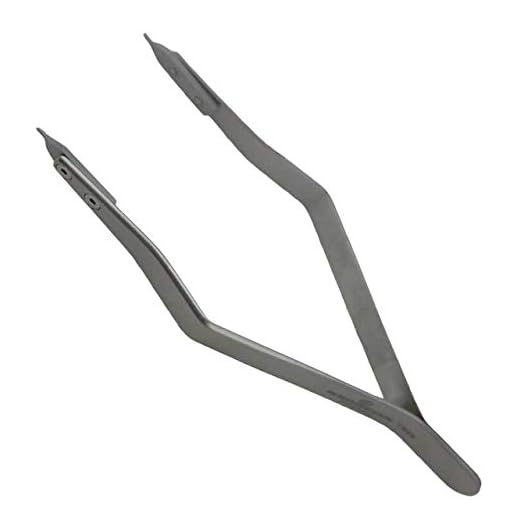

If the timepiece has a removable spring bar, insert the pointed end of the spring bar tool into the small slot where the current band attaches. Gently press downward to compress the spring bar, then slide it out of the lug. Repeat the same for the opposite side.
After removing the old band, align the new band with the lugs. Insert one end of the spring bar into the lug first, then compress the other end and place it into the opposite lug. Ensure it is securely in position to avoid any mishaps.
For bands requiring quick-release mechanisms, simply pull the lever to detach the old band. Position the new band and snap it into place by releasing the lever.
Always check that both ends of the new attachment are firmly seated in their respective lugs. A gentle tug can confirm that everything is locked in.
If adjustments are needed for length, use the appropriate tools to remove links or resize the band to fit your wrist comfortably.
Choosing the Right Replacement Strap
Select a material that matches your lifestyle. Leather offers a classic look and comfort but may not withstand moisture. Steel or titanium provides durability and a sleek appearance, suitable for daily wear or formal occasions. Silicon or nylon is excellent for sporty activities, as these materials resist sweat and water.
Consider the width of the new band. Measure the existing connection points to ensure a proper fit, typically measured in millimeters. A mismatched size can lead to discomfort and instability.
Colors and patterns can dramatically affect the overall appearance. Neutral tones like black or brown offer versatility, while brighter hues can express personality. Evaluate how the color complements your timepiece and wardrobe.
Check the clasp mechanism. Options include traditional buckles, deployant clasps, or magnetic closures. Each type has its benefits regarding security and ease of use. Choose one that aligns with your preferences.
Assess the thickness of the band. Thicker options provide a bolder look, while thinner designs can appear more delicate. This choice affects aesthetic appeal and comfort.
Research brands and reviews for quality assurance. Reputable manufacturers often provide warranties, ensuring a reasonable lifespan for the product. Prioritize those with proven satisfaction records.
Finally, consider your budget. Prices fluctuate widely based on material and brand. Set a range before shopping to avoid overspending while ensuring you’re investing in a quality item.
Gathering Necessary Tools for Strap Change
Acquire a spring bar tool, specifically designed for removing and installing spring bars that secure the band to the timepiece. This tool features a forked end for easy access and a pointed end that assists in adjusting the bars without damaging the casing.
A pair of tweezers can also be essential, particularly for handling small components and ensuring precision during installation. Opt for plastic tweezers to prevent scratching any surfaces.
A clean, flat surface with good lighting is advisable. This will help prevent losing any small parts and allow for a clear view of the mechanism.
Consider using a soft cloth or mat to protect the case from scratches while working. Additionally, having a magnifying glass can aid in examining small parts closely, making the process smoother.
Lastly, having the replacement band and a small container to keep removed parts organized will enhance efficiency. Ensure the new band is compatible to avoid complications during installation.
Removing the Old Strap Safely
Ensure the timepiece is face down on a soft surface, preventing scratches. Locate the spring bars, which secure the band ends to the enclosure.
Using the Right Technique
Utilize a spring bar tool to compress the bar. Gently insert the tool into the small gap between the lug and the band. Apply light pressure to retract the bar, allowing the assembly to separate.
Handling with Care
- Keep a firm grip on the case and the band to avoid accidental slips.
- Maintain a steady hand while manipulating the tool to prevent damage.
- Remove each end one at a time, ensuring stability throughout the process.
After detaching the old components, inspect the attachment points for any debris or wear, preparing for a smooth installation of the new replacement. Store the old band safely for potential future use or recycling options.
Attaching the New Strap Correctly
Position the fresh band aligned with the lugs on the casing. Insert one end of the spring bar into the corresponding hole on the case. Compress the other end of the spring bar using your tool or fingers, and slide it into the second hole on the opposite lug.
Ensure both ends are securely locked in place by giving a gentle tug. Repeat the process for the remaining end of the new accessory. Align it with the lugs, compress, and secure. Double-check that the connection points are firm to avoid accidental detachment during wear.
The alignment should be symmetrical and comfortable for the wrist. If the fabric or leather feels too tight, consider adjusting the position to achieve the best fit. Always handle with care to prevent scratches or damage.
For silicone or metal variants, ensure correct orientation; some finishes may have a specific top and bottom. Verify that any clasps or closures are easily accessible. Perform a final inspection for stability before concluding the task.
Adjusting the Strap for Comfort
Ensure a snug yet comfortable fit by adjusting the length appropriately. Use a ruler or measuring tape to ascertain the ideal circumference of your arm. Ideally, the accessory should rest just above the wrist bone with enough space for one finger to fit underneath.
Tightening or Loosening the Fastening
If your replacement is equipped with a clasp or buckle, you can modify the position to achieve the desired tightness. Experiment with different holes on the strap or reposition the buckle to find a balance between security and comfort. For leather options, break it in gradually to enhance pliability.
Considering Material and Width
Select materials that suit your skin type to avoid irritation. If you have sensitive skin, opt for softer fabrics or hypoallergenic compositions. Additionally, the width of the band can affect comfort; narrower options may feel less constricting. Test various sizes to determine what feels best on your wrist.
Maintaining Your Timepiece After Strap Swap
Regular upkeep is key to prolonging the life of your accessory. After replacing the band, ensure proper care is prioritized.
Keep the following recommendations in mind:
| Maintenance Task | Frequency | Details |
|---|---|---|
| Wipe the Case | Daily | Use a soft, lint-free cloth to remove dust and moisture. |
| Inspect the Band | Weekly | Check for wear and tear. Look for fraying or signs of fatigue, especially on leather options. |
| Adjust Fit | As needed | Ensure the band fits snugly. An ill-fitting piece can cause discomfort or damage over time. |
| Clean the Band | Monthly | Use appropriate cleaners based on material–mild soap for fabric and specialized cleaners for leather. |
| Battery Check | Yearly | If quartz-powered, replace the battery to prevent damage. |
| Water Resistance Test | Every two years | Have a professional test water resistance, especially if exposed to moisture regularly. |
Timely maintenance ensures functionality and aesthetic appeal. Adapting care routines based on specific materials enhances durability dramatically.



