Ethan Cole

Utilize a microfiber cloth to wipe the case and strap gently. This prevents scratches while effectively removing dust and smudges. For metal bands, a soft-bristled toothbrush can reach into the crevices.
For minor stains, create a mild soap solution. Dampen the cloth with this mixture and carefully clean the surfaces. Avoid soaking the piece, as moisture can harm the internal mechanisms.
Inspect the crystal for scratches or scuffs. For glass, a specialized polish can restore clarity. Plastic crystals may require finer-grade sandpaper to gently buff out imperfections.
Regularly check the seals and gaskets to ensure that no moisture can compromise the functionality of your accessory. If you notice any wear or damage, consider a professional service for replacement.
Methods to Maintain Your Timepiece
Utilize a soft microfiber cloth for routine dusting, ensuring it’s dry before application. Gently wipe the case and strap to remove surface dirt and smudges.


Cleaning Tools
- Soft toothbrush for hard-to-reach areas.
- Isopropyl alcohol for disinfecting metal components.
- Water with mild soap, specifically for fabrics and leather.
Step-by-Step Approach
- First, check the water resistance. If it’s not water-resistant, avoid using water directly.
- Use the soft cloth to wipe down any visible grime.
- Dip the toothbrush into soapy water. Gently scrub links and crevices, especially around lugs.
- Rinse the watch case with a damp cloth to remove any soap residue.
- For leather bands, apply a moderate amount of alcohol to a cloth and wipe gently.
- Let everything air dry completely before wearing again.
Regular attention will prolong the aesthetic and functional quality of the device. Avoid harsh chemicals that might cause damage.
Choosing the Right Cleaning Supplies for Your Timepiece
Opt for a microfiber cloth, as it effectively captures dust and grime without scratching the surface of the case and crystal. Additionally, ensure the cloth is clean and free from any residues before use.
Recommended Solutions
Use a gentle solution specifically designed for delicate materials, such as a diluted soap or a watch-safe cleaner. Avoid harsh chemicals, as they can damage seals and finishes.
Brushes and Tools
A soft-bristled toothbrush is ideal for reaching crevices between links or around buttons. For intricate designs or delicate surfaces, a specialized detail brush may provide better precision. Ensure that any bristles are non-abrasive to prevent wear.
Consider using a soft toothpick or a cotton swab for additional cleaning in tight spots, ensuring no debris is left behind. Always test any cleaner on an inconspicuous area first to assess compatibility.
Maintain the integrity of the materials by storing products in a safe, dry area, away from moisture and direct sunlight, to prolong their lifespan.
Step-by-Step Guide to Cleaning the Watch Case
Gather a microfiber cloth and a soft brush to begin the process. If the case has accumulated dirt or grime, gently brush the surface to remove loose particles.
Preparation
For metal cases, prepare a mixture of mild soap and warm water. Avoid harsh chemicals. For cases made of leather or other materials, a damp cloth with plain water suffices.
Washing Process
Soak a corner of the microfiber cloth in the soapy solution, wring it out to avoid excess liquid, and wipe the case gently. For intricate designs or crevices, use the soft brush to reach those areas. Rinse the cloth with clean water and wipe away soap residue. Ensure all moisture is removed with a dry section of the cloth.
After drying, inspect thoroughly for any missed spots. Store the timepiece in a safe place once completed. Regular maintenance prolongs the life of the item.
Properly Caring for the Band Material
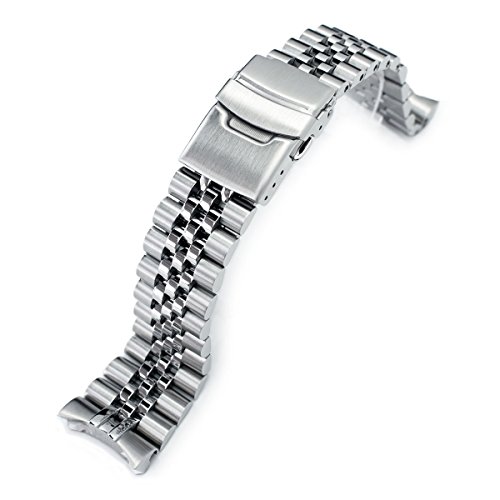
Identify the material of the band: metal, leather, rubber, or fabric, as each requires different techniques. For metal, use a soft cloth or an old toothbrush dipped in gentle soap and warm water. Scrub between links carefully to remove grime, then dry thoroughly with a clean cloth.
For leather, avoid excess moisture. Use a damp cloth to wipe down the surface, followed by a leather conditioner to maintain suppleness. If the band has stains, dab a bit of mild soap on a cloth and gently rub. Always let it air dry away from direct sunlight or heat sources.
Rubber bands can be tackled with a mixture of water and mild soap. Use a soft brush to dislodge debris, then rinse with clean water. Allow the band to dry fully before reattaching it to the timepiece.
Fabric bands should be washed in line with their care instructions. Many can withstand gentle machine washing, while others may need hand cleaning. If hand washing, a slightly soapy cloth can be used. Rinse thoroughly and air dry flat.
Regular maintenance prevents serious buildup, so inspect the band often to keep it looking fresh. For persistent odors, using a baking soda paste on fabric bands can help neutralize smells.
Tips for Cleaning the Watch Face without Damage
Use a microfiber cloth for wiping the surface. This material minimizes scratches and effectively lifts dust and smudges.
For stubborn marks, slightly dampen the cloth with water or a watch-safe cleaner. Avoid harsh chemicals that could harm the finish.
Gently apply pressure while cleaning. Circular motions can help distribute any residue without grinding particles into the glass.
If your timepiece has a mineral or sapphire crystal, be cautious with tools. Avoid anything abrasive that might lead to permanent damage.
Rinse the cloth frequently during the cleaning process to prevent dirt buildup from being reintroduced.
For water-resistant models, consider a gentle application of water around the edges, ensuring that no moisture seeps into the mechanism. Always dry immediately.
Lastly, after cleansing, inspect closely for any remaining imperfections or scratches. Address these through professional services if necessary, rather than attempting to fix them at home.
Maintaining Your Cleaned Timepiece for Longevity
Regularly inspect the condition of the timepiece after cleaning. Pay close attention to the seals and gaskets to prevent water damage. If moisture is detected under the glass, consider seeking professional assistance.
Store the timekeeper in a designated, cushioned space. Avoid exposure to extreme temperatures and direct sunlight, as these factors may degrade the materials over time.
Utilize a microfiber cloth to gently buff the surface periodically. This helps maintain luster and removes any fingerprints or oils that may accumulate during regular wear.
If the movement allows, consider winding it periodically to ensure it remains in proper working order. This practice supports the mechanics and enhances the accuracy of timekeeping.
Reassess the lubrication of the movement at regular intervals, usually every three to five years. This action reduces friction and promotes smooth operation, extending the lifespan significantly.
Avoid contact with harsh chemicals or lotions. Such substances can degrade the finish and compromise the integrity of the materials used in the construction.
Lastly, keep documentation of maintenance and any servicing performed. This record aids in tracking the care given to the piece and can be valuable for future reference or resale.