Ethan Cole

The most straightforward technique for detaching a timepiece is to locate the clasp mechanism. Many models feature a fold-over or deployment clasp that can be released with a gentle squeeze on the sides. Always ensure that you are applying the correct amount of pressure to avoid any damage.
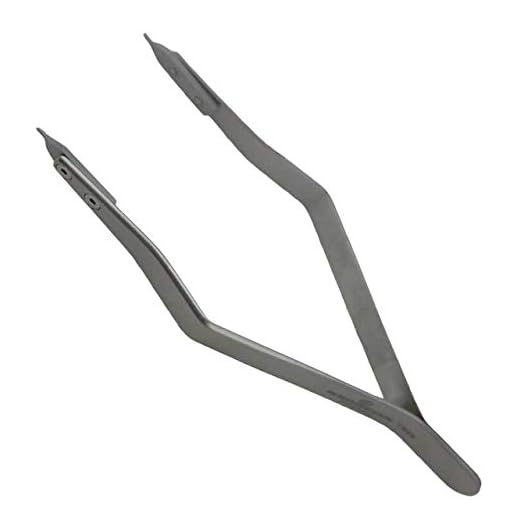
If the piece is secured with pins, a pin removal tool can be very effective. This tool allows for precise disengagement of the pins holding the band together. Position the tool against the pin and gently push to release it from its housing.
For those with leather straps, a simple pull on the end of the band can sometimes provide enough slack to slide the timepiece from the arm. If the strap has a buckle, ensure it’s fully unfastened to allow for an easy exit.
Understanding the specific design of your model will facilitate the process significantly. Reviewing the user manual can also provide additional insights into any unique features specific to your model.
Removing a Bulova Timepiece from Your Arm
Locate the clasp mechanism, typically positioned on the underside. Depending on the design, it may be a push-button or a standard folding clasp. For push-button clasps, press down firmly on both buttons to release the lock.

If using a folding clasp, gently lift it while holding the strap steady to avoid damaging the links. Carefully slide the piece from your arm, ensuring no snagging occurs on any clothing or skin.
For models featuring a deployment clasp, hold the watch steady and pull the lever to open the clasp. This action will create enough space to remove the accessory effortlessly.
Regular maintenance of the clasp mechanisms ensures smooth operation. If resistance is felt, consider cleaning the clasp to remove any dirt or debris obstructing movement.
Identifying the Type of Bulova Watch Band
To determine the specific type of strap on your timepiece, examine its structure and materials closely. Common categories are leather, metal, and fabric. Each type has distinct characteristics that simplify identification.
Common Types of Bands
| Type | Material | Features |
|---|---|---|
| Leather | Genuine or synthetic leather | Durable, comfortable, often with stitching details |
| Metal | Stainless steel, titanium, or gold | Weighty feel, links can often be adjusted, polished finish |
| Fabric | Nylon, canvas, or rubber | Lightweight, breathable, often adjustable with Velcro or buckles |
Observe the band width; standard measurements are typically 18mm, 20mm, or 22mm. This can aid in identifying compatible replacement options. Additionally, check for specific clasps or buckles; deployant clasps are common in metal bands, while pin buckles are often found on leather straps.
Locating the clasp mechanism
To remove the timepiece, first identify the clasp type. Common options include deployment, fold-over, and pin and tube clasps. Examine the underside of the band for a small release button or lever indicative of a deployment clasp, which often opens by pressing the mechanism. A fold-over clasp typically requires pushing a latch in the center which then releases the band. If it’s a pin and tube system, look for small pins on either side of the clasp that need to be pushed inwards using a tool or your fingernail to detach it. Familiarity with these mechanisms can expedite the removal process.
Using Tools for Difficult-to-Remove Bands
Employ pliers specifically designed for delicate tasks when dealing with stubborn straps. These tools prevent damage while providing the necessary leverage to manipulate the band. Opt for those with rubber grips for added control and comfort during the process.
Spring Bar Tool
A spring bar tool proves invaluable for straps that utilize spring bars. This tool allows for precise removal of the bars, facilitating quick detachment of the band. Carefully insert the forked end of the tool between the case and the band, gently compress the spring, and slide it out.
Watch Band Removal Kit
Consider using a complete removal kit, which typically includes multiple tools for various strap types. These kits contain an array of precision screwdrivers, pusher pins, and replacement spring bars. Follow the included instructions for disassembling intricate bands, ensuring a safe and efficient removal process.
Removing a Timepiece with a Stubborn Fit
Apply a lubricant, such as a small amount of petroleum jelly, around the area where your skin contacts the band. This can assist in easing the friction between the skin and the material.
Try utilizing a fabric or soft cloth. Wrap it around the band before attempting to slide the accessory off. The additional grip may help in maneuvering the piece without discomfort.
If feasible, immerse the extremity in warm water for a few minutes. This can lead to slight swelling in the wrist, which might facilitate releasing the band.
Engage a second person for assistance. They can gently hold the timepiece while you work on the clasp or band, preventing any accidental jerks that might increase discomfort.
Consider gently tapping the body of the accessory against a soft surface. This might loosen any tight points in the clasp mechanism without causing damage.
If the fit remains excessively tight, check for additional adjustability in the band. Sometimes, hidden links or a more flexible section might be present that can help ease removal.
Cleaning and Maintaining the Timepiece After Removal
To preserve your accessory’s condition, follow these steps for cleaning and maintenance post-removal:
Daily Care
- Wipe the surface with a soft, lint-free cloth to remove dust and fingerprints.
- For fabric bands, lightly brush with a dry cloth or use a damp sponge for deeper cleaning without soaking.
Deep Cleaning Routine
- Remove the band if applicable; use a gentle cleanser mixed with water for metal or ceramic cases.
- Use a soft brush to reach crevices; ensure no moisture enters the movement.
- For leather bands, apply a specialized leather cleaner to maintain suppleness and prevent cracking.
- Rinse with clean, lukewarm water and dry with a soft cloth immediately.
Regular maintenance enhances longevity and keeps the mechanism running smoothly.
Storage Tips
- Store in a cool, dry place, away from direct sunlight.
- Use a padded box or a soft pouch to prevent scratches during storage.
Consider periodic professional servicing for internal cleaning and lubrication to ensure optimal functionality.