
 Ethan Cole
For immediate relief, discontinue wearing the timepiece for several days to allow the affected skin to heal. During this period, keep the area clean and dry. Gently cleanse with a mild soap and water, followed by patting it dry with a soft towel.
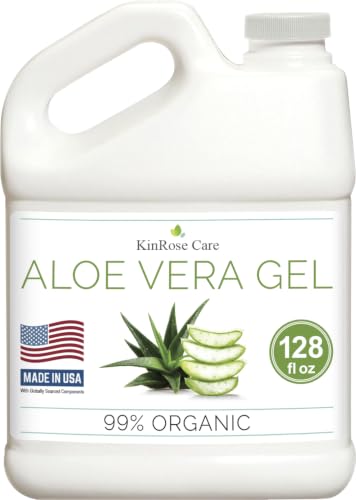
After cleansing, consider applying a soothing agent such as aloe vera gel or a hydrocortisone cream to reduce inflammation and promote healing. Ensure the application is done sparingly to avoid clogging pores, which might exacerbate the condition.


Once the irritation subsides, reintroduce your timepiece gradually. Opt for alternative materials, such as leather or fabric straps, that cause less friction and irritation. Make sure the band is not too tight, allowing for proper airflow on the skin.
Regular maintenance of the strap is crucial; occasionally clean it to remove sweat and bacteria buildup. If skin issues persist, consult a dermatologist for tailored advice on potential allergies or skin sensitivities related to specific materials.
Identifying the Cause of Irritation on the Arm
Examine the material of the timepiece band. Nickel, leather, or certain synthetic compounds can provoke sensitivity or allergic responses. Consider replacing the strap with hypoallergenic alternatives like silicone or fabric.
Evaluate the fit of the accessory. A tight fit may cause friction and discomfort. Ensure it is neither too loose nor overly snug to allow for proper airflow.
Inspect for moisture buildup. Sweat or water trapped beneath the band can lead to skin issues. Clean and dry the area regularly, and remove the accessory during physical activities.
Assess Environmental Factors
Environmental irritants, such as soaps, lotions, or detergents, may exacerbate skin conditions. Transition to fragrance-free and hypoallergenic products to minimize reactions.
Consider Medical Conditions
Existing skin conditions like eczema or psoriasis could contribute to increased sensitivity. Consult a dermatologist for an accurate diagnosis and tailored treatment options. Document any changes in your skin’s appearance to help with assessments.
Immediate Relief: Home Remedies and Treatments
Applying a cool compress can significantly soothe irritation. Use a clean cloth soaked in cool water, placing it on the affected area for 10-15 minutes to alleviate discomfort.
Aloe vera gel, known for its calming and hydrating properties, can be applied directly on the skin. It helps to reduce swelling and redness while promoting healing.
Chamomile tea bags, when steeped and cooled, may serve as a natural remedy. Place the cooled tea bag on the irritated skin for about 10 minutes to benefit from its anti-inflammatory effects.
Olive oil acts as a moisturizer and has soothing qualities. Gently massaging a small amount onto the skin can help alleviate dryness and discomfort.
Oatmeal paste can also be beneficial. Mix ground oatmeal with water to create a thick paste and apply it to the problematic area for 20 minutes before rinsing off.
Hydrocortisone cream, available over-the-counter, may aid in reducing inflammation and itchiness. Use it sparingly as directed on the packaging.
Keep the affected area clean and dry. Regularly washing with mild, fragrance-free soap can prevent further irritation.
Consider avoiding tight-fitting accessories until the skin heals, allowing it to breathe and recover effectively.
Preventing Future Discomfort from Timepiece Wear
Choose breathable materials for your band. Look for options like fabric, leather, or silicone, which allow airflow and minimize moisture buildup.
Regularly clean both your skin and the strap. Use mild soap and water to remove sweat, dirt, and oils that can irritate the skin.
Adjust Fit Appropriately
Avoid overly tight fittings. Ensure the timepiece is snug but not constricting to allow for blood circulation and reduce friction.
Consider Allergies
Know your skin’s sensitivities. If allergic reactions occur, explore hypoallergenic bands or coatings designed for sensitive skin. Test any new materials on a small area first.
- Remove the watch at intervals throughout the day.
- Give your skin breaks to reduce continuous contact.
- Keep the area dry, especially after exercise.
Monitor for changes in skin condition. If irritation persists, consult a dermatologist for tailored advice and potential treatment options.
Choosing Skin-Friendly Watch Materials
Select metals such as stainless steel, titanium, or aluminum, which are less likely to irritate sensitive skin. Avoid nickel-plated components, as they can lead to allergic reactions. Look for hypoallergenic options, often marketed specifically for sensitive individuals.
Consider silicone, rubber, or fabric straps. These materials are generally soft against the skin and can offer flexibility and comfort. Ensure any fabric used is breathable to minimize moisture buildup.
Leather is another popular choice, but it should be high-quality and treated properly. Look for natural leather without harsh chemicals. Additionally, maintain cleanliness to prevent skin reactions due to accumulated sweat and dirt.
If opting for smart devices, investigate the materials used in the casing and bands. Silicone or specialized hypoallergenic materials are advisable for bands to mitigate discomfort during extended wear.
Lastly, read reviews and seek recommendations focused on wearing experience, especially for those prone to skin sensitivities or allergic responses. Prioritize comfort over aesthetics to ensure daily wear remains pleasant.
When to Consult a Dermatologist for Wrist Irritation
Seek professional advice if symptoms persist beyond a week despite home treatment. Persistent discomfort, swelling, or any signs of infection warrant immediate consultation.
Indicators for Medical Attention
Consult a skin specialist if the area exhibits severe redness, warmth, or pus. These could indicate an infection requiring prescription medication. If daily activities are affected or the situation worsens, it’s time to get expert insight.
Allergic Reactions as a Concern
If you suspect a potential allergy, especially if multiple reactions have occurred, a dermatologist can perform tests to identify specific triggers. This step helps in managing and preventing further skin issues associated with the accessory.



