Ethan Cole

Measure the circumference of the lower part of your arm using a soft measuring tape. This will give a clear indication of the size required for an appropriate accessory. For a more accurate reading, ensure that the tape is snug but not overly tight.
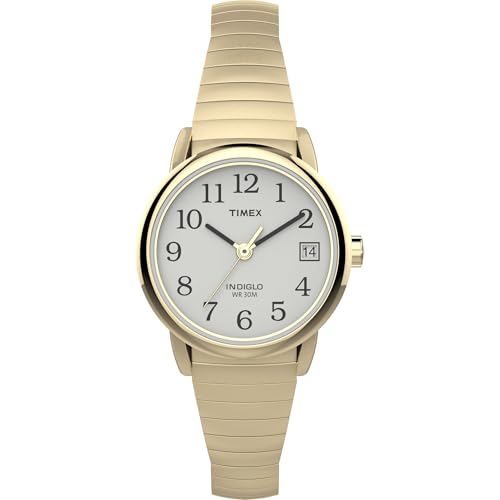
Many accessories offer removable links or adjustable straps. If utilizing a metal band, verify the link-removal process, which typically involves a pin or a tool to dislodge links. For leather or fabric bands, look for additional holes in the strap for optimal adjustment.

When trying on, confirm that the accessory rests comfortably, allowing for slight movement without sliding excessively. A good rule of thumb is to ensure there’s enough space for a finger to slide between the accessory and your skin without causing discomfort. This practice not only promotes comfort but also helps prevent irritation.
If adjustments remain confusing, consider visiting a professional for assistance. Jewelers and specialty shops often provide this service and can ensure a precise fit tailored to your needs.
Achieving the Right Size for Timepieces
For optimal comfort, measure the circumference accurately using a flexible measuring tape. Wrap it snugly around the area just above the bone where the accessory will rest, ensuring no gaps between the tape and skin. Write down the measurement in millimeters for precision.
Adjustable Bands
If the band allows for modifications, add or remove links to customize the length. Most metal bracelets feature tools for this purpose, while leather or fabric options often come with multiple holes for buckle adjustments. Aim for a snug but comfortable fit; enough space to slide a finger underneath without excessive tightness is ideal.
Considerations for Different Styles
Different styles of timepieces necessitate unique fit preferences. Sporty selections may require a tighter feel to prevent movement during activities, while formal options can benefit from a looser adjustment for elegant drape on the arm. Choose according to the primary purpose and environment in which it will be worn.
Measuring Your Wrist Size Accurately
Utilize a flexible measuring tape for precision. Wrap it comfortably around the area where timepieces will rest, ensuring it’s snug but not constricting. Note the point where the tape overlaps. If a measuring tape is unavailable, a strip of paper can serve as an alternative; mark the length and measure it against a ruler afterwards.
Measurements should be taken in millimeters, as this unit provides greater accuracy. For best results, repeat the measurement two to three times for consistency, accounting for any variability. Averaging the results will yield the most reliable sizing.
Consider the thickness of the band or strap as well. Bulkier styles may require a slightly looser measure for comfortable wear. Conversely, slimmer designs enhance a more fitted appearance. Adjust measurements accordingly to achieve an ideal balance between style and comfort.
Additionally, account for changes in temperature and humidity. Swollen or contracted skin can alter sizing, so taking measurements at different times can provide a more rounded understanding of the optimal circumference.
As a final check, consider using the size chart provided by the manufacturer for the specific model you’re interested in. Each brand may have slight variations in sizing, and cross-referencing can help finalize the best match.
Choosing the Right Watch Size for Comfort
Select a case diameter between 38mm and 42mm for a balanced appearance on average-sized arms. Individuals with smaller arms may prefer cases ranging from 34mm to 38mm to avoid overwhelming their proportions, while those with larger arms can opt for diameters above 42mm for a more fitting look.
Thickness Considerations
A thicker casing often indicates added features but can lead to discomfort. Aim for a thickness of 8mm to 12mm for everyday wear. Thicker designs may be suitable for sporty or robust styles but can be cumbersome in casual settings.
Weight and Material
Lightweight materials such as titanium or resin enhance comfort during extended use. Heavier metals like stainless steel may feel more substantial but can become uncomfortable over time. Prioritize options that align with personal preferences and use cases.
- Test different styles while wearing them for a few minutes to assess comfort.
- Consider adjusting strap options, such as leather, fabric, or metal, to increase adaptability.
- Evaluate how the piece behaves during daily activities like typing or sports.
Ultimately, understanding personal style and comfort preferences leads to the best choice in sizing.
Adjusting Watch Bands: Tools and Techniques
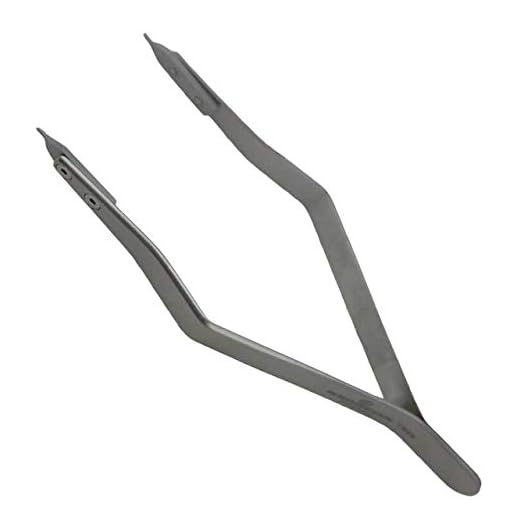
Utilize a spring bar tool for effortless link removal or attachment. This specialized tool features a pointed end for compressing the spring bars, allowing for quick adjustments. Alternatively, a small screwdriver may be necessary for watches with screws securing the links.
For metal straps, precise link adjustment is vital. Begin by determining the number of links to remove for proper snugness and comfort. Use pliers to gently pinch the links while releasing the spring bars. Place the removed links safely aside in case future adjustment is needed.
Leather bands, while often adjusted through buckles, may require additional hole punching. Employ a leather punch for creating new holes, ensuring dimensions match existing ones for uniformity. Always consult the leather thickness to select the appropriate punch size.
Sizing rubber or silicone bands often involves cutting the strap. Measure twice before making any cuts, ensuring the desired length is accurately marked. Use sharp scissors or a utility knife for clean edges.
Regularly inspect and maintain the bands for any signs of wear. Replacing damaged components in a timely manner preserves the integrity of the entire timepiece. Consider lubrication for metal clasps to facilitate easy adjustment.
Lastly, investing in a watch adjusting kit can provide a comprehensive solution for all types of bands, complete with tools and guides for precise modifications. This can streamline the process, especially for those frequently customizing their accessories.
Understanding Different Watch Band Types and Materials
Explore the diverse options of bands that can significantly influence comfort and style. Each band type has its own characteristics and suitability for various occasions.
Common Band Types
- Leather: Offers a classic look, available in multiple colors and textures. Consider varying thicknesses for style and comfort. Tanners may affect durability; look for genuine or top-grain leather for longevity.
- Steel: Metallic bands are durable and often feature a polished or brushed finish. Ideal for a formal appearance. Weight may be a factor; ensure it is not overly cumbersome.
- Rubber/Silicone: Excellent for casual and sporty aesthetics. Resistant to water and sweat, making them suitable for active lifestyles. Opt for high-quality silicone to avoid stiffness.
- NATO: Woven nylon bands that are lightweight and breathable. Their versatility allows for quick changes between styles. Assess the width to match the timepiece’s lugs properly.
Material Considerations
- Durability: Choose materials that withstand wear based on lifestyle. Steel and rubber bands tend to offer superior resistance to damage.
- Allergies: Some may react to metals like nickel; consider hypoallergenic alternatives for sensitive skin.
- Style Versatility: Mixing different materials can create a unique fashion statement. Consider switching between leather for formal and rubber for casual scenarios.
Ultimately, the band type and material will not only influence comfort but also enhance the overall aesthetic appeal of the timepiece. Assess your specific needs to select the most appropriate option.
Tips for Maintaining a Comfortable Fit Throughout the Day
Adjust the tightness of the band during various activities. For instance, when stationary, a snugger grasp might feel comfortable, yet a looser adjustment is often preferable during physical exertion. Regularly assess how the timepiece sits on the arm at different times of the day.
Material Matters
Select bands crafted from breathable materials if sweat accumulation is a concern. Leather and fabric options often provide ventilation, whereas metal may trap heat. Consider opting for hypoallergenic substances to avoid irritation.
Maintenance Techniques
Clean the strap regularly to prevent grime buildup, which can lead to discomfort. Use a soft damp cloth to wipe down the surface, especially for porous materials. Check for signs of wear, such as fraying or stretching, and address any issues promptly to maintain comfort.
| Activity | Recommended Adjustment |
|---|---|
| Sitting | Snug fit |
| Exercising | Loose fit |
| Walking | Moderate fit |
| Relaxing | Comfortable fit |
Consider pairing the timepiece with clothing styles that aid in maintaining comfort. Layers can trap heat, so lighter attire can contribute to a cooler experience. Ultimately, finding a balance between security and comfort is key throughout daily activities.