
 Ethan Cole
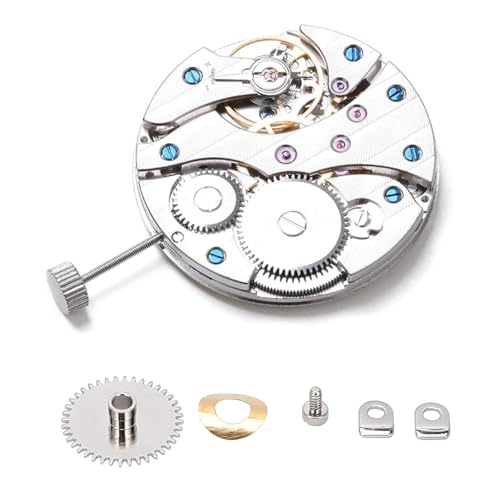
For precise accuracy, consulting a professional is essential when experiencing irregular ticks or significant variances in timekeeping. A certified horologist possesses the expertise and tools necessary to diagnose and adjust mechanisms effectively.
Before seeking assistance, assess how your device is functioning. Observe the time discrepancies: is it running fast, slow, or erratic? Document these anomalies as this information will aid the technician in identifying the issue swiftly.
Regular maintenance is crucial for longevity. Scheduling periodic check-ups, ideally every three to five years, will prevent minor issues from escalating and maintain optimal performance.
If you’re inclined towards DIY adjustments, invest in a fine-tuning kit alongside a reliable manual or online resources. However, tread carefully; without the proper knowledge, you risk damaging delicate parts.


Regulating Timekeeping Mechanism
Consult a skilled horologist or watchmaker for precise calibration. They possess the necessary tools and expertise to adjust the internal components, ensuring accurate time display.
Frequency of Calibration
Periodic checks are advisable, typically every 3 to 5 years, to maintain optimal precision. Regular maintenance can prevent prolonged deviations in accuracy.
Self-Regulation Techniques
Familiarize yourself with the tuning process through manufacturer guidelines. Adjusting the timepiece’s position while resting can affect its performance. Placing it on its side or back can help stabilize timing discrepancies.
Maintain an optimal temperature, avoiding extremes that could disrupt the internal mechanisms. Dust and moisture can also lead to malfunctions; therefore, ensure proper storage conditions.
Always document any adjustments made for future reference. Tracking changes aids in understanding the timepiece’s behavior over time, facilitating more informed decisions during subsequent maintenance.
Identifying Your Timepiece Mechanism Type
Determine whether your companion is powered by quartz or mechanical mechanisms before the adjustment process. This knowledge aids in navigation through maintenance choices.
Quartz Mechanism
If the ticking sound is prominent and your device keeps time accurately within a few seconds each month, it’s likely a quartz mechanism. These models operate on battery power.
- Check for a battery compartment on the rear case.
- Look for a small second hand moving in distinct ticks.
- Consult the manual or manufacturer’s website to confirm specifications.
Mechanical Mechanism
For those winding their timepiece or observing a sweeping second hand, it’s a mechanical variant, which can be manual or automatic. These units require periodic servicing for precision.
- Inspect the crown: manual winding requires regular turns.
- Observe the movement: a smooth, continuous sweep indicates automatic functionality.
- Refer to documentation for maintenance intervals.
Understanding the type of mechanism ensures appropriate care and informs the best practices for adjustments in timing accuracy.
Gathering Necessary Tools for Regulation
Acquire a quality watchmaker’s toolkit, which typically includes a variety of essential instruments. Key items such as a screwdriver set for case opening and movement adjustment are paramount.
Specialized Instruments
Utilize a hand remover or extractor for accessing the hands without damage. A movement holder maintains stability while adjustments occur. Anti-static tweezers assist in handling delicate components.
Measurement Devices
A reliable timegrapher is invaluable for assessing time accuracy during each adjustment phase. Alternatively, a smartphone app can suffice for initial checks.
Cleansing materials, including a microfiber cloth and watch cleaning solution, help maintain the exterior condition. Lastly, gather a soft surface or mat to prevent scratches during maintenance work.
Understanding the Regulation Process
For accurate timekeeping, adjustments are necessary to synchronize the oscillator. This involves fine-tuning the balance wheel’s oscillation frequency through deliberate modifications to specific components within the mechanism. The process typically includes adjusting the balance spring length or the inertia of the balance wheel itself.
Common Techniques for Adjustment
Utilizing a timing machine can facilitate precise measurements of deviations. By placing the timepiece on this device, data is collected to analyze its performance across various positions. Such insights guide the technician in determining needed alterations. Common adjustments include:
- Regulating Screws: Located on the balance wheel, these screws can be moved inward or outward to change the wheel’s effective mass and frequency.
- Collet Adjustment: This involves modifying the balance spring’s attachment to the staff, impacting oscillation stability.
Post-Adjustment Verification
Once modifications are complete, the timepiece should be re-tested using the timing machine, ensuring that the adjustments have achieved the desired accuracy. Continuous monitoring over several days is recommended, as environmental factors may influence performance.
Utilizing this methodical approach guarantees improved precision, enabling the timepiece to perform reliably under varying conditions.
Finding a Professional Watchmaker
Seek recommendations from trusted sources, such as friends or horology enthusiasts, who have experience with reliable specialists. Explore local horological societies or forums online to identify skilled artisans in your area.
Check credentials and relevant certifications when considering a technician. Membership in respected watchmaking associations can indicate a commitment to quality.
| Criteria | Details |
|---|---|
| Experience | Look for a technician with several years of hands-on experience, especially with the specific brand or type of timepiece you possess. |
| Specialization | Confirm that the expert has worked on similar mechanisms and understands the intricacies of various styles. |
| Customer Reviews | Research online reviews and testimonials to gauge satisfaction levels from previous clients. A good reputation often speaks volumes. |
| Location | Consider proximity to ensure convenience and facilitate regular maintenance if needed. |
| Repair Policies | Inquire about guarantees on repairs and potential timelines for service to avoid unexpected delays. |
Evaluate the shop’s overall condition; a well-organized and clean workspace typically reflects professionalism and attention to detail. If possible, schedule a consultation to discuss your timepiece directly.
Communicate clearly about expectations and any issues you have noticed. A reliable technician will be willing to explain their process and provide insights into the necessary adjustments without overselling services.
Maintaining Proper Timekeeping After Regulation
Regularly monitor accuracy to ensure desired precision. A simple weekly check using a quartz timekeeping device can help identify any discrepancies. If variations occur, recalibration may be necessary.
Environmental Factors
Temperature fluctuations can influence the precision of your timepiece. Keep it away from extreme heat or cold. Humidity can also affect the internal components, so store the item in a controlled environment to minimize moisture exposure.
Proper Handling
Avoid jolting or abrupt movements while using or storing the accessory. Gentle handling preserves internal mechanics. Additionally, ensure consistent winding for manual mechanisms, as under-winding can lead to irregular timekeeping.



