
 Ethan Cole
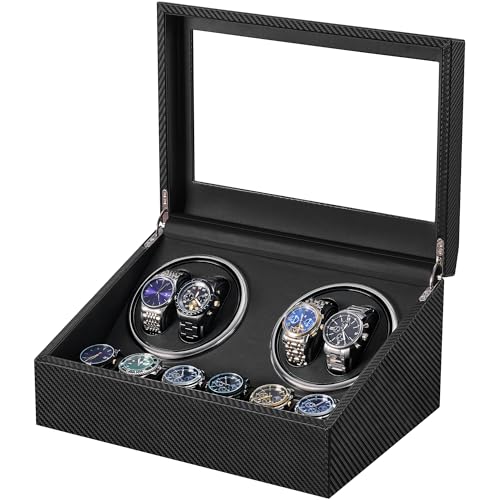
Utilizing a reputable storage case designed specifically for timepieces is ideal for safeguarding against dust, moisture, and impacts. These cases offer cushioned compartments that protect each piece while allowing for proper airflow, minimizing the risk of moisture buildup which can lead to damage.
Consider maintaining an environment with stable humidity and temperature levels. A dedicated drawer or cabinet in a climate-controlled space can prevent fluctuations that may adversely affect the internal mechanisms. Avoid placing on surfaces exposed to direct sunlight or extreme temperatures.
Regularly winding and setting the hands, even if not worn frequently, helps keep the lubricant within the movement evenly distributed. This practice can prolong the lifespan of internal components and ensure optimal performance when the timepiece is donned again.


Lastly, utilizing a watch winder device for automatic models can provide consistent movement, ensuring they remain in a working state while not being worn. This prevents the inconvenience of having to reset and wind it each time it’s taken out.
Optimal Storage Solutions for Timepieces
Utilize a dedicated case to prevent dust accumulation and scratches. Choose one with compartments to keep different pieces separated.
A climate-controlled environment is advisable to mitigate humidity-related damage. Ideal conditions are around 70°F (21°C) with moderate humidity.
For automatic models, consider a winder that mimics wrist movement, ensuring mechanisms are adequately lubricated and functional.
In the case of quartz types, remove the battery to avoid leakage that can corrode internal components.
Always store timepieces in an upright position to avoid unnecessary pressure on the crystal and mechanical parts. Avoid placing them on metal surfaces to prevent magnetic interference.
Below is a quick reference table for different storage methods and their benefits:
| Storage Method | Benefits |
|---|---|
| Watch Case | Prevents dust and scratches |
| Climate-Controlled Environment | Mitigates humidity damage |
| Winder | Keeps automatic movements functional |
| Battery Removal | Avoids corrosion in quartz movements |
| Upright Storage | Reduces pressure on components |
Regularly check and maintain stored timepieces, ensuring their long-term reliability and performance.
Choosing the Right Storage Box or Case
Opt for a case that offers protection against dust and moisture. Materials such as leather or high-grade plastic are ideal for safeguarding delicate mechanisms.
Size and Capacity
Consider a storage solution that can accommodate multiple pieces if you plan to expand your collection. Ensure the internal compartments are adequately sized to prevent movement during storage.
Interior Features
- Choose cases with soft lining to avoid scratches.
- Look for adjustable cushions that can secure items of varied sizes.
- Some models include additional compartments for accessories like straps and tools.
Prioritize visibility; transparent lids allow for easy identification of contents while maintaining protection. Ensure the box is lightweight yet sturdy for convenience in handling.
Lastly, evaluate the design. Aesthetic appeal can complement your living space while keeping the contents accessible and organized.
Understanding Proper Climate Control for Your Timepiece
Maintain a regulated environment for invaluable instruments. Target a temperature between 50°F (10°C) and 70°F (21°C) to preserve components and mechanisms effectively. Avoid extreme heat or cold, as fluctuations can lead to condensation and potential damage.
Humidity Levels
Monitor humidity to prevent corrosion and deterioration of materials. Optimal humidity should stay between 30% and 50%. Utilize a hygrometer to gauge moisture levels, ensuring a stable atmosphere.
- Employ silica gel packets or dehumidifiers in enclosed storage to absorb excess moisture.
- Consider a climate-controlled safe to shield from outside elements.
Lighting Considerations
Direct sunlight can fade dials and degrade quality. Store in a shaded or dark area to avoid UV exposure. Use opaque containers to ensure items remain protected from light sources.
- Use boxes with UV-filtering glass if displaying pieces is essential.
- Ensure storage locations are away from windows for added protection.
Regularly inspect the conditions of the storage environment, making adjustments as needed. Sustained climate management enhances the longevity and performance of cherished collectibles.
Utilizing Watch Winders for Automatic Models
For automatic pieces, utilizing a watch winder is an optimal strategy to maintain movement and prevent the lubricant from congealing. Select a winder that features adjustable settings to match the specific winding requirements of your model, as different brands have varying rotation needs.
Rotation Settings
Understand the TPD (Turns Per Day) requirement for your automatic timepiece. Most watch winders offer a range from 600 to 1,200 TPD. Research specific guidelines provided by the manufacturer to replicate natural wrist movement efficiently.
Power Source Consideration
Opt for a winder that operates on both AC power and batteries, ensuring functionality during travel. Look for models with quiet motors to avoid unnecessary noise, particularly in peaceful environments. Availability of customization options, such as dual or triple watch capabilities, may enhance your collection’s display while ensuring proper maintenance.
Cleaning and Maintenance Before Storing Your Timepiece
Thoroughly clean your timepiece to prevent dust and debris from causing damage during storage. Use a microfiber cloth to gently wipe the case and bracelet, making sure to reach areas between links and the crown. For metal bracelets, consider using a soft-bristle toothbrush with a mild soap solution to remove grime.
Protecting the Glass and Finish
Apply a non-abrasive polish specifically designed for the material of your case to enhance shine and provide a protective layer. This step helps in maintaining the clarity of sapphire or mineral crystal, reducing the risk of scratches.
Battery Care and Movement Considerations
If your model relies on a battery, remove it if you anticipate a prolonged period of non-wear. For automatic varieties, ensure they are adequately wound prior to storage to maintain the internal lubrication. This practice can help avoid potential drying out of lubricants that facilitate the movement’s precision.
Avoiding Common Mistakes When Storing Timepieces
Ensure that the storage location is free from moisture. Humidity can lead to corrosion and damage to the internal components. Choose a dry, climate-controlled area.
Avoid placing the timepiece directly in contact with sunlight. Prolonged exposure to UV rays can fade dials and degrade materials.
Store your piece in a sturdy cushion or pouch. This prevents scratches and movement that could lead to malfunctions.
Don’t forget to remove bracelets or straps made from sensitive materials, such as leather, before lengthy storage. This avoids deformation or cracking.
Keep the storage area clean and dust-free. Dust can accumulate and interfere with moving parts or cause scratches on the case and glass.
Prioritize using designated storage solutions such as cases with individual compartments. This minimizes the risk of impact and damage from other items.
Refrain from storing it near electronic devices. Magnetic fields can affect precise mechanisms negatively.
Consult the manufacturer’s guidelines regarding specific requirements for your timepiece. Each model may have different recommendations for optimal preservation.
Remember to consistently check the condition of the timepiece even while it rests. Periodic inspections can prevent unnoticed issues from developing.


