
 Ethan Cole
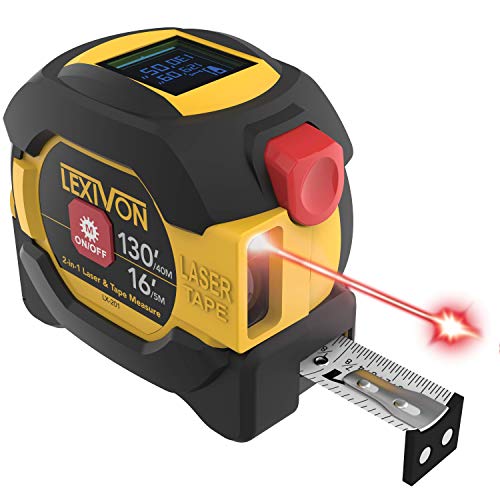
To achieve a precise fit for a timepiece, use a flexible measuring tape. Wrap it around the circumference of the arm just above the bone. Ensure the tape is snug, but not overly tight, allowing for comfort and movement.
If a measuring tape is unavailable, any strip of paper or string will suffice. Mark the point where it overlaps and measure the length using a ruler. This provides an accurate size for both casual and formal styles.
Check sizing guides from various brands, as sizes may vary between manufacturers. Common wrist measurements range between 14 cm (5.5 inches) and 24 cm (9.5 inches), with medium to large options typically designed for wrist sizes of 16.5 cm (6.5 inches) and above.
Consider the watch style as well. Dress watches may fit tighter for elegance, while casual or sports models can be adjusted for roominess. Always prioritize comfort without sacrificing style.


Measuring for a Timepiece
Use a flexible measuring tape or a piece of string for accurate results. Wrap it around the area just below the bone where you’d typically wear a band. Ensure it fits snugly but not tightly. If using string, mark the point where it meets and measure that length with a ruler.
Measurement Techniques
Perform the following to ensure correctness:
- Measure several times to account for any discrepancies.
- Consider measuring in different positions (standing and sitting) since size can fluctuate.
- Write down the average of your measurements for precision.
Size Chart Reference
Refer to the table below for general size guidelines based on measurements:
| Size | Measurement (inches) | Measurement (cm) |
|---|---|---|
| Small | 5.5″ – 6.5″ | 14 – 16.5 |
| Medium | 6.5″ – 7.5″ | 16.5 – 19 |
| Large | 7.5″ – 8.5″ | 19 – 21.5 |
| Extra Large | 8.5″ – 9.5″ | 21.5 – 24 |
Select a timepiece that complements your measurements for optimal comfort and style. Consider additional factors such as the thickness of the band which can affect fit.
Choosing the Right Tools for Measurement
Use a flexible tape measure or a piece of string to obtain an accurate size. If opting for string, ensure it’s thin enough to fit comfortably around the portion where the accessory will rest.
Follow these steps for precise determination:
- Align the tape measure or string around the chosen area.
- Ensure it’s snug but not tight; movement should be possible without discomfort.
- If using string, mark the intersection where it overlaps, then measure against a ruler.
Alternatively, a caliper can provide exact measurements if available. Select digital or manual types based on preference.
Consider the following tools:
- Flexible Tape Measure: Ideal for quick measurements, often found in sewing kits.
- String or Ribbon: Useful for temporary measurements and can be easily handled.
- Ruler: Helpful for confirming measurements when using string.
- Calipers: Best for precision; suitable for those who seek accuracy.
Always double-check readings to ensure a reliable size is obtained, enhancing comfort and fit in the final selection.
Step-by-Step Wrist Measurement Process
First, grab a flexible measuring tape or a piece of string. Ensure the tool is non-stretchable for accurate results.
Position the measuring tape or string around the area just above the bone on the lower arm. This is the most common spot for accurate sizing.
Gently wrap the tape or string around without forcing it tight. Note the point where the end meets the rest of the tape or string. If using string, mark the point where it overlaps and then measure it against a ruler.
Record the measurement in millimeters for precision. If using a tape, it will provide a direct reading; for string, ensure you measure from the marked point.
Checking for Comfort
To find the ideal fit, add 1-2 centimeters to the recorded size. This additional length accommodates comfort, accounting for wrist movement.
Try on potential timepieces using the measured size to ensure a snug yet comfortable fit. If possible, adjust the strap or band to suit personal preferences.
Final Adjustments
After identifying the preferred size, repeat the measurement process if necessary. Ensuring accuracy will help in selecting a model that complements style and functionality.
Keep notes of various sizes if planning to purchase multiple styles. Each design may fit differently, so adjustments may be needed based on the chosen item’s specifications.
Understanding Watch Size and Fit
Select a timepiece that complements the dimensions of your arm. Watches are typically categorized by diameter and thickness, which directly influence comfort and aesthetics. Standard sizes generally range from 36mm to 44mm in diameter, with larger sizes appealing to those with broader arms.
Consider the watch case shape; round faces suit most while square models can appear chunkier. Thickness also matters; a slimmer design offers less bulk, while thicker cases can denote a bolder presence. Pay attention to the watch’s lug-to-lug distance, as this affects how it sits on the arm.
The interplay of case size and strap width plays a role too. A wider band pairs best with larger cases, maintaining balance and visual coherence. Conversely, slimmer straps are ideal for smaller cases, ensuring they do not overpower the arm.
Strap material also impacts fit. Metal bands are typically more adjustable than leather or silicone, providing a tailored feel that can enhance comfort. Test the fit; a snug but not tight sensation is preferable, allowing for slight movement without discomfort.
Additionally, account for personal style preferences. Trendy oversized styles may suit some, while others prefer classic, understated designs. Ultimately, the right fit melds comfort and visual appeal, making the timepiece a perfect accessory.
Common Mistakes to Avoid When Measuring
Neglecting to measure around the thinnest part can lead to inaccuracies. Ensure to identify that specific area for a precise reading.
Using a tool that lacks proper flexibility might give a false sense of fit. Prefer soft measuring tapes that conform to the shape without adding bulk.
Rushing through the process can result in errors. Take your time to double-check measurements to ensure reliability.
Allowing tightness or perfect snugness can lead to discomfort later. Aim for a relaxed fit, allowing slight movement for comfort.
Failing to account for the intended style could hinder proper selection. Consider both casual and formal styles, as they may need different sizing practices.
Ignoring Temperature Effects
Skin expansion can alter fit during varying temperatures. Measure under similar conditions to when the item will typically be worn.
Misjudging Tolerance for Adjustment
Being unaware of how much size can be adjusted can create issues. Familiarize yourself with the potential for resizing or adjustments that may be needed.
Adjusting for Different Watch Styles and Bands
Select the correct size by considering the style of the piece. Sport models often feature a more casual fit, allowing extra room for comfort during movement. Opting for one size up can enhance flexibility without sacrificing aesthetics.
Metal Bands
For metal link bands, ensure to allow for minor adjustments. These bands can be resized through adding or removing links. Gauge the fit by trying on before finalizing, ensuring it sits comfortably without pinching the skin. A slight gap can enhance wearability while maintaining style.
Leather and Fabric Straps
With leather and fabric options, consider the break-in period. These materials tend to stretch slightly over time. Therefore, a snug initial fit is advisable. Some individuals prefer a looser feel for everyday wear, while others favor a more tailored look. Always check for adjustability options before concluding on the size.
FAQ:
How do I measure my wrist for a watch accurately?
To measure your wrist for a watch, you’ll need a flexible measuring tape or a piece of string. If you’re using a measuring tape, wrap it around your wrist just above the wrist bone where the watch would typically sit. Note the measurement in centimeters or inches. If using string, wrap it around your wrist and mark the point where it overlaps. Then lay the string flat and measure its length with a ruler. Make sure to keep the tape or string snug but not too tight to get the most accurate measurement.
What is the significance of knowing my wrist size when buying a watch?
Knowing your wrist size is significant for several reasons. First, it helps you select a watch that fits comfortably; a watch that is too loose may slide around and be prone to damage, while a watch that is too tight can be uncomfortable and restrict blood flow. Additionally, different watch styles and sizes suit different wrist sizes. For instance, a larger watch may overwhelm a petite wrist, while a smaller watch might look dwarfed on a larger wrist. By measuring your wrist beforehand, you can make an informed choice that enhances both comfort and style.
What should I consider if I’m between wrist sizes?
If you find yourself between wrist sizes, several factors can help you decide. Consider the type of watch you’re interested in—different styles may fit differently. For instance, sport watches may fit tighter due to their design, while dress watches often have more flexibility in sizing. It may also be useful to try on similar styles in-store, if possible, to gauge how they feel. If ordering online, check the return policy in case you need to exchange for a different size. Additionally, some watches come with adjustable bands, which can accommodate slight variations in wrist size.


