
 Ethan Cole

For efficient removal of the back cover on your timekeeper, locate a small notch or seam along the edge. This gap is often where the case back separates from the main body.
Utilize a precision screwdriver, no larger than 1.0 mm, to gently pry open this seam. Insert the tip carefully to avoid damaging the casing or internal mechanisms.


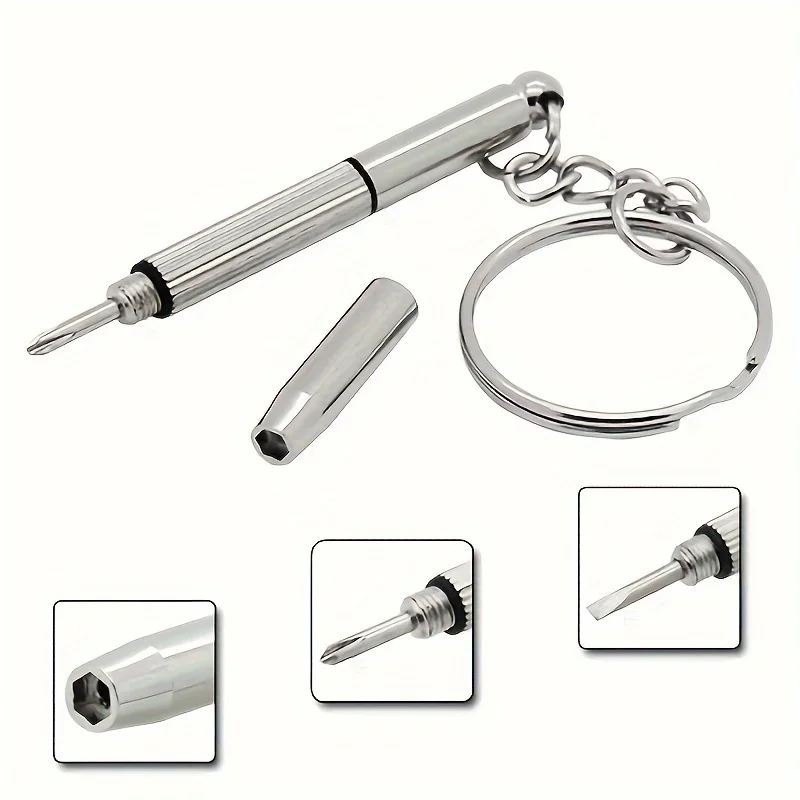
If the back is screwed on tightly, employ a case wrench or silicone ball for a secure grip without scratching the surface. Apply gentle pressure while rotating counterclockwise until it loosens.
Exercise caution during the process; avoid any sudden movements to prevent internal damage. For quartz models, sometimes a single twist will release the battery compartment. Keep track of small components and springs for easy reassembly.
In instances where screws are present, use the appropriate screwdriver size to remove them before attempting to lift the back cover. An organized workspace will facilitate an efficient assembly.
Accessing the Timepiece
Begin with a soft cloth for proper grip and protection against scratches. Identify the back cover type, which can be either a snap-on, screw-down, or a press-fit design. For snap-on covers, gently pry with a plastic tool at the designated indentation. For screw-down variations, utilize a precision screwdriver, turning counterclockwise to release. Ensure the pressure is steady and even.
Required Tools
| Tool | Purpose |
|---|---|
| Plastic Pry Tool | Safe cover removal without scratches |
| Precision Screwdriver Set | Unscrewing the back cover |
| Soft Cloth | Protection for the watch face |
| Tweezers | Handling small components |
Safety Precautions
Ensure the timepiece is not exposed to moisture. Work in a well-lit area to prevent loss of small parts. Avoid using metal objects that may damage the casing. Always document the disassembly process to assist with reassembling later.
Choosing the Right Tools for Opening a Timepiece
Selecting appropriate tools is critical for handling a timepiece with precision. Essential items include a case wrench, which allows for easy unscrewing of the back cover, and a rubber ball, designed to create grip without causing damage to the casing.
Specialized Instruments
A good quality jeweler’s screwdriver set is necessary for the removal of screws that secure various components. Ensure that the screwdrivers are magnetized to prevent slipping. Additionally, a crystal lift tool is versatile for accessing the front without scratching the glass. A pair of tweezers with a non-slip grip assists in handling tiny parts.
Safety Gear
Protective eyewear can safeguard against unexpected spring releases or debris while working. A microfiber cloth should be at hand to cover the work area, preventing scratches or losses of small components during repairs. Using a soft mat will stabilize the piece and reduce the risk of dropping.
Identifying the Type of Watch Case
To proceed correctly, determine the type of case your timepiece features. Common variants include snap-back, screw-down, and press-in cases. Each type requires specific techniques for access.
Snap-Back Cases
Snap-back cases typically have a smooth rim with no visible screws. To release this type, you can use a case knife or a thin tool to pry open gently along the edge. Be cautious to avoid damaging the casing or the crystal.
Screw-Down Cases
For screw-down encasements, look for a series of small notches on the back. Use a specialized case wrench that fits these notches perfectly. Turn counterclockwise to release the casing. Some designs may require additional pressure to disengage.
Removing the Back Cover Safely
Use a plastic case opener tool or a case knife for gentle prying away from the back surface. Avoid metal tools, as they can scratch or damage the finish. Begin at a corner and slowly work around the perimeter to find a point of leverage.
Apply light pressure and rotate the tool to create a small gap. Once the initial separation occurs, switch to your fingers to gently lift the cover off. Ensure that you are on a soft surface to prevent any accidental drops.
For watches with screws, secure the right-sized screwdriver and carefully remove each screw, placing them in a small container to avoid loss. Execute this step with precision to prevent stripping the screws.
Be cautious of gaskets or seals that may be present; these can help maintain water resistance. If found, handle them delicately to preserve their functionality.
Lastly, keep a clean, dust-free environment during this process. Any debris entering the interior can affect performance, so frequent inspections of the workspace before and after removal are advisable.
Accessing the Movement and Mechanism
To engage with the internal components of your timepiece, keep the following steps in mind:
- Ensure the securing screws or clasps on the back cover are completely removed or detached.
- Use a soft cushion to rest the casing face down, preventing scratches and damage.
- Utilize a case knife or a similar thin tool to gently pry open the back cover. Insert it at a small gap, applying minimal pressure to avoid deforming the case.
- Once the cover is released, carefully lift it away from the body. Set it aside in a safe location.
- Examine the movement for any visible screws or clips that may need to be released to fully access the mechanism.
Pay attention to the type of movement your device features, as some have additional protective layers, such as dust shields. Make note of how everything is assembled, as this will facilitate reassembly later. If any screws are removed, keep them in a secure and organized manner.
When handling the movement, avoid touching the delicate parts excessively to prevent damaging any components. Wear gloves if possible, to maintain cleanliness and avoid leaving fingerprints.
Replacing the Battery or Adjusting the Mechanism
To proceed with battery replacement or mechanism adjustment, ensure you have a clean, well-lit workspace. Follow these detailed steps for optimal results:
- After accessing the interior, examine the battery type. Common types are SR626SW or CR2016. Identify and note the model before removing it.
- Utilize a non-metallic tool to gently detach the battery from its holder. Avoid scratching or damaging the components surrounding it.
- Insert the new battery, ensuring it is oriented correctly based on the positive and negative indications. Listen for a faint click, confirming it is secured.
- If adjustment to the mechanism is necessary, use a small screwdriver to fine-tune the regulator or adjust the timekeeping via the crown. Perform adjustments slowly to avoid over-correction.
- After making changes, test for functionality by gently pressing the crown or setting the time. Observe for proper movement.
- Once confirmed operational, carefully reattach the back cover, ensuring a snug fit to protect against dust and moisture.
Regular maintenance will prolong the lifespan of the timepiece. Execute these procedures with care to ensure the integrity of the mechanism and battery life.
Securing and Closing the Watch Properly
Ensure a tight fit of the back cover by aligning the notches properly before pushing it back into place. If the model has screws, use the appropriate screwdriver to tighten each one securely without over-tightening, which can damage the casing.
Inspect the gasket, if present, for any wear or debris. A clean and intact gasket provides water resistance; replace it if necessary to maintain the integrity of the timepiece.
For models with snap cases, apply gentle pressure around the edges to snap the cover back in securely. Listen for an audible click, indicating that the case is closed correctly.
Once secured, check that the timekeeping device functions properly by moving the crown to the desired position. If the crown feels loose or does not engage correctly, re-check the assembly to ensure all parts are fitted accurately.
Finally, perform a water resistance test, if applicable, by submerging the timepiece in water briefly or using a vacuum test. This step is crucial for maintaining optimal performance during daily wear.
FAQ:
What tools do I need to open an analog wristwatch?
To open an analog wristwatch, you will typically need a few specialized tools. The most important are a case opener, which can be either a rubber ball or a knife-like tool, and a pair of tweezers to handle small components. Depending on the model of the watch, you may also require a screwdriver set, specifically one with small Phillips and flat-head screws. Additionally, having a soft cloth or mat to place the watch on during the process can help protect it from scratches.
Can I open my analog wristwatch without damaging it?
Yes, you can open an analog wristwatch without damaging it, but it requires careful handling. First, ensure you are in a clean, well-lit environment to avoid losing any tiny parts. If your watch has a screw-down case back, use the proper tool to unscrew it. For snap-on backs, gently pry around the edges with a case opener tool to avoid scratching the case. Always apply even pressure and avoid using excessive force. If you feel uncomfortable doing this yourself, consider taking it to a professional watchmaker who can open it safely.
What should I do if I can’t open the watch after multiple attempts?
If you’re having trouble opening your watch after several attempts, it’s best to stop trying to prevent any damage. Sometimes, watches have additional security features or may be sealed more tightly than expected. You might want to check the manual for the specific model for guidance on opening. Alternatively, consider visiting a professional watch repair shop. They have the expertise and tools to open your watch safely without risking damage to the internal mechanisms.


