Ethan Cole

To access the interior components of your high-end timepiece, locate the crown on the side of the case. Gently unscrew it by rotating counterclockwise if your model features a screw-down crown. Once loosened, you can pull the crown gently to the first position, allowing you to set the time or date.
If your model does not have a screw-down mechanism, simply pull the crown out to the desired position. Ensure that your hands are clean and dry to prevent any damage to the watch face while you work.
It’s crucial to handle the components with care. Avoid using excessive force when manipulating the crown or any internal parts. If the watch needs thorough maintenance or repair, consult with a certified technician specializing in luxury timepieces to preserve the integrity of your investment.
Procedure to Access a Timepiece
Utilize a case opener tool, ensuring it features the correct blade for precision. Align the notches of the case back with the blade for a secure fit. Carefully apply pressure to twist and release the back cover, avoiding any abrupt movements that may cause damage.
Proper Handling Techniques
Employ a soft cloth to grip the timepiece during this procedure. This will prevent slipping and potential scratches. Maintain a steady hand; any sudden jolts may harm the internal mechanisms.
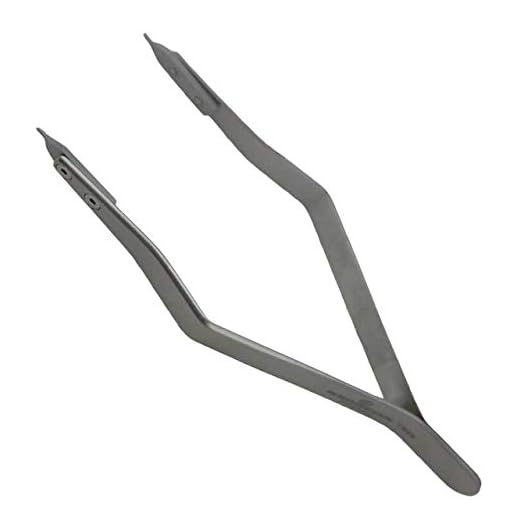


Inspection Post-Access
After removal, inspect the gasket seal for integrity. A compromised seal can lead to moisture ingress, affecting the functionality of the internal components. Clean the exposed surfaces gently with a microfiber cloth to maintain clarity and performance of the device.
Understanding the Types of Rolex Cases
To identify the right case type, begin by examining the material and design. Common materials include stainless steel, gold, and Rolesor, which combines both gold and stainless steel. Each type offers unique durability and aesthetic appeal.
Oyster Case
The Oyster case is renowned for its water resistance and robust construction. Characterized by a screw-down crown and case back, this design ensures reliable protection against moisture and dust, making it suitable for diver’s models as well as everyday wear. Verify if your model features fluted or smooth bezels, providing further distinctions in appearance.
Cellini Case
In contrast to the Oyster, Cellini watches feature a more elegant and classic case design. These models are typically crafted from precious metals and showcase rounded silhouettes, catering to those who prefer a sophisticated style. The Cellini case often presents a simpler aesthetic without the added complexities of water resistance, focusing on timeless elegance.
Familiarizing yourself with these case types is crucial for maintenance and understanding specific attributes. Each design reflects the brand’s commitment to quality and innovation, ensuring that your timepiece remains a treasured accessory for years to come.
Gathering the Necessary Tools for the Task
Prior to accessing the timepiece, assemble specific instruments designed for precision. The following list outlines the required tools for secure handling:
| Tool | Description |
|---|---|
| Screwdriver Set | A set of micro screwdrivers, preferably with Phillips and flathead options, to manage case screws with care. |
| Case Back Tool | Specialized instrument for unscrewing the case back without damaging the lining. Choose one that fits the case type appropriately. |
| Soft Cloth | A lint-free cloth will prevent scratches on the surface while working on the piece. |
| Plastic Blade | This will safely pry open the casing without causing unnecessary harm. |
| Magnifying Glass | Useful for inspecting small components and ensuring a careful approach to handling intricate parts. |
Additional Considerations
Consider employing a watchmaker’s mat to provide a clean surface for organization. Ensure all tools are free from dust and debris to maintain hygiene during the process. Proper lighting will assist in visibility, making the task easier and more efficient.
Safety Precautions
Always wear gloves to avoid leaving fingerprints on components. Keep a steady hand and avoid excessive force to minimize the risk of damaging delicate mechanisms within the timepiece.
Locating the Case Back and Removing the Screws
Identify the case back first. Look for a smooth, flat surface on the rear side of the timepiece. Depending on the model, it may feature engraved markings or be completely plain. Ensure the watch is free from any dirt or moisture before proceeding.
Gather your tools: a specialized case opener or a precision screwdriver set is necessary. Select the appropriate size for the screws, which are typically quite small and may require a Phillips or flathead driver.
Carefully examine the case back for visible screws. Some models may utilize a screw-down back, while others might have a simple snap-on style. If screws are present, gently insert the screwdriver into the slot and turn counterclockwise to loosen them. Apply minimal pressure to avoid stripping the screws.
After loosening the screws, use your fingers or tweezers to remove them completely. Place them in a small container to prevent loss. If the back is snap-on, you may need to gently pry it off using a case knife or a similar tool, applying even pressure across the edge.
- Ensure your workspace is well-lit for precision.
- Handle all parts with care; avoid any direct contact with the mechanism inside.
- Document the order of screw removal if necessary for reassembly.
Once the back is off, you can access the interior components for maintenance or repair. Always recheck the seal and condition of gaskets before replacing the case back to ensure water resistance is maintained.
Carefully Prizing Open the Watch Case
Approach this task with patience. Use a case-opening tool designed specifically for your timepiece. Align the tool’s blade at the seam between the case back and the case itself.
Steps to Follow
- Ensure the timepiece is secured on a soft surface to prevent scratches.
- Insert the blade between the case back and the case at the designated spot.
- Gently twist the tool to create a slight gap; avoid excessive force to prevent damage.
- As a gap widens, carefully slide the blade around the perimeter to continue prying the case back.
- Once loosened, remove the case back slowly and inspect for any additional clips or screws if applicable.
Precautions
- Utilize proper lighting to enhance visibility of small components.
- Keep your workspace organized to prevent losing screws or other small pieces.
- Avoid using makeshift tools, as they may cause harm to delicate parts.
Upon successful removal, handle internal components with care to maintain functionality and aesthetics.
Accessing the Movement for Maintenance or Adjustment
Begin with appropriate lighting and a clean surface to prevent any dust or particles from entering the mechanism during servicing. Carefully place the timepiece on its back, ensuring the exposed side is facing upwards.
Removing the Movement
After detaching the case back, locate the movement clips or screws that secure the mechanism in place. Use a jeweler’s screwdriver to gently remove these fasteners. It’s advisable to keep track of each component and their respective locations for reassembly. Once the clips are removed, delicately lift the movement from the case, holding it by the edges to avoid touching the delicate parts.
Performing Maintenance and Adjustments
Once the mechanism is accessible, inspect for dust, debris, or any visible signs of wear. Employ a soft brush or blower to eliminate unwanted particles. If oiling is necessary, apply a micro-litre of watch oil to the designated points, ensuring not to over-lubricate. For time adjustments, manipulate the designated crown or pusher to correct the settings without forcing any parts, maintaining the integrity of the internal components. After completing the servicing, carefully return the movement to its holder, ensuring everything is aligned.
Reassembling the Watch After Service
Begin reassembly by ensuring all components are clean and free of debris. Inspect the movement for proper function and alignment before placing it back into the case.
Carefully position the movement into the case, making certain that all screws and securing mechanisms align correctly with their respective holes. This step requires precision to avoid damaging any internal parts.
Once the movement is seated, reattach the case back. Align it with the previous markings, if applicable, and tighten screws evenly to distribute pressure uniformly, which helps maintain the integrity of the casing.
After securing the back, test the functionality of the timekeeping mechanism and any additional features, such as the winding crown and date function, to ensure everything operates smoothly.
Finally, perform a water resistance test if the original design and engineering require it. This may involve submerging the timepiece in water or using a specialized testing tool to confirm that seals are intact.
FAQ:
What are the steps to safely open a Rolex wristwatch for maintenance?
To safely open a Rolex wristwatch for maintenance, you should follow these steps: First, gather necessary tools, including a case opener, screwdriver, and case cushion. Next, place the watch on a soft, clean surface to avoid scratches. Carefully remove the case back by inserting the case opener into the tiny grooves and twisting gently. Be cautious not to apply excessive force. Once the case back is removed, take note of the movement and components visible inside. It’s advisable to handle the movement with care to avoid damage.
Is it recommended to open a Rolex watch myself or should I take it to a professional?
Opening a Rolex watch yourself can be risky if you lack experience. Rolex watches are intricate and designed for precision; improper handling can lead to damage. If you are not trained or familiar with watch mechanisms, it’s generally safer to take your watch to a certified professional or authorized service center. They have the necessary tools and expertise to properly service and maintain your timepiece, ensuring its functionality and preserving its value.