Ethan Cole

To gain access to a classic timepiece’s interior, first secure a specialized case opener tool. This instrument will assist in safely prying the back cover without damaging the metal or crystal. Choose a flat-head or a hook-style case knife, depending on the design of your timepiece’s case. Ensure you have a clean, well-lit workspace to prevent the loss of small parts during the process.
Next, examine the edges of the case for small notches or grooves indicative of where to insert the case opener. Gently insert the tool into these gaps, applying a slight twisting motion. Avoid excessive force, as this could scratch or deform the case. If resistance is encountered, reassess the insertion point to find a more suitable location.
Once the rear cover is detached, be mindful of the movement’s delicate components. Take care not to touch the balance wheel or other intricate mechanisms, as this could affect the timekeeping accuracy. Keeping a small, clean cloth nearby is advisable, as it can serve to catch any potential loose parts during the inspection.
Instructions for Accessing Vintage Timepieces
Utilize a soft cloth to gently grip the timepiece, ensuring a secure hold without causing damage. Identify the position of the case back, typically featuring tiny notches or grooves for ease of manipulation.
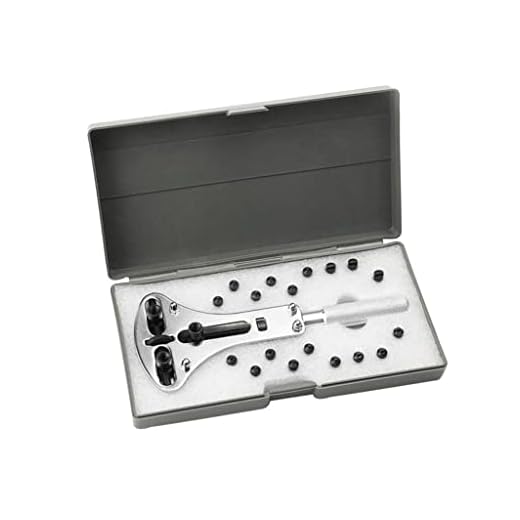

Employ a case opener tool or a specialized blade, inserting it into the notch. Apply gentle pressure to leverage the back open. If resistance is encountered, check for any additional screws or locking mechanisms that may need to be addressed beforehand.
Inspect the interior components carefully once exposed. Avoid touching any delicate parts to prevent potential misalignment or damage.
After performing necessary maintenance, align the back cover with the case, pressing firmly in sequence until fully sealing the timepiece. Ensure it is secured by confirming the case sits uniformly without gaps.
Store the timepiece in a safe, dry location after completing your tasks, protecting it from moisture and dust. Regularly check functionality to ensure it remains in good working order.
Gather Necessary Tools for Opening the Watch
Acquire the following items to efficiently access the timepiece’s interior:
- Case Knife – A specialized tool designed for prying open the watch case without damaging it.
- Flathead Screwdriver – Use this for any screws that may be present on the case back, ensuring it fits properly.
- Case Back Wrench – Opt for this tool for screw-back cases to provide a firm grip and prevent slipping.
- Soft Cloth or Microfiber Towel – Protect the surface of the watch from scratches during the process.
- Magnifying Glass – Assists in inspecting small components and ensuring no pieces are missed.
- Jeweler’s Tweezers – Handy for maneuvering delicate parts safely without risk of damaging them.
- Dust Blower – Keeps debris from entering the movement while the case is open.
Ensure all tools are clean and free from rust or debris to maintain the integrity of the timepiece during access efforts.
Identify the Type of Case Back on Your Hamilton Timepiece
Examine the back of your timepiece closely. There are several types of case backs: snap-on, screw-down, and solid. Recognizing the type is vital for appropriate access.
Snap-on Case Back
This variant typically has small indentations. Use a case knife or a flat tool to carefully pry the back open. Ensure the tool is positioned in the groove to avoid damaging the casing.
Screw-down Case Back
If the back has visible grooves, it requires a special case wrench. Place the tool in the grooves and turn counterclockwise. Apply gentle pressure until it loosens. Take care to prevent scratching the surface during this process. If the back seems stubborn, consider applying a little heat from a hairdryer to expand the metal slightly.
Carefully Remove the Case Back Without Damage
Utilize a case knife or a specialized case opener tool designed for watches. Ensure that the blade’s edge is thin enough to fit into the gap between the case back and the case without forcing it. Position the knife at a slight angle and gently pry upwards, applying minimal pressure to avoid scratching or bending the metal.
Applying Even Pressure
While inserting the blade, maintain consistent pressure around the perimeter of the case back. Work your way around the edge, lifting slightly as you progress to prevent one side from bending or distorting. Be patient; forcing the case back can lead to irreversible damage.
Handle with Care
Once the back is loosened, use your fingers to remove it completely. Avoid using any metallic tools directly, as they can create scratches on the surface. Place the case back on a soft cloth while you inspect or maintain the internal components. This will protect it from potential scratches or damage during the process.
Access the Movement and Inspect for Issues
Once the case back is removed, gently lift the movement out of the casing using a pair of tweezers. Be cautious to avoid touching any of the delicate components. Examine the movement closely for signs of dust, oxidation, or rust. Look for any loose screws or components that may need tightening or adjustment.
Inspect the balance wheel and escapement mechanism. Ensure that the balance wheel pivots freely and there are no obstructions. If the mechanism appears to stick or move irregularly, this could indicate lubrication issues or wear.
Pay attention to the winding mechanism. Test whether the crown winds smoothly; roughness could suggest that the gears are misaligned or require cleaning. Manually activate the movement using the key or crown and listen for any unusual sounds. A clean ticking sound is ideal, while grinding or grinding noises may indicate internal problems.
If any issues are detected, document your findings thoroughly. If unsure about performing repairs, consider consulting a professional watchmaker to address any mechanical concerns. Proper inspection is crucial to determine necessary maintenance and ensure longevity.
Properly Reassemble the Timepiece After Maintenance
To ensure your timepiece is reassembled correctly after servicing, begin by placing the movement carefully back into the case. Align it properly to avoid scratches or damage. Ensure that all screws are clean and free from debris before securing the movement, as this guarantees a tight fit and prevents future issues.
Securing the Case Back
Once the movement is in place, position the case back appropriately. If it’s a snap-on type, align it with the grooves and gently press down until you hear a click. For screw-back designs, use the appropriate case wrench to tighten without over-torquing, which could lead to damage or misalignment.
Final Checks
After reassembly, double-check that all parts are aligned and secure. Test the timepiece’s functionality by winding it and observing its movement. Make sure the crown is seated properly, as this maintains water resistance. Finally, perform a visual inspection to confirm there are no loose parts or dust trapped inside the case.
FAQ:
What tools do I need to open an old Hamilton wrist watch?
To open an old Hamilton wrist watch, you will typically require a few basic tools. These include a case opener tool (often a knife-style or a strap-style opener), a pair of fine tweezers, and a small screwdriver set, preferably with Phillips and flat-head options. It’s also helpful to have a magnifying glass to inspect small components and a soft cloth to place the watch on, preventing any scratches during the process. Ensure that your workspace is well-lit to provide visibility while working on the watch.
Can I open my Hamilton wrist watch without damaging it?
Yes, it is possible to open your Hamilton wristwatch without causing damage if you follow careful procedures. Begin by identifying the type of case back your watch has—some are snap-on while others have screws. If it’s a snap-back, use the case opener to gently pry it off, taking care not to scratch the sides. For screw-down cases, carefully use the right size screwdriver to remove the screws. Always work slowly and apply minimal force to avoid damaging the case, crystal, or internal components. If you’re uncertain, consider consulting a professional watchmaker.
What should I do if I can’t get the watch open?
If you’re having difficulty opening your Hamilton watch, first ensure that you’re using the correct tools and techniques for the specific model. Sometimes it helps to revisit the method, confirming if you’re dealing with a snap-back or screw-type case. If you’re still unable to open the watch, it’s wise to consult online forums or watch repair guides specific to your Hamilton model, as they often contain helpful tips and tricks from other enthusiasts. If all else fails or if you’re worried about causing damage, taking the watch to a professional watchmaker is the best option. They have the expertise and tools to safely open and service your watch without risk.